
Finding peculiar mud structures clinging to your porch or under your roof might be alarming at first. These unique formations most likely belong to mud daubers, a common solitary wasp species found throughout Oklahoma. While their presence might cause concern, understanding their habits and behavior is the first step toward peaceful coexistence—or safe removal.
These wasps are known for their non-aggressive nature and meticulous nest-building skills. Unlike other wasps, they’re solitary and unlikely to pose significant dangers. But the question remains for many Oklahomans—do mud daubers sting?
This guide provides Oklahoma residents with everything they need to know about these insects, debunks common myths surrounding their behavior, and explains when their presence may necessitate action.
What Do Mud Daubers Look Like?
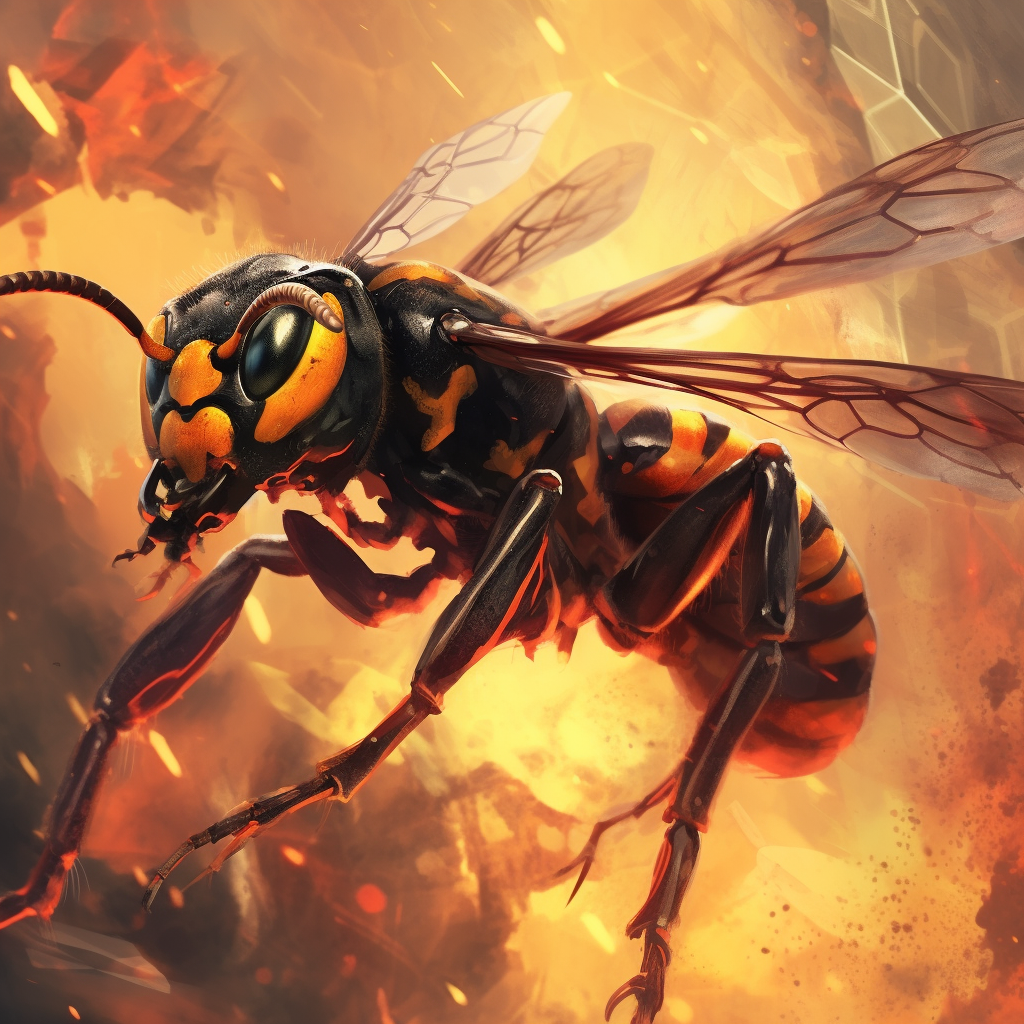
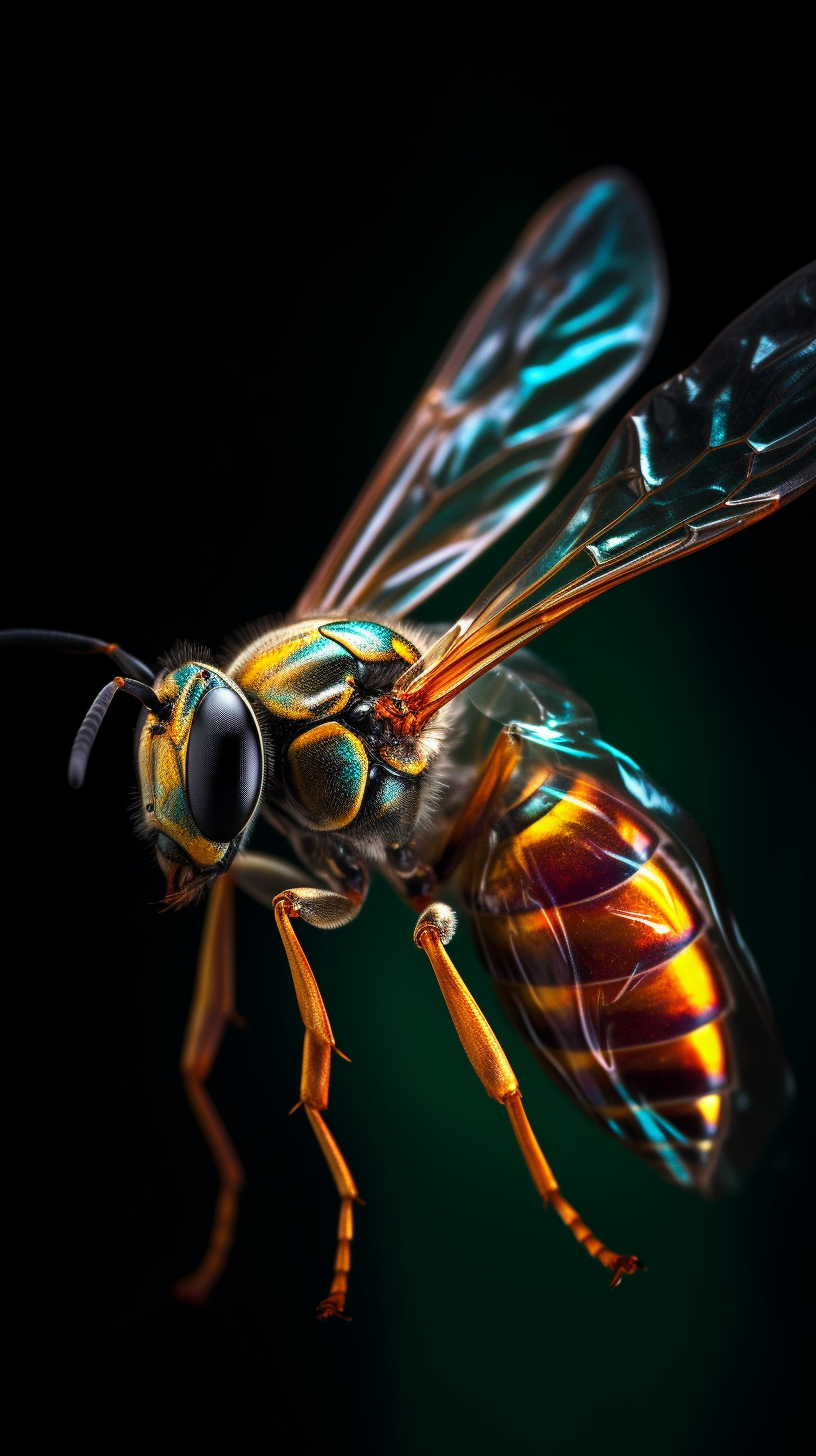
Mud daubers are sleek and slender, sporting a thin “waist” that visibly divides their thorax from their abdomen. Measuring around one inch in length, they typically appear black with a metallic sheen. Some variations may also feature blue, green, or even a slight yellow hue.
A key identifier is how they fly. Unlike hornets or yellowjackets, which tuck their legs during flight, mud daubers’ legs dangle noticeably, giving them a curious silhouette.
Their Homes: Ingenious Mud Nests
One hallmark of mud daubers is their carefully constructed nests. These cylindrical or tubular structures are made from mud collected near water sources such as ponds or streams. The nests often resemble small organ pipes, with several connected tubes, each housing individual larvae.
These insects strategically place these nests in sheltered and undisturbed locations, such as:
- Eaves and overhangs
- Barns and sheds
- Inside garages or tool sheds
- Porch ceilings
- Under decks
Fresh nests tend to appear dark and slightly wet, while older nests weather to a pale gray or dusty tan over time.
The Behavior of Mud Daubers in Oklahoma
Unlike wasp species that form colonies (such as yellow jackets or hornets), mud daubers lead solitary lives. Rather than relying on worker insects to build and defend a communal nest, each female creates her own mud structure independently. This solitary nature means they lack the protective aggressiveness commonly associated with wasps.
Males can neither sting nor defend a nest, as they lack stingers entirely. Females do have stingers, but these are primarily used for paralyzing prey, not as a tool for self-defense.
Efficient Predators of Spiders
Mud daubers are nature’s pest control specialists. Spiders make up the bulk of their diet, making them a welcome addition for anyone trying to control spider populations. Particularly in Oklahoma, where black widow spiders are a concern, mud daubers can play a beneficial role by preying on these venomous arachnids.
After catching and paralyzing spiders with their stingers, females carry the prey back to their nests. Each tubular chamber of the nest is stocked with one spider and sealed off with a single egg. This spider serves as a food source for the developing larvae.
When Mud Daubers Are Most Active
Mud daubers are most active during Oklahoma’s warmer months, typically late spring through early fall. This aligns with their nesting and hunting season. Once temperatures drop in the fall, their activity decreases significantly. Nests built during the summer may remain visible long after the wasps have moved on or perished.
Do Mud Daubers Sting?
Yes, female mud daubers are capable of stinging—but it’s uncommon. Unlike social wasps that use stinging as a defensive mechanism, mud daubers prefer to avoid human interaction altogether. Their stings are used mainly for hunting small prey, such as spiders.
Mud daubers are notably docile. You could walk past or closely observe a nest without provoking a defensive response. That said, stings can happen if:
- A wasp feels trapped or threatened, such as being accidentally brushed against.
- You deliberately interfere with an active nest.
- A female perceives handling as an immediate danger.
Fortunately, even when stings occur, they’re mild. Most individuals only experience minor irritation or swelling, making the sting far less painful than one from a yellow jacket or hornet.
Why They Are Peaceful by Nature
Several factors contribute to the mud dauber’s placid temperament:
- No Social Defense Drive: Without colonies or shared resources to protect, mud daubers have little reason to adopt aggressive behaviors.
- Target-Specific Hunting: Their stingers are adapted to paralyze prey rather than inflict pain on larger organisms.
- Low Inclination to Defend Nests: Solitary nests don’t inspire the same defensive instincts as social wasps.
How Mud Daubers Compare to Aggressive Wasps
Unlike their solitary counterparts, yellow jackets and hornets are highly territorial pests that aggressively defend their nests. Yellowjackets nest in the ground or concealed spaces, such as wall voids, and they’re infamous for their painful, repeated stings.
Hornets create large aerial nests, often located in trees or on the exteriors of buildings. Their stings cause far more pain due to their venom’s potency, and hornets can become hostile if they feel their nest is threatened.
Nest Removal
Removing a mud dauber nest is a relatively straightforward process compared to other wasp nests. Since this species isn’t aggressive, you can often remove an old or inactive nest without the threat of attack. Social wasps, however, require great caution as disturbing their nests can provoke a swarm.
Safely Managing Mud Daubers in Oklahoma Homes
If the sight of mud dauber nests makes you uncomfortable, consider actively managing your property to reduce their presence:
- Prompt Nest Removal: Use a scraping tool, such as a putty knife, to remove nests once they appear inactive during cooler evening hours.
- Seal Entry Points: Check your home for small cracks or openings where wasps might take shelter.
- Declutter Outdoor Spaces: Remove old woodpiles, unused tools, or debris where spider populations might boom, indirectly attracting mud daubers.
- Eliminate Water Sources: Mud daubers need water to build their nests—fix leaky faucets, clear puddles, and redirect standing water.
Professional Assessment and Pest Control in Oklahoma
Sometimes, Oklahoma homeowners may wish to consult pest control experts. Situations that call for professional help include:
- Persistent presence of mud daubers in high-traffic areas.
- Allergies to insect stings, even when the risks are low.
- Difficulty distinguishing between mud dauber nests and more dangerous wasps.
- Large quantities of nests indicate a broader need for pest control.
Pest management services can ensure that removal is as safe and effective as possible, while also helping to address broader pest concerns.
The Role of Mud Daubers in Oklahoma Ecosystems
While their presence on your porch might be inconvenient, mud daubers play a vital ecological role. Their predation on spiders, particularly venomous species like black widows, makes them natural allies in pest control.
If you can tolerate their presence, mud daubers are beneficial guests that help maintain a balanced ecosystem in your yard. However, if nests become bothersome or unsightly, responsible removal methods and preventative steps will help you manage their numbers without disrupting the environment.
Your Next Steps for Pest-Free Living
Mud daubers are a fascinating and relatively harmless addition to Oklahoma’s insect population. Their peaceful nature and spider-hunting habits make them a far cry from their aggressive wasp relatives. By taking simple steps to reduce nest-building opportunities and knowing when to call a professional, you can coexist with these unique wasps—or safely bid them farewell.
Get Help from Nature Guard!
Don’t let pests take control of your home! Let Nature Guard Pest & Lawn step in and provide you with top-notch pest control services you can trust. Proudly serving the local Tulsa community, we are ready to solve any pest problems you may encounter. Whether it’s in your home or office, we’re the local team you can rely upon. Contact us today or visit our website to book your appointment and ensure a pest-free environment for you and your family.