

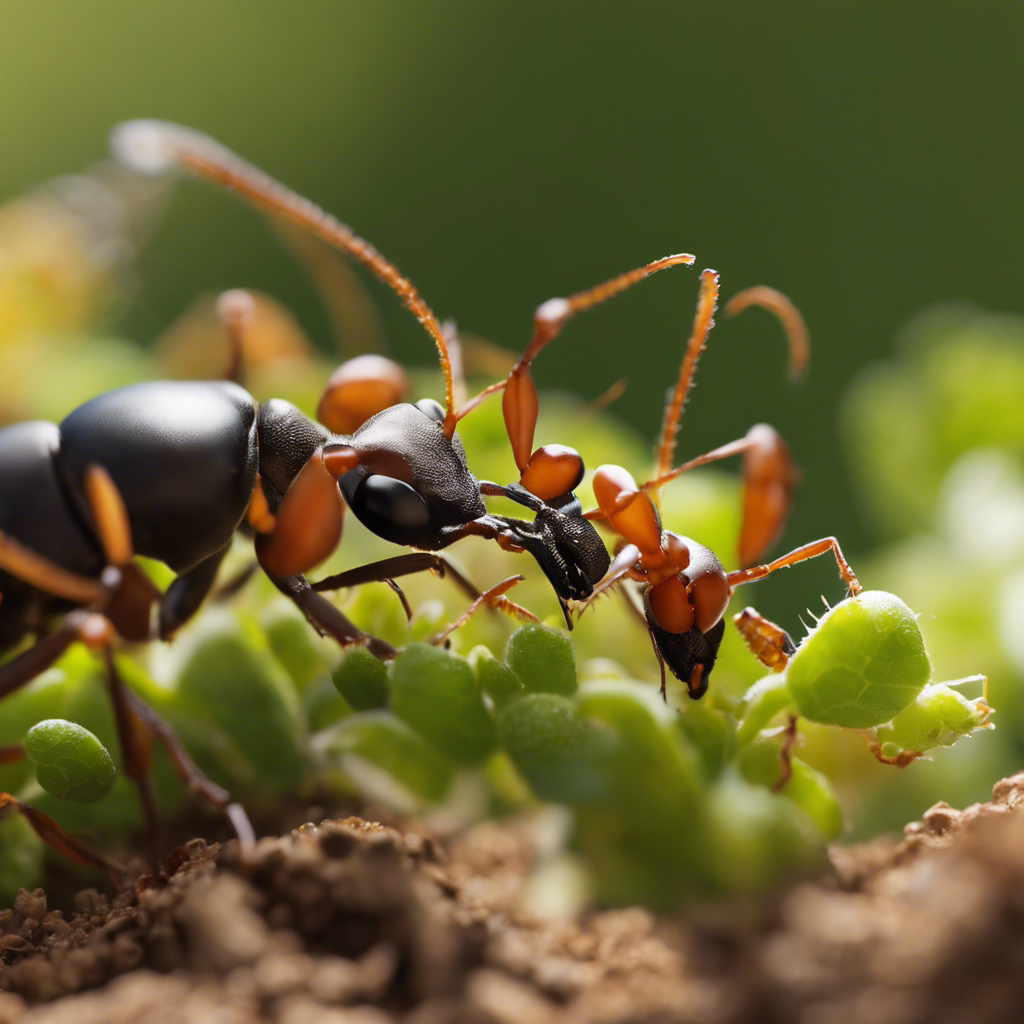
Ant Prevention Tips for Your Home
Ants can be a nuisance in any home, but there are steps you can take to prevent infestations before they begin. At Nature Guard Pest & Lawn, we work with homeowners every day to address pest activity through proactive inspections, targeted treatments, and year-round pest management plans designed for local conditions. While professional support is available when needed, many ant issues can be minimized with simple preventive steps. By taking early action, you can protect your home from these pests and avoid the time and frustration required to deal with a full infestation.
One of the most effective ways to prevent ant problems is to keep your home clean and organized. Ants are attracted to food sources, so it’s important to avoid spills and crumbs. Regularly cleaning and decluttering your home can help reduce the risk of an infestation.
In addition to keeping your home clean, it’s important to repair any leaks or moisture problems. Ants are attracted to water sources, so fixing plumbing leaks, dripping faucets, or excess humidity can make your home far less appealing.
By following these simple steps, you can take proactive measures to prevent ant infestations in your home.
Common Household Ant Species & How to Identify Them
At Nature Guard Pest & Lawn, we regularly encounter a wide range of household pests, and ants are among the most common concerns homeowners face. While prevention is the first line of defense, proper identification is important if you notice consistent ant activity inside your home. Different species behave differently, and understanding what you’re dealing with can help determine the most effective solution.
Several types of ants are commonly found in residential settings, including carpenter ants, odorous house ants, and pavement ants. Each species has distinct characteristics that make identification possible.
- Carpenter ants are larger in size and typically dark in color. Unlike other species, they nest in wood and can cause structural damage over time, making early identification especially important.
- Odorous house ants are smaller and often found in kitchens or bathrooms where food and moisture are present. They are known for the strong, unpleasant odor they release when crushed.
- Pavement ants are medium-sized and frequently nest outdoors near sidewalks, driveways, and foundations. They may move indoors when food becomes available or environmental conditions change.
By identifying the specific type of ant in your home, you can take more targeted steps to address the issue.
Keep Food Areas Clean & Sealed
Once you understand the type of ant you may be dealing with, the next step is reinforcing preventive habits that reduce attraction and block access. Preventing ants starts with removing what attracts them and blocking how they get inside. Even small crumbs or minor cracks can be enough to invite activity, so a combination of sanitation and exclusion is key.
Remove Food Sources
Ants are constantly searching for food. Keeping kitchen surfaces clean, sweeping floors regularly, and wiping up spills promptly can make a significant difference. Store pantry items in airtight containers and avoid leaving pet food out for extended periods. Taking these steps reduces the scent trails that often draw ants into your home.
Seal Gaps and Cracks
In addition to eliminating food sources, sealing potential entry points helps stop ants before they establish trails indoors. These pests can enter through tiny openings around windows, doors, foundations, pipes, and utility lines. Inspect your home for cracks or gaps and seal them with caulk or appropriate weatherproof materials.
Creating a physical barrier around your home makes it much harder for ants to gain access and establish colonies inside. When combined with good cleaning habits, sealing entry points provides a strong defense against recurring infestations.
Fix Moisture Issues & Water Sources
Moisture problems can significantly increase the likelihood of ant activity in your home. Like many pests, ants are drawn to reliable water sources, which makes plumbing leaks, dripping faucets, and areas of excess humidity especially appealing.
To help prevent ant infestations, inspect your home regularly for signs of water buildup. Check under sinks, around appliances, near water heaters, and in basements or crawl spaces for damp areas. Repair leaking pipes promptly and ensure proper drainage around your foundation to prevent standing water.
Controlling indoor humidity can also make a noticeable difference. Using dehumidifiers in damp spaces and improving ventilation in kitchens, bathrooms, and laundry areas reduces the moisture that can attract pests.
By eliminating excess water and addressing moisture concerns early, you remove one of the key conditions that allows ants to thrive indoors.
Use Natural Ant Repellents: Essential Oils & Other Options
Natural deterrents can be a helpful add-on to your prevention routine, especially when paired with cleaning, sealing entry points, and moisture control. While these methods may not eliminate a large colony on their own, they can help discourage ants from entering and reduce trail activity in common problem areas.
Essential Oils
Some homeowners use essential oils like peppermint or tea tree oil because ants tend to avoid strong scents. To try this approach, mix a few drops of oil with water in a spray bottle and apply it along baseboards, around door thresholds, near window sills, and anywhere you’ve noticed activity. Reapply as needed, especially after cleaning, since the scent fades over time.
Diatomaceous Earth and Other Low-Impact Options
Another option is diatomaceous earth, a mineral-based powder that can be applied in dry areas where ants travel, such as along cracks, under appliances, or near entry points. When used correctly, it can help reduce activity without relying on traditional sprays. It’s important to follow label instructions carefully and avoid placing it in areas where it could become airborne.
Use Naturals Strategically
Natural repellents work best as part of a broader prevention plan. If you’re still seeing consistent trails, new entry points, or activity spreading to multiple rooms, it may be a sign that the colony is established and requires a more targeted solution.
Consider Professional Pest Control to Prevent Ant Infestations
While many minor ant problems can be managed with prevention and home remedies, larger or persistent infestations often require professional expertise. If ant trails continue to reappear, nests are located inside structural areas, or DIY efforts fail to provide long-term relief, seeking assistance can save time and prevent further damage.
At Nature Guard Pest & Lawn, our technicians begin with a detailed inspection to identify entry points, nesting locations, and the specific ant species involved. We develop customized treatment plans designed to eliminate active colonies while also creating a protective barrier to help prevent future activity. Our treatments are applied with care, using products selected for both effectiveness and safety. With a 4.9-star rating on Google and over 1,600 reviews, it’s clear why so many of your neighbors trust Nature Guard Pest & Lawn for reliable pest protection.
Professional service doesn’t replace prevention; it strengthens it. By combining proper sanitation and maintenance with targeted treatments, homeowners can achieve more reliable, long-term results. Whether the issue is minor or widespread, having experienced support ensures the problem is addressed thoroughly.
Help Prevent Ant Infestations in Your Home
In addition to following the steps outlined in this post to prevent and eliminate ant infestations, it’s also important to regularly inspect your home for ants and take action if you suspect a problem. By catching an infestation early, you can take steps to quickly eliminate the problem and prevent it from spreading.
To inspect your home for ants, look for the following signs:
- Ant trails: Ants often leave trails of scent that they follow to and from their nests. Look for trails of ants or small piles of dirt or debris that may indicate their presence.
- Ant nests: Ant nests can be found in various locations, including walls, floors, and potted plants. Look for nests and take steps to eliminate them.
- Ants themselves: Look for ants in and around your home, especially in areas where they may be attracted to food or water.
Get Expert Help from Nature Guard Pest & Lawn
Ant infestations can be frustrating, but with consistent prevention and early action, they are often manageable. Keeping your home clean, addressing moisture issues, sealing entry points, and using natural deterrents are all important steps in reducing the risk of an infestation. These simple measures create an environment that is much less attractive to ants.
However, some infestations may exceed the scope of routine maintenance. If pest activity persists or spreads, seeking professional assistance can provide a more comprehensive solution. At Nature Guard Pest & Lawn, we specialize in identifying the source of the problem, implementing targeted treatments, and helping homeowners maintain long-term protection through preventive strategies. Contact our team today to schedule a consultation to receive expert assistance and help prevent ant infestations.