
The presence of pests in residential structures can pose significant threats, causing damage to the integrity of a house and potentially impacting the overall well-being of its occupants. Identifying the most damaging pest is crucial in order to effectively address and mitigate these risks.
This article aims to objectively examine various pests commonly found in houses and assess their potential for destruction. By exploring the characteristics and behaviors of pests such as termites, rodents, carpenter ants, bed bugs, moths, cockroaches, and wood-boring beetles, we can gain insights into their ability to undermine the structural integrity, spread disease, and cause destruction.
Understanding the potential harm caused by these pests can empower homeowners to take appropriate preventive measures and seek professional assistance when necessary. By serving as a resource for those seeking information on the most damaging house pests, this article aims to assist homeowners in protecting their properties and promoting a safe living environment.
Key Takeaways
- Termites, rodents, carpenter ants, and wood-boring beetles are the most damaging pests to a house.
- These pests can cause extensive damage to the structural integrity of a house, including wood damage, electrical hazards, and costly repairs.
- Regular inspections by professionals and early detection are crucial in preventing and mitigating the damage caused by these pests.
- Implementing preventive measures such as reducing moisture levels, removing wooden debris, sealing cracks, and using termite-resistant materials can help protect the longevity of a property.
Termites: The Silent Destroyers
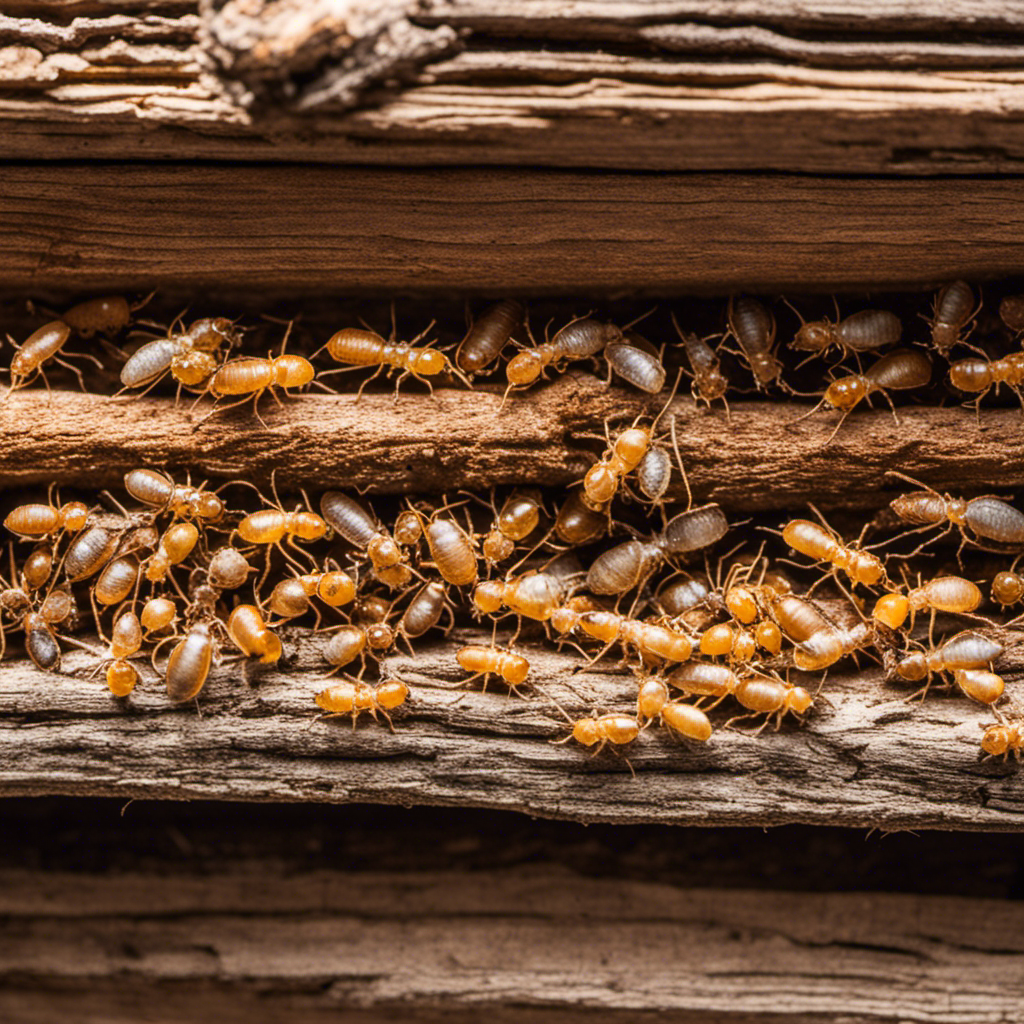
Termites, known as the silent destroyers, pose a significant threat to the structural integrity of houses. These wood-destroying insects are capable of causing extensive damage, often going unnoticed until it is too late.
Termite prevention is crucial in safeguarding homes from their destructive nature. Regular inspections by professionals can help identify signs of termite infestation, such as hollow-sounding wood, discarded wings, and mud tubes. Prompt action must be taken upon detection to prevent further damage.
Implementing preventive measures, such as reducing moisture levels, removing wooden debris near the house, and maintaining proper ventilation, can discourage termite infestation. Additionally, treating the soil around the house with termiticides and using termite-resistant building materials can provide long-term protection against these relentless pests.
By being vigilant and proactive, homeowners can minimize the risk of termite damage and ensure the longevity of their property.
Rodents: A Small Problem with Big Consequences
Rodents pose a significant threat due to their ability to cause extensive damage to residential structures. These small creatures, including rats and mice, have a tendency to chew on various materials, such as wood, wires, and insulation, leading to potential structural issues and electrical hazards.
Rodents can also contaminate food and spread diseases, making their presence a health concern for homeowners. To prevent rodent infestation, it is crucial to keep the house clean and free of clutter, as these pests are attracted to food and shelter.
Sealing any cracks or openings in walls, foundation, and windows can also prevent rodents from entering the house. Additionally, regular inspections for signs of rodent activity, such as droppings, gnaw marks, or strange noises, can help identify and address infestations promptly, minimizing potential damage.
Carpenter Ants: Undermining the Structural Integrity
Carpenter ants, a common household insect, can undermine the structural integrity of a building through their ability to excavate wood to create nests, potentially leading to costly repairs if left unchecked.
These ants are attracted to moist, decaying wood, making homes with water damage or leaks particularly vulnerable to infestation.
Signs of a carpenter ant infestation include the presence of winged ants, piles of sawdust-like debris called frass, and rustling sounds coming from within walls.
To prevent carpenter ant infestations, it is important to address any moisture issues in the home, such as repairing leaks and improving ventilation.
Additionally, regular inspection and maintenance of the property can help identify and address potential infestation sites before they become a major problem.
By understanding the causes and signs of carpenter ant infestations, homeowners can take proactive measures to protect their homes from these destructive pests.
Bed Bugs: Not Just a Nightmare for Your Sleep
Bed bug infestations can have a significant impact on both the physical and mental well-being of individuals in a residential setting. These pests are not just a nightmare for your sleep; they can cause a range of health problems and psychological distress.
Prevention is crucial to avoid these issues. Regularly inspecting and cleaning bedding, furniture, and clothing can help identify early signs of infestation. Additionally, sealing any cracks or gaps in walls and floors can prevent bed bugs from entering the premises.
It is also essential to educate oneself about identifying bed bug bites, as early detection can help mitigate the spread of infestation. By taking proactive measures and staying vigilant, individuals can protect their homes and ensure a safe and healthy living environment.
Moths: A Threat to Your Clothes and Furniture
Moths can pose a significant threat to clothing and furniture, causing damage that can be costly and difficult to repair. Prevention is key in avoiding moth damage to your belongings.
To prevent moth infestations, it is important to regularly clean and vacuum your home, paying special attention to areas where moths are likely to lay their eggs, such as carpets, rugs, and upholstery.
Additionally, storing clothing and fabrics in sealed containers or garment bags can help protect them from moth damage.
It is also crucial to identify moth infestations early on to prevent further damage. Signs of a moth infestation include the presence of adult moths, larvae, and small holes in clothing or furniture.
If you suspect a moth infestation, it is best to consult with a pest control professional for proper identification and treatment.
Cockroaches: Spreading Disease and Destruction
Cockroaches, known for their resilience and adaptability, are not only carriers of disease but also capable of causing destruction in various environments.
Cockroach infestations pose significant health hazards that can affect both individuals and communities. These pests are known to spread a variety of diseases, including salmonella, E. coli, and gastroenteritis.
Additionally, cockroach droppings and shed skin can trigger allergic reactions and asthma attacks, especially in children and individuals with compromised immune systems.
The destruction caused by cockroaches is not limited to their impact on human health. They can damage electrical wiring, leading to potential fire hazards, and contaminate food sources, resulting in financial losses for businesses and individuals.
It is crucial to promptly address and eradicate cockroach infestations to prevent the spread of disease and mitigate the potential destruction they can cause.
Wood-Boring Beetles: Hidden Threats to Your Home’s Foundation
Wood-boring beetles have emerged as a concealed menace to the foundation of your house. These insidious pests can wreak havoc on the structural integrity of your home, making it imperative to be knowledgeable about their signs, prevention, damage assessment, and treatment.
Identification of wood-boring beetles can be a challenging task, as they often remain hidden within the wooden structures. However, certain indicators like small holes, sawdust-like frass, and weakened wood can help identify their presence.
To prevent infestation, it is essential to keep the moisture content of wood low, apply protective finishes, and seal any cracks or gaps.
Conducting regular assessments by professionals can aid in detecting and evaluating the extent of damage caused by these beetles.
Effective treatment methods, such as fumigation or localized chemical treatments, can then be employed to eradicate the infestation and preserve the integrity of your home’s foundation.
Frequently Asked Questions
How can I prevent termites from infesting my home?
To prevent termites from infesting a home, various preventive measures and termite control methods can be implemented. These include regular inspections, keeping the house dry, removing wood debris, using termite-resistant materials, and employing chemical treatments if necessary.
What are some signs of a rodent infestation in a house?
Signs of a rodent infestation in a house include droppings, gnaw marks, chewed wires, and nests. To prevent termite infestation, maintain proper ventilation, eliminate wood-to-ground contact, and conduct regular inspections for early detection.
Are carpenter ants harmful to humans?
Carpenter ants in houses can cause structural damage but pose limited health risks to humans. While they do not transmit diseases, their bites can be painful and lead to allergic reactions in some individuals.
How do bed bugs enter a home in the first place?
Bed bugs can enter a home through various common entry points such as luggage, furniture, and clothing. To prevent bed bug infestations, it is important to inspect and thoroughly clean these items before bringing them into the home.
What are some effective methods for getting rid of cockroaches in a house?
Effective methods for eliminating a cockroach infestation in a house include using insecticides, bait traps, and sealing entry points. Maintaining cleanliness, removing food sources, and hiring professional exterminators can also help eradicate these pests successfully.