
As you navigate the world of pest control in 2024, envision a landscape where technology seamlessly merges with environmental preservation. Picture a world where pests are managed with surgical precision, and solutions are tailored to ecological harmony. The innovative pest control technologies of tomorrow beckon a future where sustainability and effectiveness converge. Explore the possibilities that lie ahead in this evolving domain of pest management, where ingenuity and nature intertwine to shape a greener, more efficient landscape.
Key Takeaways
- Integration of AI for precise pest management strategies.
- Utilization of natural predators for sustainable control.
- Implementation of microbial agents for targeted pest control.
- Adoption of pheromonal techniques to disrupt insect populations.
- Advancement in remote monitoring and drone-assisted insecticide application.
IoT Smart Traps and Monitoring Systems
Utilizing sensors and internet connectivity, IoT smart traps and monitoring systems automate pest tracking and identification in a cost-effective and efficient manner. These innovative systems leverage the Internet of Things (IoT) technology to enhance pest control measures. By incorporating sensors into traps, these devices can accurately detect and monitor pest activity. The integration of internet connectivity allows for real-time data transmission and analysis, enabling timely responses to pest infestations.
IoT smart traps and monitoring systems play an important role in reducing costs associated with traditional pest control methods. By minimizing the need for frequent manual inspections and treatments, these systems offer a more targeted approach to pest management. This targeted treatment strategy not only saves money but also results in a significant decrease in chemical pesticide use. The efficiency of these systems in detecting and tracking pests leads to more effective pest control interventions, ultimately contributing to a sustainable and environmentally friendly approach to pest management.
Biological Pest Control Methods
When considering biological pest control methods, the focus lies on harnessing natural predators for pest management and utilizing microbial agents to combat pests effectively. These methods offer a sustainable approach by reducing reliance on synthetic pesticides and promoting ecological balance.
Beneficial nematodes and Trichoderma fungus are examples of living organisms used in biological pest control, showcasing the potential of these techniques for pest management in 2024.
Natural Predators for Pest Control
Natural predators such as ladybugs, lacewings, and parasitic wasps play a crucial role in biological pest control methods by effectively managing pest populations without the need for chemical pesticides. These beneficial insects prey on common pests like aphids, mites, and caterpillars, helping to naturally control their populations.
By implementing biological control strategies that leverage these natural enemies, the ecosystem’s balance is maintained through the promotion of predator-prey relationships. Introducing predatory beetles into gardens and agricultural fields can further enhance pest management efforts. This approach not only reduces reliance on harmful chemicals but also offers sustainable and environmentally friendly solutions for pest control.
Embracing the use of natural predators is a key aspect of biological control methods in modern pest management practices.
Microbial Pest Management
Integrating microbial agents into pest management strategies offers targeted and environmentally friendly solutions for controlling pests effectively. Here are four key points to take into account:
- Microbial pest management utilizes natural living organisms, such as bacteria and fungi, to combat pests without harming beneficial insects.
- These biological control agents are specific to certain pests, reducing the need for broad-spectrum chemical pesticides.
- By using microbial agents like Bacillus thuringiensis (Bt) and fungal pathogens, sustainable pest control practices are promoted within integrated pest management (IPM) strategies.
- Ongoing research aims to discover new microbial agents and innovative application techniques to enhance the efficacy of pest management while minimizing environmental impact.
Pheromonal Pest Control Techniques
Utilizing pheromonal pest control techniques can effectively manage insect populations by mimicking their natural communication signals. Integrated Pest Management (IPM) strategies often incorporate pheromones to disrupt mating patterns, monitor pest populations, or lure insects into traps for containment. Smart traps, equipped with pheromone attractants, are a key application of this approach, offering targeted control without widespread environmental impact.
Pheromone-based pest control methods are versatile, suitable for various pest species and developmental stages. By specifically targeting pests like moths, mosquitoes, and cockroaches, these techniques provide a safe and efficient alternative to traditional chemical pesticides. Moreover, the use of pheromones poses minimal risk to non-target beneficial insects, promoting a more balanced ecosystem.
In contrast to broad-spectrum chemical treatments, pheromonal pest control techniques contribute to sustainable pest management practices. They enable pest control without the extensive use of harmful chemicals, aligning with eco-friendly principles and reducing environmental repercussions. By harnessing insect communication signals, pheromonal techniques offer a precise and environmentally conscious approach to pest control.
Receptor Interference Strategies
Implementing receptor interference strategies in pest control involves disrupting insects’ ability to detect chemical messengers, thereby impeding their communication and mating behaviors effectively. These strategies are at the forefront of environmentally friendly pest control technologies, offering precise and targeted solutions.
Here are four key points to take into account:
- Targeted Approach: Receptor interference technologies specifically aim at disrupting pest communication pathways, minimizing harm to beneficial insects and other non-target organisms.
- Reduced Environmental Impact: By steering clear of synthetic pesticides, receptor interference strategies contribute to sustainable pest management practices, reducing the ecological footprint of pest control efforts.
- Promising Development: This innovative technology is currently in the developmental phase, showing significant potential for revolutionizing pest management practices in the near future.
- Eco-Friendly Precision: Receptor interference strategies provide a more eco-friendly and precise method of pest control, ensuring effective pest management while preserving the environment.
The Sterile Insect Technique (SIT)
The Sterile Insect Technique (SIT) employs sterilized male insects to manage pest populations efficiently. This method is highly targeted, minimizing impacts on non-target species.
SIT Process Overview
Employing the Sterile Insect Technique (SIT) involves releasing sterilized male insects to effectively manage pest populations while maintaining environmental balance and avoiding harm to non-target organisms.
Here are some key emotional points related to the SIT process:
- Hope: SIT offers a promising solution for controlling pest populations effectively.
- Safety: SIT specifically targets pests, ensuring the safety of other organisms and the environment.
- Innovation: The disruptive nature of SIT on pest reproduction cycles showcases innovative pest control strategies.
- Sustainability: SIT provides a sustainable approach to pest management, offering long-term benefits without harming non-target species.
SIT Effectiveness Analysis
To evaluate the effectiveness of the Sterile Insect Technique (SIT) in pest population control, thorough efficacy analysis studies have been conducted. The SIT method, within the domain of Integrated Pest Management (IPM), involves releasing sterilized male insects to suppress pest populations effectively.
This technique is highly targeted, focusing on specific pest species, which helps prevent resistance issues that can arise with broad-spectrum pesticides. SIT has proven to be environmentally friendly, as it doesn’t harm non-target organisms or beneficial insects. Its ability to be utilized across multiple seasons underscores its sustainability in pest control strategies.
With its precise targeting and efficient disruption of pest reproduction, SIT stands out as a promising technology for achieving effective and long-term pest management solutions.
AI Applications in Pest Control
AI’s applications in pest control demonstrate unparalleled accuracy, efficiency, and cost reduction benefits.
- Precision: AI technologies enable precise pest identification and targeted treatment strategies, minimizing collateral damage to beneficial insects.
- Sustainability: By promoting environmentally friendly solutions, AI aids in reducing the overall environmental impact of pest control practices.
- Innovation: The integration of AI in pest control fosters the development of novel technologies for improved pest detection and management.
- Efficiency: AI streamlines pest control processes by automating tasks such as monitoring and data analysis, leading to quicker response times and more effective outcomes.
These advancements not only enhance pest control effectiveness but also contribute to a more sustainable and eco-friendly approach to managing pest populations. By harnessing the power of AI, the future of pest control is poised to be more targeted, efficient, and environmentally conscious.
Integrated Pest Management (IPM) Practices
Utilizing a holistic approach, Integrated Pest Management (IPM) practices integrate various tools to achieve sustainable and effective pest control. By combining biological, cultural, physical, and chemical methods, IPM aims to minimize economic, health, and environmental risks associated with pest management practices.
Customized IPM plans are essential, tailored to specific pest infestations and environmental conditions. These plans involve setting action thresholds, monitoring pest populations, and prioritizing non-chemical control measures. The pivotal pest monitoring characteristic of IPM allows for early detection and intervention, reducing the need for extensive chemical treatments.
Evaluating and adjusting the IPM plan is vital for ensuring its effectiveness and long-term sustainability. Emphasizing prevention and long-term solutions, IPM stands as a thorough approach to pest management that not only addresses current infestations but also focuses on preventing future occurrences through a strategic and well-informed methodology.
Remote Monitoring Solutions
Remote monitoring solutions in pest control leverage real-time data alerts and wireless sensor networks to enhance surveillance capabilities. These technologies offer continuous monitoring of pest behavior and environmental factors, providing valuable insights for targeted interventions.
Integrated with AI algorithms, remote monitoring systems enable proactive pest management strategies, improving response times and resource efficiency.
Real-Time Data Alerts
Real-time data alerts play a pivotal role in modern pest management strategies, offering instant notifications on pest activity through advanced remote monitoring solutions. These alerts help in proactive pest management by alerting users to potential infestations or threats. Remote monitoring systems utilize sensors and IoT technology to capture and transmit data for analysis. Users can access real-time data on pest behavior, trends, and potential risks through these solutions. Quick response to alerts allows for targeted treatments, reducing the need for widespread chemical pesticide use.
- Stay ahead of pest problems with real-time alerts.
- Proactively manage pest threats with remote monitoring solutions.
- Access instant data on pest behavior, trends, and risks.
- Minimize chemical pesticide usage through targeted treatments.
Wireless Sensor Networks
Stay informed of pest activity and environmental conditions through wireless sensor networks. These networks enable real-time monitoring and data collection for informed pest management decisions.
Wireless sensor networks utilize sensors to detect pests and monitor environmental parameters essential for pest control strategies. These remote monitoring solutions offer valuable insights into pest populations and trends, aiding in the development of targeted control measures.
Targeted Insecticide Application With Drones
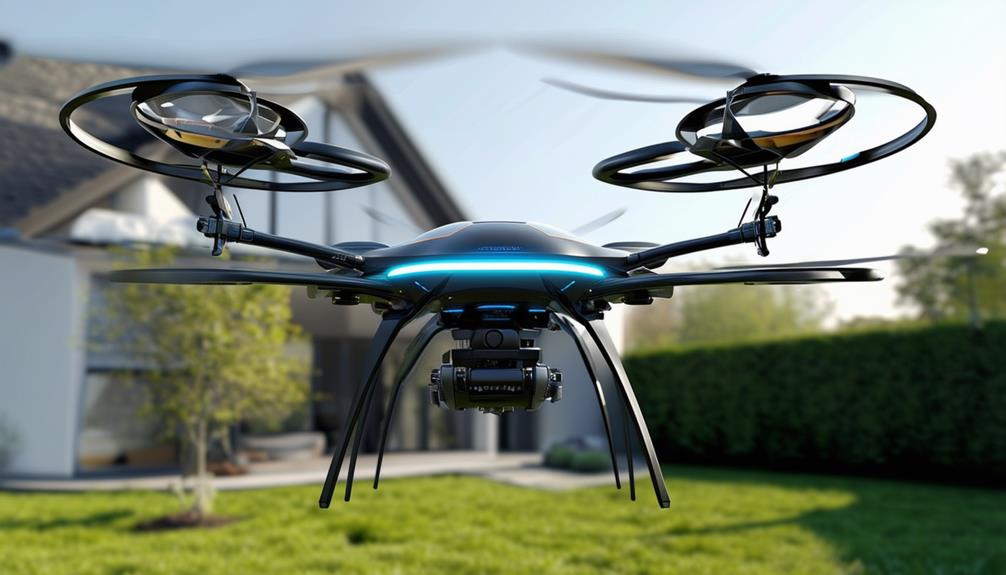
Incorporating drones for targeted insecticide application greatly enhances precision and efficiency in pest control operations. Drones enable precise spraying in hard-to-reach areas of pest-infested locations, ensuring thorough coverage for effective pest management. This technology reduces chemical use, minimizing environmental impact and promoting sustainable pest control practices.
The increased efficiency achieved through drone technology enhances overall pest management strategies, leading to more effective pest control outcomes. Additionally, remote-controlled drones offer real-time monitoring and application, enabling quick responses to pest infestations for timely intervention.
Intelligent Object Detection Models
Enhancing pest control precision and efficiency, the integration of intelligent object detection models utilizing AI technology revolutionizes the identification and monitoring of pests in the field. By harnessing AI, these models can accurately identify pests in images, aiding in efficient detection and monitoring processes. Front-line technicians benefit from promptly viewing images and taking necessary actions. The advanced object-detection technology greatly enhances the precision of pest identification, leading to more effective pest control strategies.
The synergy between AI and camera technology is at the core of this innovation, enabling real-time pest recognition and response. This integration empowers pest control professionals to make informed decisions swiftly, optimizing their interventions. Through the continuous evolution and refinement of these intelligent object detection models, the future of pest control looks promising, with more targeted and effective solutions on the horizon.
Ultimately, the utilization of AI and camera technology in pest control practices marks a significant advancement in the industry, promising enhanced outcomes and streamlined processes.
Frequently Asked Questions
What Is the New Technology for Pest Control?
For the latest in pest control, consider smart traps and ultrasonic devices. They offer advanced solutions for monitoring and deterring pests effectively. Embrace these technologies for a smarter, more efficient approach to pest management.
What Is the Future of Pest Control?
In the future of pest control, smart solutions and sustainable practices are key. Integrating IoT, AI, and non-chemical methods like receptor interference and SIT will revolutionize how pests are managed, promoting eco-friendly and effective strategies.
What Is the New Technology in Pesticides?
When looking at new technologies in pesticides, you’ll find innovative approaches like smart sensors for precise pest detection and robotic applications for targeted treatments. These advancements aim to reduce environmental impact while enhancing efficiency.
What Are the Trends in Pest Management?
In pest management trends, you’ll find eco-friendly solutions like biological control methods. Integrated pest management emphasizes sustainability. Utilize digital monitoring with remote sensors for accurate detection. These advancements are essential for effective pest control strategies.