

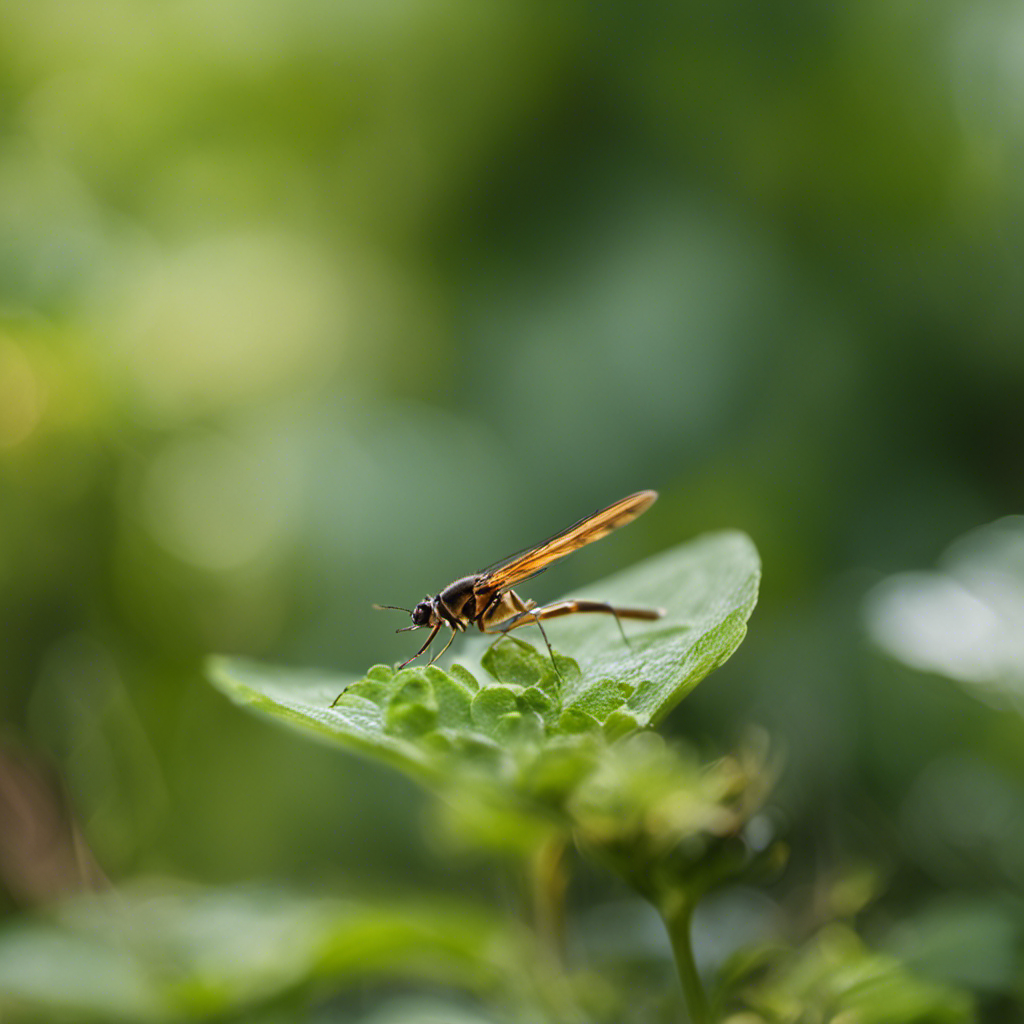
In the quest for safer alternatives to chemical bug repellents, natural options have gained popularity. However, the effectiveness of these natural solutions remains a topic of debate.
This article offers an in-depth analysis of the best natural bug repellents, focusing on their effectiveness and safety. Designed for readers looking to make well-informed decisions, it provides scientifically backed insights into the world of natural pest deterrents. For additional questions, feel free to reach out to Nature Guard Pest & Lawn.
Key Takeaways
- Natural bug repellents contain ingredients like citronella, lemongrass, and eucalyptus oils that mask the human scent, which attracts bugs.
- Chemical repellents have synthetic active ingredients that provide immediate and extended protection, but they can have potential hazards to human health and adverse environmental impact.
- Natural bug repellents, derived from plant extracts, offer a safer alternative with less environmental footprint, although they may require more frequent application.
- The effectiveness of natural bug repellents can vary and can be influenced by factors such as application technique, frequency of use, and the targeted insect.
Understanding Bug Repellents
The consumer’s comprehension of bug repellents is pivotal in the evaluation of their efficiency, particularly in the realm of natural options. Understanding the fundamental dynamics between Repellent Ingredients and Bug Attractants is critical.
Most natural repellents contain ingredients such as citronella, lemongrass, and eucalyptus oils. These substances work by masking the human scent, which is a primary attractant for bugs. Conversely, bugs are drawn to certain elements like lactic acid and carbon dioxide, emitted by humans.
A detailed scientific analysis of these ingredients and attractants can assist in designing more effective natural repellents. This knowledge not only benefits the end consumer but also equips those serving others with a broader understanding of natural repellent efficacy.
Chemical Vs Natural Repellents
In light of the aforementioned information about natural repellents, a comparative analysis of chemical and natural bug repellents becomes crucial to fully grasp their respective strengths and drawbacks in bug deterrence.
Chemical repellents often contain potent, synthetic active ingredients, providing immediate and extended protection against a broad spectrum of insects. However, ingredient analysis reveals potential hazards to human health and adverse environmental impact due to bioaccumulation and non-biodegradability.
Conversely, natural repellents, derived mainly from plant extracts, offer a safer alternative with less environmental footprint. Though they may require more frequent application, their eco-friendly nature and minimal toxicity make them a viable option for those committed to serving others while maintaining ecological balance.
Top Five Natural Bug Repellents
Transitioning from the comparison between chemical and natural repellents, delving into the top five natural bug repellents becomes our next focus.
Firstly, Oil of Lemon Eucalyptus (OLE) is a powerful ingredient extracted from the leaves of the Corymbia citriodora tree.
Secondly, Catnip oil, a member of the mint family, has demonstrated superior repellency than DEET.
Thirdly, Citronella, a popular component in many DIY repellent recipes, is a proven mosquito deterrent.
Fourthly, Neem oil, derived from the Neem tree, shows promise in repelling various pests.
Lastly, Garlic oil has also shown significant repellent properties.
The Repellent Ingredients Breakdown explains the efficacy of these substances.
These ingredients can be combined in various ways, as described in DIY Repellent Recipes, to serve a multi-purpose protective role against bugs.
Effectiveness of Natural Repellents
Having examined the top five natural bug repellents, we now turn our attention to assessing the effectiveness of these natural alternatives in warding off pests.
Scientific studies have shown that these repellents can be effective to varying degrees. However, their potency is often influenced by factors such as application technique, frequency of use, and the specific type of insect targeted.
It’s important that users are aware of potential Repellent Allergy Symptoms, which can range from mild skin irritation to more severe reactions.
Homemade Repellent Recipes offer an economical and customizable option, allowing individuals to adjust ingredients to suit their needs and preferences.
While these natural solutions may not always match the potency of synthetic options, they do provide a viable alternative for those seeking a more environmentally friendly approach.
Safety Concerns and Precautions
Despite their natural composition, it’s imperative to exercise caution and heed certain precautions when using these bug repellents. Adverse reactions can occur, even with natural ingredients.
Essential oils, for example, are concentrated plant extracts that can cause skin irritation or allergic sensitivities in some individuals. This underlines the necessity for patch testing any new product.
Furthermore, the concentration of active ingredients, mode of application, and frequency of use are all factors that can contribute to the safety profile of bug repellents. Over-application or misuse can lead to unintended side effects. Therefore, always read product instructions and consult healthcare professionals if needed.
Serving others involves ensuring their safety, so taking these precautions is essential.
Contact Nature Guard Pest & Lawn Today!
Don’t let pests take control of your home! Let Nature Guard Pest & Lawn step in and provide you with top-notch pest control services you can trust. Proudly serving the local Tulsa community, we are ready to solve any pest problems you may encounter. Whether it’s in your home or office, we’re the local team you can rely upon. Contact us today or visit our website to book your appointment and ensure a pest-free environment for you and your family.