

Are you dealing with a pest problem but unsure of what type of pest it is? Learning how to identify pest activity correctly is crucial in determining the most effective course of action for control and prevention. At Nature Guard Pest & Lawn, we often find that accurate identification is the first and most important step in solving a pest issue efficiently. Different pests require different treatment strategies, and understanding what you’re dealing with can prevent wasted time, ineffective solutions, and unnecessary stress.
In this article, we will walk through practical ways to identify pest activity in your home. From examining the physical characteristics of pest species and behavior to recognizing signs of infestation and damage patterns, our goal is to help you narrow down the culprit and make informed decisions about next steps.
Key Takeaways
- Physical traits such as size, shape, wings, and antennae can help distinguish insects from rodents or wildlife.
- Behavior patterns, including when and where activity is found, provide strong identification clues.
- Signs like droppings, nesting materials, and damage patterns help confirm the type of pest present.
- When identification is unclear, professional inspection ensures accurate diagnosis and effective treatment.
Physical Characteristics
The first step in learning how to identify pest problems is observing the physical characteristics of pest activity. Even small details can help narrow down what you’re dealing with.
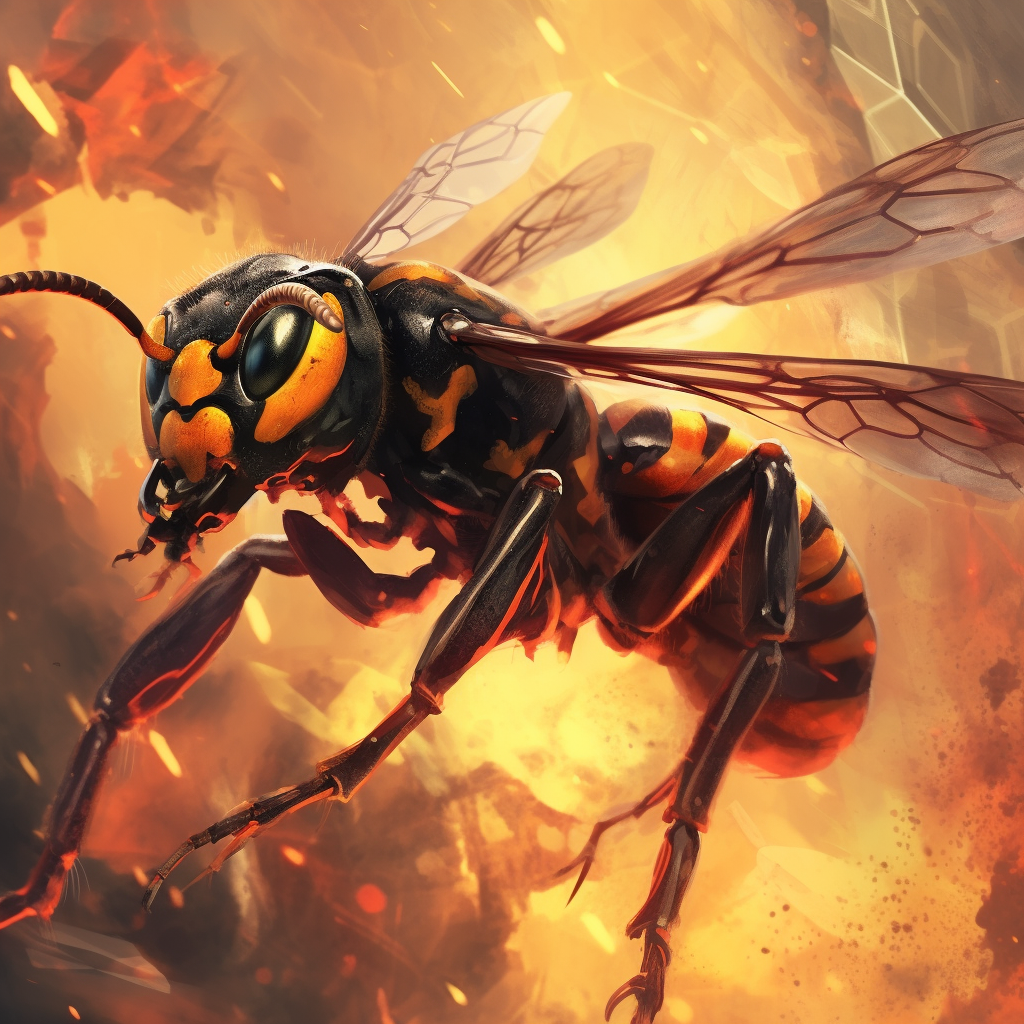
Start by noting the size and shape. Is it small like a grain of rice (such as certain ants or termites)? Is it larger with visible wings (like a wasp)? Rodents will obviously differ greatly from insects in body structure and movement.
Next, look at color and markings. For example:
- Termites are typically pale and soft-bodied.
- Carpenter ants are larger and darker.
- Cockroaches are oval-shaped with long antennae.
- Bed bugs are small, flat, and reddish-brown.
These visible traits are important characteristics of pest species that help narrow identification.
Also observe wings and antennae. Flying insects may indicate reproductive swarmers (such as termites or ants). The shape of antennae can distinguish ants from termites, as ants have bent antennae while termites have straight ones.
Taking a clear photo can help you compare the characteristics of pest activity or share the image with a professional for confirmation.
Behavior & Habits
Where and when you see a pest can be just as important as what it looks like. Behavior often helps identify pest patterns that physical traits alone may not confirm.
Ask yourself:
-
Is their activity at night or during the day?
-
Is it near food, water, or wood?
-
Does it appear alone or in groups?
For example:
-
Cockroaches are typically nocturnal and hide in dark, moist areas.
-
Ants often follow visible trails to food sources.
-
Termites may remain hidden inside walls but leave mud tubes behind.
-
Rodents are often heard at night scratching in walls or ceilings.
Environmental conditions also matter. High humidity may attract silverfish or termites, while open food containers attract ants and pantry pests.
When combined with the physical characteristics of pest species, these behavior patterns significantly improve identification accuracy.
Signs of An Infestation
Often, you won’t see the pest itself… but you will see evidence. Recognizing these clues can help you identify pest presence early.
Common signs include:
-
Droppings: Small pellets, smears, or powder-like residue.
-
Gnaw marks: Common with rodents.
-
Shed skins or wings: Frequently associated with cockroaches or termites.
-
Grease marks: Rodents often leave oily rub marks along walls.
-
Unusual odors: Musty smells may indicate cockroaches or rodents.
You may also notice increased activity in specific areas such as kitchens, basements, attics, or crawl spaces.
Identifying these signs early can prevent larger infestations and more costly damage.
Droppings & Damage
Droppings are one of the most reliable identification clues and often reveal important characteristics of pest activity.
-
Rodent droppings are dark, pellet-shaped, and often found near food or along baseboards.
-
Cockroach droppings resemble coffee grounds or black pepper.
-
Termite frass looks like small piles of sawdust or sand near wooden structures.
Damage patterns also vary:
-
Chewed wires or furniture suggest rodents.
-
Hollow-sounding wood may indicate termites.
-
Small bite marks on bedding may signal bed bugs.
-
Holes in drywall or insulation could point to wildlife intrusion.
Matching the type of damage to known pest behaviors helps you identify pest activity more confidently before deciding on treatment.
When to Seek Professional Help
While many homeowners can gather useful clues about a pest problem, there are times when professional identification becomes essential. Some pests look nearly identical but require completely different treatment approaches. Misidentifying the issue can lead to wasted time, ineffective products, and a growing infestation.
For example, flying ants are often mistaken for termite swarmers, yet termite activity requires a far more aggressive structural response. Bed bug bites are frequently confused with mosquito or flea bites, which can delay proper treatment. Even different rodent species may require distinct trapping and exclusion strategies.
If pest activity continues despite DIY efforts, if damage appears to be spreading, or if you are unsure of the pest type, a professional inspection is the safest next step. Pest control specialists evaluate entry points, nesting sites, moisture conditions, and activity patterns to confirm the exact species involved.
At Nature Guard Pest & Lawn, our inspections focus not only on identifying pests but also on analyzing the characteristics of their current activity that may not be obvious to homeowners. This ensures treatment is targeted, efficient, and designed to reduce the likelihood of future infestations.
Frequently Asked Questions
What Are the Common Diseases That Pests Can Transmit to Humans?
Different pests carry different health risks. Rodents can spread Hantavirus and Salmonella. Mosquitoes may transmit West Nile virus. Ticks can carry Lyme disease. Cockroaches can trigger allergies and asthma. Proper identification ensures the appropriate health risks are addressed quickly. Visit our blog, Top 10 Pest Problems in Tulsa, for more information about common pests.
How Can One Prevent Pests From Entering Their Home in the First Place?
Prevention begins with sealing cracks, eliminating food and water sources, maintaining landscaping, and storing food properly. Routine inspections and prompt repairs also reduce vulnerability to infestations.
Are There Any Natural Remedies or DIY Pest Control Methods That Can Be Effective?
Some minor issues may respond to DIY solutions like traps or sealing entry points. However, natural remedies often provide temporary relief and may not address the root of the infestation. Proper identification is critical before choosing any method.
Can Pests Cause Structural Damage to a Property, and if So, How Can One Identify and Address It?
Yes. Termites can weaken wooden structures, rodents can chew wiring, and wildlife can damage insulation. Signs include hollow wood, gnawed materials, and droppings in hidden areas. Professional inspection helps determine the extent of damage and necessary repairs.
What Are Some Lesser-Known or Unusual Pests That Homeowners Might Encounter?
In addition to common pests like ants and rodents, homeowners may encounter silverfish, pantry moths, centipedes, or even wildlife species, depending on location. Accurate identification prevents unnecessary treatments and ensures the correct solution is applied.
Contact Nature Guard Pest & Lawn Today!
Accurately identifying the type of pest you are dealing with is the foundation of effective control. By examining physical characteristics, understanding behavior patterns, recognizing signs of infestation, and assessing droppings or structural damage, you can narrow down the potential culprit and take more targeted action. Early identification not only prevents unnecessary damage but also helps you choose the right prevention and treatment strategies from the start.
However, these issues can sometimes be more complex than they appear. If you’re unsure about what you’re seeing or need help developing a long-term solution, the team at Nature Guard is here to help. We provide thorough inspections, accurate identification, and customized treatment plans designed to eliminate the problem and prevent recurrence. With a 4.9-star rating on Google and over 1,600 reviews, it’s clear why so many of your neighbors trust Nature Guard for reliable protection.
Contact us today to schedule a consultation and keep your space pest-free.