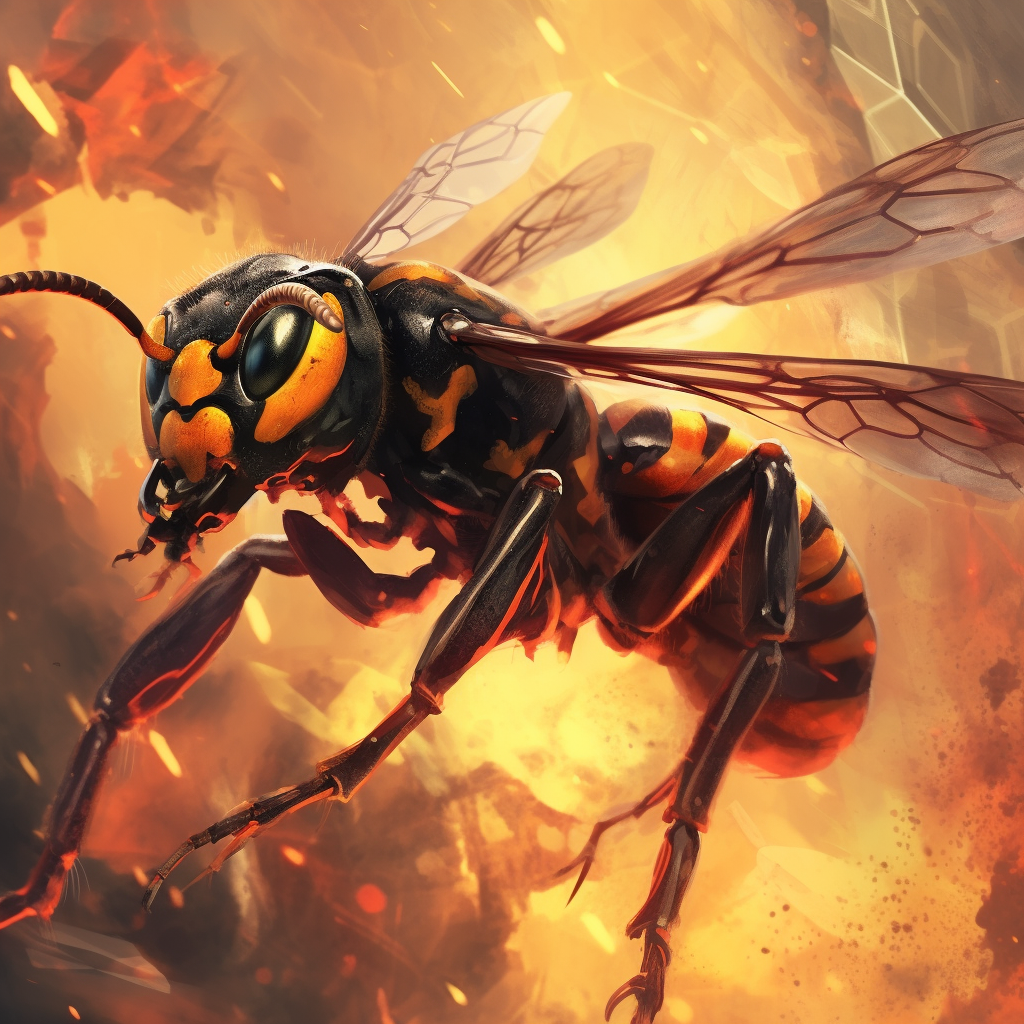


Indoor pest control is essential for maintaining a clean, healthy home. Because pests can spread bacteria and trigger health issues, taking proactive steps to prevent infestations is key. For homeowners who want reliable results, professional services like Nature Guard Pest & Lawn can help ensure treatments are applied effectively and long-term issues are addressed.
Proper preparation plays a major role in the success of any indoor pest control treatment. This includes reducing clutter, thoroughly cleaning treated areas, sealing entry points, and storing food correctly to eliminate attractants. Following professional guidance also helps maximize results and prevent future infestations.
By taking these steps, homeowners can create an environment that is less inviting to pests and easier to keep under control.
Key Takeaways
- Regularly inspect and reapply caulk on windows
- Seal cracks and gaps in doors and windows with weatherstripping and caulking
- Store food properly in airtight containers and keep the kitchen clean
- Follow professional instructions for effective indoor pest control treatment
Clear Out Clutter and Unnecessary Items
To effectively prepare for indoor pest control, it is important to clear out clutter and unnecessary items from the designated area.
Organizing belongings and removing clutter is essential in pest prevention. Clutter provides hiding places and breeding grounds for pests such as cockroaches, rodents, and bed bugs. By removing unnecessary items, you eliminate potential habitats for these pests and make it easier for professionals to access and treat the area. Start by systematically going through each room and sorting items into categories of keep, donate, or discard. This process not only helps prevent but also promotes a clean, organized living space.
In addition to organizing belongings, several other preventive measures can be taken.
- Seal any cracks or crevices in walls, floors, or furniture that pests could use as entry points.
- Ensure that doors and windows have tight-fitting screens without any holes.
- Regularly inspect and clean areas that are prone to moisture, such as under sinks and around pipes, as pests are attracted to damp environments.
- Store food in airtight containers and promptly clean up any spills or crumbs.
By following these pest prevention tips and clearing out clutter, you create an environment that is less susceptible to infestations.
Transitioning into the subsequent section about ‘clean and vacuum treated areas,’ it is crucial to thoroughly prepare the space for effective pest control measures.
Clean and Vacuum Treated Areas
To ensure the effectiveness of the indoor pest control treatment, it is essential to remove all food sources and debris from the treated areas.
Food crumbs, spills, and leftovers can attract pests and hinder the effectiveness of the treatment. Additionally, removing clutter and debris will allow for better access to the target areas, ensuring that the treatment reaches all necessary areas and crevices. Vacuuming the treated areas will further enhance the effectiveness of the treatment by removing any pests, eggs, or larvae that may have been missed during the initial cleaning process.
Remove Food Sources and Debris
Removing food sources and debris is a key step in preparing for indoor pest control, as it eliminates attractants and hiding places.
Food remnants such as crumbs, spills, and exposed pet food can quickly attract pests. Cleaning and sanitizing countertops, garbage areas, and pantries—and storing food in airtight containers—helps reduce access to these food sources and limits infestation risks.
Clearing clutter and debris is equally important. Items like cardboard, paper, and general household clutter provide hiding spots and can prevent treatments from reaching affected areas. Keeping spaces organized improves treatment access and effectiveness.
Regular vacuuming also helps remove pests, eggs, and larvae from carpets, furniture, and crevices, thereby supporting long-term pest control.
By removing food sources and debris, homeowners can create a cleaner environment that supports more effective pest control treatments.
Transitioning into the subsequent section about ‘enhancing the effectiveness of the treatment,’ it is important to understand that pest control is a multi-step process that involves various measures to ensure a successful outcome.
Enhance the Effectiveness of the Treatment
Maximizing the efficacy of the treatment requires implementing additional measures that optimize the eradication of pests and minimize the risk of future infestations.
To enhance the effectiveness of indoor pest control, it is important to improve ventilation within the space. Good ventilation helps in reducing moisture levels, which can attract cockroaches and termites. It also improves air quality and prevents the accumulation of odors that might attract pests. To improve ventilation, open windows and doors regularly to allow fresh air to circulate. Additionally, consider using fans or installing vents to promote proper airflow throughout the area.
In addition to improving ventilation, utilizing natural remedies can also be an effective way to enhance the results of indoor pest control. Natural remedies are often less toxic than chemical pesticides and can be just as effective.
For example, using essential oils like peppermint or lavender can repel insects such as ants or mosquitoes. Similarly, diatomaceous earth, a fine powder made from fossilized remains of algae, can be sprinkled in areas where pests are likely to pass through. This natural product damages the outer shell of insects, leading to their dehydration and eventual death. By incorporating these natural remedies, pest control can be further optimized.
To ensure a comprehensive approach to indoor pest control, the next step is to seal cracks and gaps in the premises. This prevents pests from entering or re-entering the space and helps in maintaining the effectiveness of the treatment.
Seal Cracks and Gaps
Ensuring the closure of fissures and crevices is imperative in order to prevent unwanted intrusions from pests indoors. One effective method to seal cracks and gaps is by weatherstripping doors. Weatherstripping involves sealing the gaps between the door and its frame to prevent pests from entering. This can be achieved by using adhesive weatherstripping tape or by installing door sweeps at the bottom of the door. These measures not only help in keeping pests out but also contribute to energy efficiency by reducing drafts and improving insulation.
Another important step in sealing cracks and gaps is caulking windows. Windows are common entry points due to the small gaps that may exist between the window frame and the wall. By applying caulk, these gaps can be sealed, preventing pests from entering the premises. It is crucial to inspect windows regularly and reapply caulk as necessary to maintain an effective barrier against outside invaders. Additionally, installing window screens can provide an extra layer of protection, preventing insects from entering while still allowing fresh air to circulate.
Sealing cracks and gaps through weatherstripping doors and caulking windows is an essential aspect of preparing for indoor pest control. However, it is equally important to store food properly to prevent attracting pests. By securing food in airtight containers and keeping the kitchen clean, pests are less likely to be enticed into the space.
Store Food Properly
One crucial aspect to consider in preventing pests indoors is the proper storage of food through the use of airtight containers and maintaining cleanliness in the kitchen.
Proper food storage is essential in pest prevention because it eliminates potential food sources that may attract pests into the home. By storing food properly, you can effectively reduce the risk of attracting pests like ants, cockroaches, and rodents.
Here are three key reasons why proper food storage is important for pest prevention:
- Eliminates access to food: Airtight containers prevent pests from accessing food, as they are unable to detect the scent of food inside the sealed containers. This helps to deter pests from getting into your food supply and reduces the likelihood of an infestation.
- Reduces odors: Properly stored food minimizes odors that can attract pests. By sealing food in airtight containers, you can prevent the release of strong smells that might lure pests into your kitchen. This is particularly important for items like grains, cereals, and pet food that are prone to attracting pests.
- Maintains cleanliness: Storing food properly promotes a clean and organized kitchen environment. By keeping your food in sealed containers, you prevent spills, crumbs, and other food debris that can attract pests. Regularly cleaning your kitchen and maintaining good hygiene practices further reduces the risk of pests finding their way into your home.
Transitioning to the subsequent section about following professional instructions, it is important to note that while proper food storage is crucial in pest prevention, it should be complemented by following the instructions provided by pest control professionals.
Follow Professional Instructions
Properly storing food is an essential step in preparing for indoor pest control, but it is not the only step necessary. To effectively eliminate pests from your indoor environment, it is crucial to follow professional instructions. Pest control experts, such as Nature Guard, provide detailed guidance both before and after treatment to maximize results and maintain a safe environment.
These instructions are designed to ensure treatments are applied correctly and target the specific pests in your Oklahoma home. This may include preparation steps like clearing areas, adjusting cleaning routines, or allowing time for treatments to work effectively.
In addition to following professional guidance, proper food storage remains essential. Keeping food in sealed, airtight containers and maintaining a clean kitchen helps eliminate attractants and supports long-term pest prevention.
By combining professional instructions with good sanitation practices, homeowners can improve treatment effectiveness and maintain a cleaner, pest-free living space.
Frequently Asked Questions
What types of pests can be effectively controlled indoors?
Indoor pest control effectively targets common pests like cockroaches, ants, rodents, and bed bugs. Various methods are employed, including chemical pesticides, baits, traps, and integrated pest management techniques to ensure comprehensive and lasting control of these pests.
How often should indoor pest control treatments be performed?
Indoor pest control treatments should be performed at regular intervals to maintain a pest-free environment. The frequency of treatments depends on factors such as the severity of the infestation, type of pests, and the chosen pest control method.
Are there any specific safety precautions that need to be taken during indoor pest control?
Safety measures during indoor pest control are essential to protect the well-being of individuals. Necessary precautions include wearing protective clothing, using appropriate equipment, ensuring proper ventilation, and following instructions provided by professionals to minimize health risks and maximize the effectiveness of pest control treatments.
Can I stay at home while indoor pest control treatments are being conducted?
To ensure safety, it is recommended to evacuate the premises during indoor pest control treatments. Staying indoors can expose individuals to harmful pesticides. Consider arranging alternative accommodations until the treatment is complete to minimize risks.
What steps can I take to prevent future pest infestations indoors?
To prevent future pest infestations indoors, effective pest prevention and management strategies should be implemented. These may include regular cleaning and maintenance, proper food storage, sealing entry points, removing standing water, and professional pest inspections.
Contact Nature Guard Today!
Are you tired of unwanted pests in your home or office? It’s time to reclaim your space with Nature Guard, your leading pest control provider. Serving the Tulsa area, we provide fast, effective, and environmentally friendly solutions to eliminate pests. Don’t let pests be pests! Contact us today or visit our website to learn more about our services and schedule your appointment.