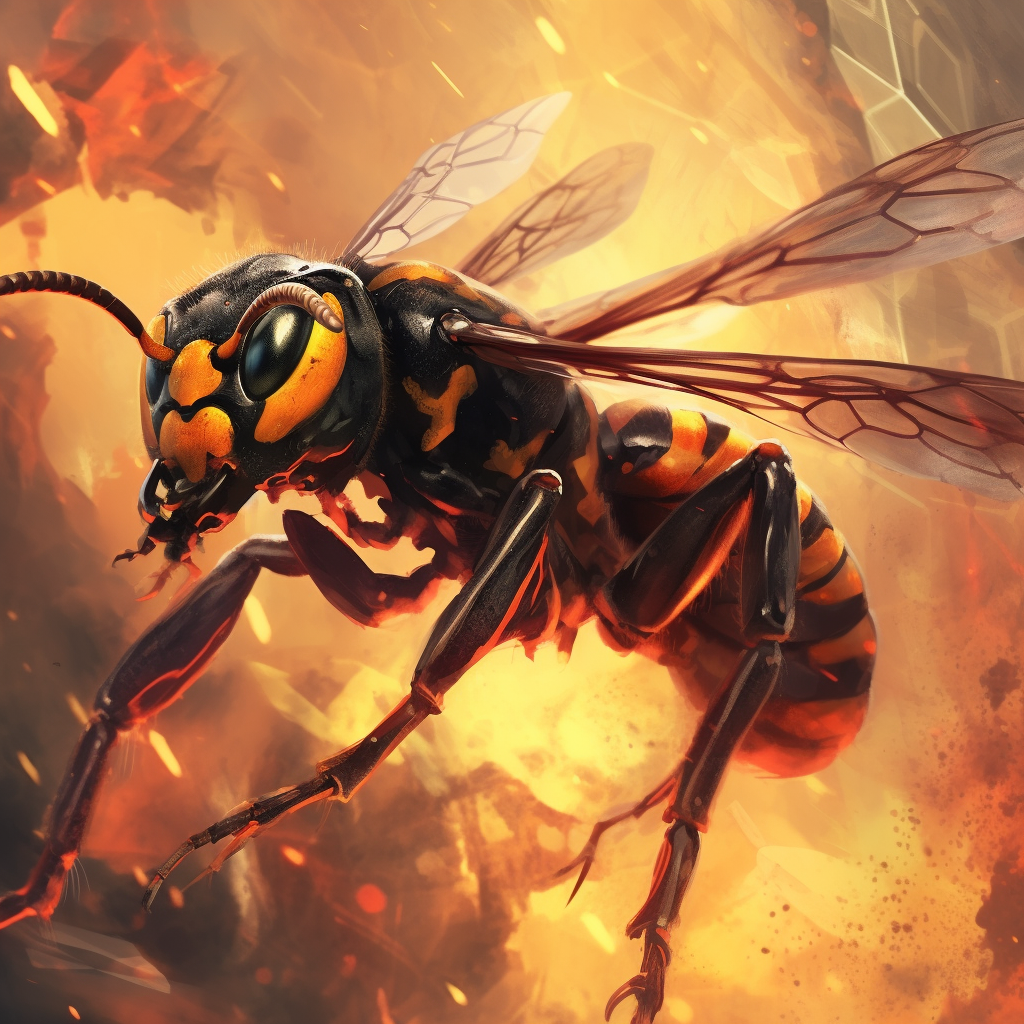


Are pesky bugs driving you crazy by hiding in your home? You’re not alone—hidden pests can be difficult to locate and even harder to eliminate. In this article, we’ll share practical tips to help you draw bugs out of hiding. For more persistent infestations, professional services like Nature Guard Pest & Lawn can provide targeted treatments to locate and eliminate pests effectively.
By following these simple steps, you can take control of your living space and reduce unwanted pest activity.
First, you will learn how to identify common hiding spots, giving you a head start in addressing the problem.
Next, we will show you how to create an environment that encourages bugs to come out, making them easier to manage.
We will also explore the use of bait and traps, natural remedies and repellents, as well as light and heat sources to lure bugs out of their hiding places.
Finally, we’ll cover when it makes sense to seek professional help.
Key Takeaways
- Identifying hiding spots
- Creating a bright environment
- Using bait and traps
- Trying natural remedies and repellents
Identify their hiding spots
Do you ever wonder where those sneaky bugs like to hide? Well, let me enlighten you.
Bugs have a knack for finding the tiniest crevices and corners to hide in. They may seek refuge in cracks in walls, gaps in windows, or even in the folds of curtains. These hiding spots provide them with protection and a source of food.
To prevent bugs from taking up residence in your home, it is important to seal any potential entry points. Use caulk to seal gaps around windows and doors, and repair any cracks in walls.
Additionally, keeping your home clean and free of food debris will deter bugs from coming in. Regularly vacuuming and sweeping, especially in hard-to-reach areas, will help eliminate hiding spots and discourage bugs from settling in.
Create a bright and inviting environment
To entice the elusive creature from its covert shelter, craft an atmosphere that radiates warmth and luminosity. Creating a bright, inviting environment is essential for drawing bugs out of hiding. By understanding what attracts insects and repels bugs, you can effectively design an environment that maximizes your chances of success. Insects are naturally drawn to bright lights, so incorporating bright and warm lighting fixtures will serve as a powerful attractant. Additionally, using scents that repel bugs, such as citronella or lavender, can help keep them at bay and encourage them to emerge from hiding. To further engage the audience, consider the following table:
| Attracting Insects | Repelling Bugs |
|---|---|
| Bright lights | Citronella |
| Warmth | Lavender |
| Inviting scents |
Remember, creating a bright and inviting atmosphere is key to drawing bugs out of hiding and providing a comfortable environment for your audience.
Use bait and traps
One effective way to lure insects and capture them is by using bait and traps.
Attracting insects can be achieved by strategically placing bait that appeals to their senses. Sweet and fragrant substances like fruit juice or syrup can entice bugs to come out of hiding.
By using traps, you can increase the chances of capturing the bugs once they are lured in. Traps can be made using sticky adhesive or a physical barrier that insects cannot escape from.
It’s important to place the traps in areas where bugs are likely to hide or travel, such as near food sources or dark corners.
By employing these methods, you can successfully draw bugs out of hiding and capture them for removal or study.
Try natural remedies and repellents
If you want to keep insects away, try using natural remedies and repellents that create an invisible shield to ward off bugs.
Natural bug repellents are a great alternative to chemical-filled options, as they are safer for both you and the environment.
Citronella oil, for example, is a popular natural repellent that has been proven effective against mosquitoes and other flying insects. It works by masking the scents that attract bugs, making it harder for them to find you.
Another effective option is peppermint oil, which has a strong scent that bugs dislike. Simply mix a few drops with water and spray it around your home or outdoor area.
Other natural bug control methods include planting insect-repelling herbs like basil, lavender, and rosemary, as well as using essential oils like eucalyptus or tea tree oil.
By incorporating these natural remedies and repellents into your bug control routine, you can enjoy bug-free living without worrying about harmful chemicals.
Utilize light and heat sources
Illuminate your surroundings with strategically placed light and heat sources to deter insects from infiltrating your space. By utilizing artificial light and heat lamps, you can effectively draw bugs out of hiding. Insects are naturally attracted to light, so placing bright lights outside your home can lure them away from your living areas. Additionally, heat lamps can create a warm and inviting environment for bugs, causing them to come out of hiding in search of warmth. To further enhance your bug-drawing strategy, consider using a combination of light and heat sources. For example, you can place a heat lamp near a bright light to create an irresistible combination for insects. By implementing these techniques, you can increase your chances of successfully drawing bugs out of hiding and keeping your space bug-free.
| Light Sources | Heat Sources |
|---|---|
| LED floodlights | Infrared heat lamps |
| Solar-powered lights | Ceramic heat emitters |
| Motion sensor lights | Quartz heat lamps |
| Bug zapper lights | Electric heat mats |
Use a vacuum cleaner or sweeping tool
To swiftly remove any pesky insects that may have found their way into your living space, you can use a vacuum cleaner or sweeping tool. This will ensure a bug-free environment.
If you prefer to explore alternative bug removal methods, there are a few options to consider. One effective alternative to a vacuum cleaner is using a handheld bug catcher. These devices allow you to safely catch and release bugs without causing harm.
Another option is using a long-handled broom or a dustpan and brush to gently sweep bugs out of their hiding spots and into a container for release outdoors.
Additionally, you can try using sticky traps or bug repellent sprays as alternative bug control measures. These alternatives provide effective solutions for bug removal, catering to those who prefer non-vacuum methods.
Seek professional help if needed
If you’re struggling to resolve an insect issue in your home, it may be time to seek professional help. Pest control providers like Nature Guard Pest & Lawn have the expertise to identify and treat persistent bugs that are difficult to locate or eliminate.
These professionals can assess the situation, recommend the most effective treatment plan, and use specialized tools to target hidden pests. Their approach ensures a more thorough and long-lasting solution than many DIY methods.
By working with a trusted provider, you can save time, reduce frustration, and feel confident that your pest problem is being handled effectively.
Frequently Asked Questions
How do bugs hide in the first place?
Bugs hide to protect themselves from predators, harsh weather, or to find a suitable environment for mating and laying eggs. They use various strategies like camouflage, burrowing, or seeking shelter in crevices.
What are some natural remedies and repellents that can be used to draw bugs out of hiding?
Home remedies such as essential oils can be effective in drawing bugs out of hiding. Certain oils, like peppermint or lavender, are known to repel insects. Apply a few drops near hiding spots to encourage them to leave.
Can bugs be attracted to light and heat sources?
Bugs can be attracted to light and heat sources as they are drawn to warmth and brightness. They may also be attracted to certain scents. Common hiding spots for bugs in a home include cracks, crevices, and dark corners.
Are there any specific types of bait and traps that are effective in luring bugs out of hiding?
To lure bugs out of hiding, you can use various types of bug baits and DIY bug traps. These include sugar water, vinegar, fruit, and sticky traps. Placing these near hiding spots can effectively attract and capture bugs.
When should professional help be sought in dealing with bugs hiding in a home?
Before seeking professional bug control assistance for bugs hiding in your home, look for signs of a bug infestation such as droppings, visible damage, or unusual odors. Take steps like cleaning, sealing cracks, and using traps before considering professional help.
Contact Nature Guard Pest & Lawn Today!
Are you tired of unwanted pests in your home or office? It’s time to reclaim your space with Nature Guard Pest & Lawn, your leading pest control provider. Serving the Tulsa area, we provide fast, effective, and environmentally friendly solutions to eliminate pests. Don’t let pests be pests! Contact us today or visit our website to learn more about our services and schedule your appointment.