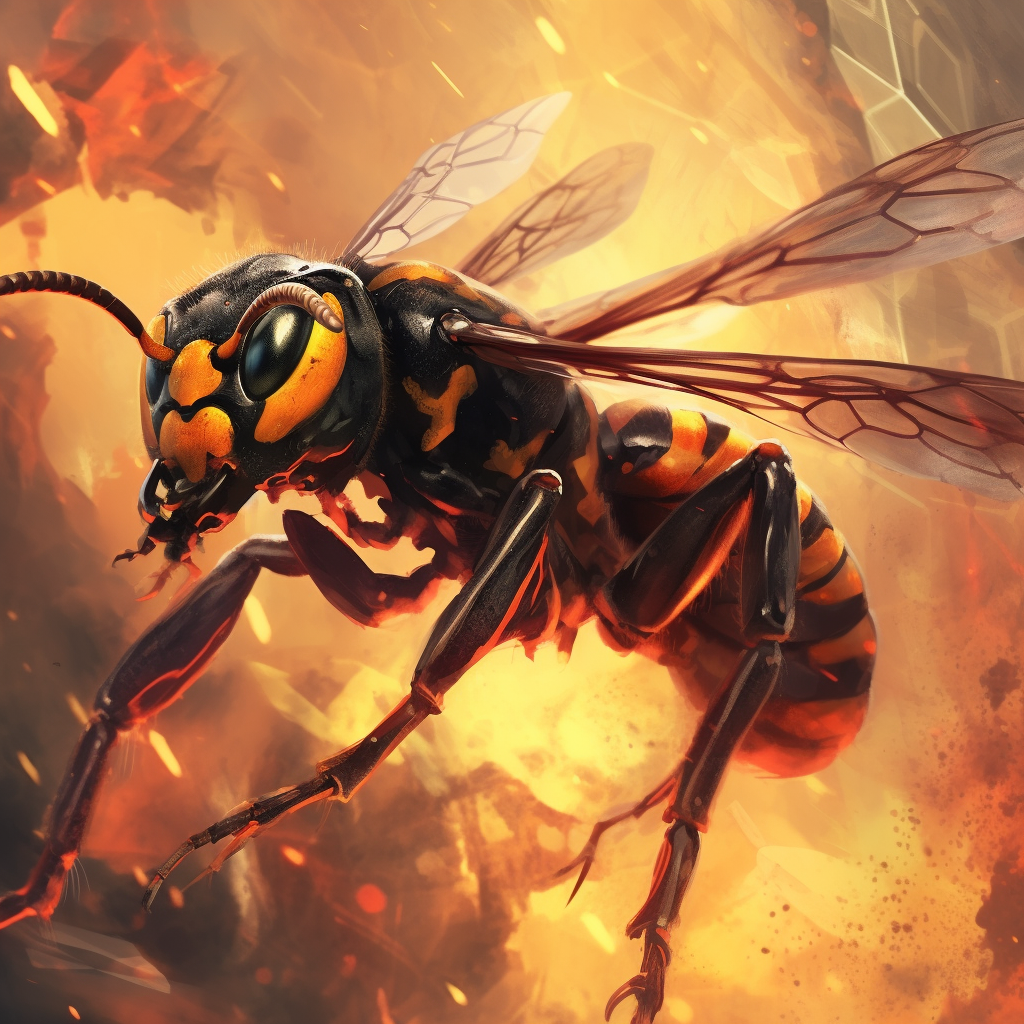


Are bugs invading your home and driving you crazy? Don’t worry, we’ve got you covered. In this article, we’ll guide you through the process of spraying your house for bugs and help you take steps toward a more comfortable, pest-free living space.
First, we’ll explain how to identify the type of pest activity you’re dealing with. Then, we’ll cover how to prepare your home for treatment, choose the right insecticide, and apply treatments effectively.
We’ll also discuss key areas that require special attention, the importance of ongoing prevention, and when it may be beneficial to work with a professional provider like Nature Guard Pest & Lawn for more persistent pest problems.
Get ready to learn practical strategies for managing pest activity and protecting your home.
Key Takeaways
- Identify problem areas in your home, such as cracks, entry points, areas with moisture or food sources, and signs of bug activity.
- Use a combination of pest control methods, including sealing cracks, using natural bug repellents, spraying alternatives in cracks and entry points, and creating a barrier against bugs.
- Regularly treat your home with bug spray, focusing on key areas and using professional pest control services for enhanced effectiveness.
- Consider environmental concerns by using natural alternatives to chemical bug sprays and seeking professional insights for a safer environment.
Identify the Type of Bug Infestation
Now that you’ve noticed some unwanted guests in your home, let’s find out what kind of bug infestation you’re dealing with! Identifying the type of bug infestation is crucial in determining the most effective method of eradication.
Start by examining the characteristics of the bugs you’ve encountered. Are they small and winged, or larger with multiple legs? Once you have identified the type of bug, you can choose the appropriate bug repellent or control method.
There are various types of bug repellents available in the market, including sprays, traps, and electronic devices. Additionally, natural bug control methods can be a safe and eco-friendly alternative. These methods often involve using ingredients like essential oils, vinegar, or diatomaceous earth to repel or kill bugs.
Remember to always follow the instructions provided on the bug repellent packaging and take necessary precautions while using any chemical products in your home.
Prepare Your House for Treatment
First, make sure to adequately prepare your home before treating for pests. Pre-treatment preparation is crucial for effective bug prevention techniques.
Begin by thoroughly cleaning your house, removing any clutter or debris that may provide hiding places for bugs.
Seal any cracks or gaps in windows, doors, and walls to prevent bugs from entering your home.
Trim any vegetation that is touching or close to the exterior walls of your house, as this can provide a pathway for bugs to enter.
Remove any standing water sources both inside and outside your home, as they can attract bugs.
Additionally, store food in sealed containers and regularly clean your kitchen to eliminate potential food sources for bugs.
By following these pre-treatment preparation steps, you can ensure a more successful bug spray treatment for your home.
Choose the Right Insecticide
To effectively combat pests, it’s important to select the right insecticide for your specific needs and situation. Choosing the right insecticide can make a significant difference in achieving effective bug control. There are various factors to consider when selecting an insecticide, such as the type of pests you are dealing with, the severity of the infestation, and the potential risks to humans and pets.
To help you in making an informed decision, here is a table that outlines different insecticides commonly used for bug control:
| Insecticide | Target Pests | Application Method | Residual Effect |
|---|---|---|---|
| Pyrethroids | Mosquitoes, ants, roaches | Spray | Short-term |
| Neonicotinoids | Aphids, whiteflies, beetles | Systemic application | Long-term |
| Organophosphates | Fleas, ticks, flies | Spray or fog | Moderate-term |
| Botanicals | Various pests | Spray or dust | Short to moderate-term |
Remember, it’s crucial to carefully read and follow the instructions on the insecticide label for proper application and safety. Additionally, consider using integrated pest management techniques alongside insecticides for a more comprehensive approach to bug control.
Follow Proper Application Techniques
When applying insecticide to your home, it’s crucial to carefully read and follow the instructions provided on the label. This will ensure that you apply the product correctly and effectively.
Additionally, it’s important to use proper protective gear, such as gloves and a mask, to avoid any potential harm from the chemicals.
Lastly, ensure that you have proper ventilation in the area where you are spraying to prevent the buildup of fumes.
By following these key points, you can safely and efficiently apply insecticide to your home.
Read and follow the instructions on the insecticide label
Before proceeding, ensure that you carefully read and adhere to the instructions provided on the insecticide label when applying it to your house to combat bugs. It is crucial to follow these instructions precisely to ensure safe and effective application. Failure to do so may result in inadequate bug control or even harm to yourself, your family, or your pets.
When reading the insecticide label, pay close attention to the recommended dosage, application method, and safety precautions. Different products may have specific instructions based on the bug species you are targeting. Identifying the bug species can help you choose the most appropriate insecticide and application technique. If you are unsure about the bug species or need assistance with pest control, it is always wise to consult a professional.
To make it easier for you, here is a simple table summarizing the key instructions and precautions you should consider when using insecticides:
| Instruction | Description |
|---|---|
| Dosage | Use the recommended amount of insecticide |
| Application Method | Follow the specified method of application |
| Safety Precautions | Wear protective clothing and avoid contact with the skin |
Remember, following the instructions on the insecticide label is essential for a successful bug control process.
Use protective gear and ensure proper ventilation
To create a safe environment while combating insect infestations, it is important to use protective gear and ensure proper ventilation. Wearing the necessary gear is crucial as it shields you from harmful chemicals and potential exposure. This includes long-sleeved shirts, long pants, gloves, and closed-toe shoes to protect your skin. Additionally, goggles and a face mask are essential to safeguard your eyes and respiratory system.
Proper ventilation is vital in preventing the buildup of toxic fumes. Open windows and doors to allow fresh air to circulate, and use fans to enhance airflow. This helps dissipate the insecticide and reduces the risk of inhaling any harmful substances.
Remember, ensuring the use of protective gear and adequate ventilation guarantees a safer and more effective bug-spraying experience.
Target Problem Areas
When targeting problem areas for bug control, it’s important to focus on locations where bugs are most likely to hide or enter your home. Pay close attention to cracks, crevices, and entry points. These are popular entryways for pests. By meticulously inspecting and treating these areas, you can effectively prevent bugs from infiltrating your living space.
Focus on areas where bugs are most likely to hide or enter
Look for any cracks or crevices around windows and doors, as these are prime spots for bugs to hide or enter your home. To effectively spray your house for bugs, it is crucial to focus on areas where bugs are most likely to hide or enter. By targeting these problem areas, you can prevent infestations and keep your home bug-free. Here are some common bug hiding spots that you should pay attention to:
| Column 1 | Column 2 | Column 3 |
|---|---|---|
| Cracks in walls | Gaps in flooring | Gaps in baseboards |
| Gaps in pipes | Vents | Attic entrances |
| Window sills | Door frames | Garage doors |
Inspect these areas thoroughly and seal any openings you find with caulk or weatherstripping. This will prevent bugs from finding their way into your home. Additionally, make sure to spray insecticide directly into these areas to eliminate any existing bugs. By focusing on these problem areas, you can effectively spray your house for bugs and protect your home from infestations.
Pay attention to cracks, crevices, and entry points
When spraying your house for bugs, it is important to pay attention to cracks, crevices, and entry points. These areas are where pests are likely to enter your home. Start by inspecting the exterior of your house for any small openings or gaps that bugs could use to get inside. Once you find these areas, use pest control methods like sealing cracks with caulk or weatherstripping. You can also consider using natural bug repellents, such as essential oils or vinegar, to deter pests. These alternatives can be sprayed in and around cracks, crevices, and entry points, creating a barrier that bugs find unpleasant. By focusing on these key areas and using appropriate pest control methods, you can effectively protect your home from unwanted bugs.
Maintain Regular Treatment
To effectively keep bugs at bay, it’s essential to consistently apply bug spray throughout your house. Regular treatment is crucial in preventing infestations and maintaining a bug-free environment.
Professional pest control services play a vital role in ensuring the effectiveness of bug spray applications. Their expertise allows them to identify entry points, target specific areas, and choose the most suitable products for your home. Additionally, they can provide valuable insights on natural alternatives to chemical bug sprays, which are gaining popularity due to environmental concerns. These alternatives utilize ingredients like essential oils, vinegar, or diatomaceous earth to repel bugs without harmful chemicals.
However, it’s important to note that professional pest control is still recommended for severe infestations or persistent bug problems.
By maintaining regular treatment and exploring natural alternatives, you can effectively spray your house for bugs and create a bug-free sanctuary.
Monitor and Evaluate Results
Evaluating the effectiveness of bug spray applications is crucial in maintaining a bug-free environment throughout your home. To ensure the desired outcome, it is essential to monitor and evaluate the results of your bug spray treatments.
Start by inspecting the treated areas regularly, paying close attention to any signs of bug activity. Look for live bugs, evidence of their presence, or any new infestations.
Additionally, assess the duration of the spray’s effectiveness. Determine if the bug spray is providing long-lasting protection or if reapplication is necessary.
If you notice any areas where the bugs are still present or recurring infestations, it is crucial to adjust your treatment plan accordingly. Consider changing the type of bug spray, increasing the frequency of applications, or targeting specific problem areas.
By carefully evaluating the effectiveness of your bug spray applications, you can maintain a bug-free environment and ensure the comfort and safety of your home.
Frequently Asked Questions
Are there any natural or organic alternatives to chemical insecticides?
Natural alternatives to chemical insecticides offer several benefits. Organic insecticides are derived from natural sources and are environmentally friendly. They are effective in controlling bugs and pose minimal risk to humans and pets.
Can I spray my house for bugs myself, or do I need to hire a professional?
To effectively eliminate bugs from your house, you have two options: DIY bug spray or hiring professionals for pest control. DIY bug spray involves using natural or organic alternatives, while hiring professionals ensures a thorough and effective treatment.
How long should I wait after spraying before allowing children or pets back into the treated areas?
After spraying your house for bugs using non-toxic options, you should wait for a waiting period of at least a few hours before allowing children or pets back into the treated areas to ensure their safety.
Are there any specific safety precautions I should take while spraying my house for bugs?
To ensure safety while spraying your house for bugs, it is crucial to take specific safety measures. Wear protective gear such as gloves, goggles, and a mask to prevent direct contact with the insecticide and minimize inhalation of harmful chemicals.
How often should I spray my house for bugs to maintain an effective pest control?
To maintain effective pest control, it is recommended to spray your house for bugs every 3-4 months. This frequency helps to prevent infestations and ensures continuous protection against pests.
Contact Nature Guard Pest & Lawn Today!
While DIY pest treatments can be helpful for minor pest issues, they don’t always address the source of the problem or provide long-term protection. If you’re dealing with recurring pest activity, larger infestations, or pests that keep returning despite repeated treatments, professional assistance can help you achieve more reliable results.
Nature Guard Pest & Lawn provides comprehensive pest control services throughout the Tulsa area, helping homeowners identify pest entry points, target problem areas, and implement treatment plans designed to reduce future infestations. Their team can assess your specific situation and recommend the most effective solution for your home and property.
Looking for a trusted local pest control company? Check out Nature Guard Pest & Lawn’s Google reviews and see why your neighbors trust their services, with a 4.9-star rating across 1,600+ reviews. Their reputation reflects a commitment to exceptional customer service, effective treatments, and long-term pest management solutions.
Don’t let pests take over your home. Contact Nature Guard Pest & Lawn today to schedule an inspection and learn more about the treatment options available for your property.