
Pest control jobs can vary in duration depending on several factors. The initial inspection process is an important step in determining the extent of the infestation and identifying the type of pest involved. Nature Guard Pest & Lawn provides professional pest control services with thorough inspections and customized treatments designed to address each property’s unique needs.
This inspection can take anywhere from 30 minutes to a few hours, depending on the size of the property and the complexity of the infestation.
Once the inspection is complete, the treatment methods and techniques will be determined. The time required for treatment can vary greatly depending on the severity of the infestation and the type of pest being targeted. Some treatments may be completed in a single visit, while others may require multiple visits over a period of several weeks.
Key Takeaways
- Pest control duration varies depending on factors such as the type of pest and treatment method.
- The size and severity of the infestation can impact the length of the job.
- Proper customer preparation and cooperation can help facilitate a more efficient and effective control.
- Follow-up visits and monitoring are essential for assessing treatment effectiveness and addressing any new issues.
Factors Affecting Pest Control Duration
The duration of a pest control job can be influenced by various factors.
One significant factor is the pest control timeline, which refers to the time it takes to complete the entire process. Different pests may require different treatment methods and multiple visits to effectively eliminate them. For instance, a termite infestation may take longer to eradicate than a common ant problem.
Additionally, weather conditions can affect the duration of a treatment. Certain treatments may need to be postponed or rescheduled in cases of extreme weather conditions such as heavy rain or strong winds. Weather conditions can also affect the effectiveness of the treatment, as some pesticides may require specific temperature or humidity levels to work efficiently.
Considering these factors can help homeowners and pest control professionals better understand the expected duration of a pest control job.
Initial Inspection Process
During the initial inspection process of a pest control job, a thorough assessment is conducted to identify and evaluate the extent of the infestation. This step is crucial in determining the timeframe required to complete the job.
The technician will carefully inspect the affected areas, looking for signs of pest activity, such as droppings, damage, or nesting sites. They will also assess potential entry points and sources of food and water for the pests.
The duration of the inspection process may vary depending on the size of the property and the complexity of the infestation. Additionally, the qualifications of the technician play a significant role in the efficiency of the inspection. A well-trained and experienced technician can effectively identify the pest problem and provide an accurate estimate of the time needed to address it.
Treatment Methods and Techniques
Various effective treatment methods and techniques are employed to address pest infestations, ensuring a thorough and lasting solution.
Pest control professionals utilize a range of pest control products to eliminate pests and prevent their recurrence. These products can include insecticides, baits, traps, and repellents, each tailored to target specific pests and minimize any potential harm to humans and the environment.
Additionally, professional expertise is crucial in determining the most appropriate treatment method for each unique situation. Pest control experts have in-depth knowledge of pest behavior, biology, and habitats, allowing them to effectively identify and target the source of the infestation.
By combining their understanding of pest control products with their expertise, professionals can implement the most effective treatment techniques, ensuring a successful outcome for their clients.
Follow-Up Visits and Monitoring
Monitoring and follow-up visits are essential for effective and sustainable pest control treatments. After the initial treatment, follow-up visits are necessary to assess effectiveness and determine if further action is needed. These visits also address any new pest issues that may have arisen. Proper scheduling of follow-up visits ensures timely maintenance. Regular monitoring helps identify signs of pest activity and allows for prompt intervention. It is important to conduct follow-up visits and monitoring according to industry standards for optimal results.
Size and Severity of Infestation
The size and severity of an infestation can significantly impact the effectiveness and duration of pest control treatments. Common pests such as rodents, insects, and termites can multiply rapidly if left unaddressed, leading to more extensive infestations. In such cases, professional expertise is crucial for effective pest control.
A larger infestation requires more time to identify and eliminate all pests and their breeding grounds. Additionally, severe infestations may require multiple treatments and follow-up visits to ensure complete eradication. Pest control professionals utilize their knowledge and experience to assess the extent of the infestation and determine the most appropriate course of action.
By employing targeted strategies and treatments, they aim to eradicate pests efficiently and minimize the risk of reinfestation. Understanding the size and severity of an infestation is essential for providing effective pest control services.
Type of Pest Being Targeted
The type of pest being targeted plays a significant role in determining the duration of the treatment. Different pests require different approaches and treatments, which can affect the overall timeline of the job.
For example, eradicating a small infestation of ants may take less time compared to eliminating a severe infestation of bed bugs.
The effectiveness of pest control also plays a crucial role in determining the time required for a job. If the chosen methods and treatments are effective, the pest control process can be completed more efficiently and in a shorter timeframe. However, if the treatment is not effective, additional measures may be needed, resulting in a longer timeline for the pest control process.
Ultimately, the type of pest being targeted and the effectiveness of the chosen methods are key factors in determining the duration of a professional treatment.
Customer Preparation and Cooperation
Customer preparation and cooperation are crucial for the smooth and efficient execution of pest control treatments. Effective customer communication plays a vital role in ensuring that the pest control job is completed within the expected timeline.
Before treatment, customers should be informed about the necessary preparations, such as removing personal belongings and clearing the treatment area. This enables the pest control professionals to have easy access to the affected areas, increasing the effectiveness of the treatment.
Additionally, customers should cooperate with the pest control technicians by following their instructions and providing any relevant information about the pest infestation. This facilitates a better understanding of the situation and allows the technicians to tailor their approach accordingly.
Ultimately, customer preparation and cooperation significantly contribute to a successful and timely pest control job.
Frequently Asked Questions
Are there any health risks associated with pest control treatments?
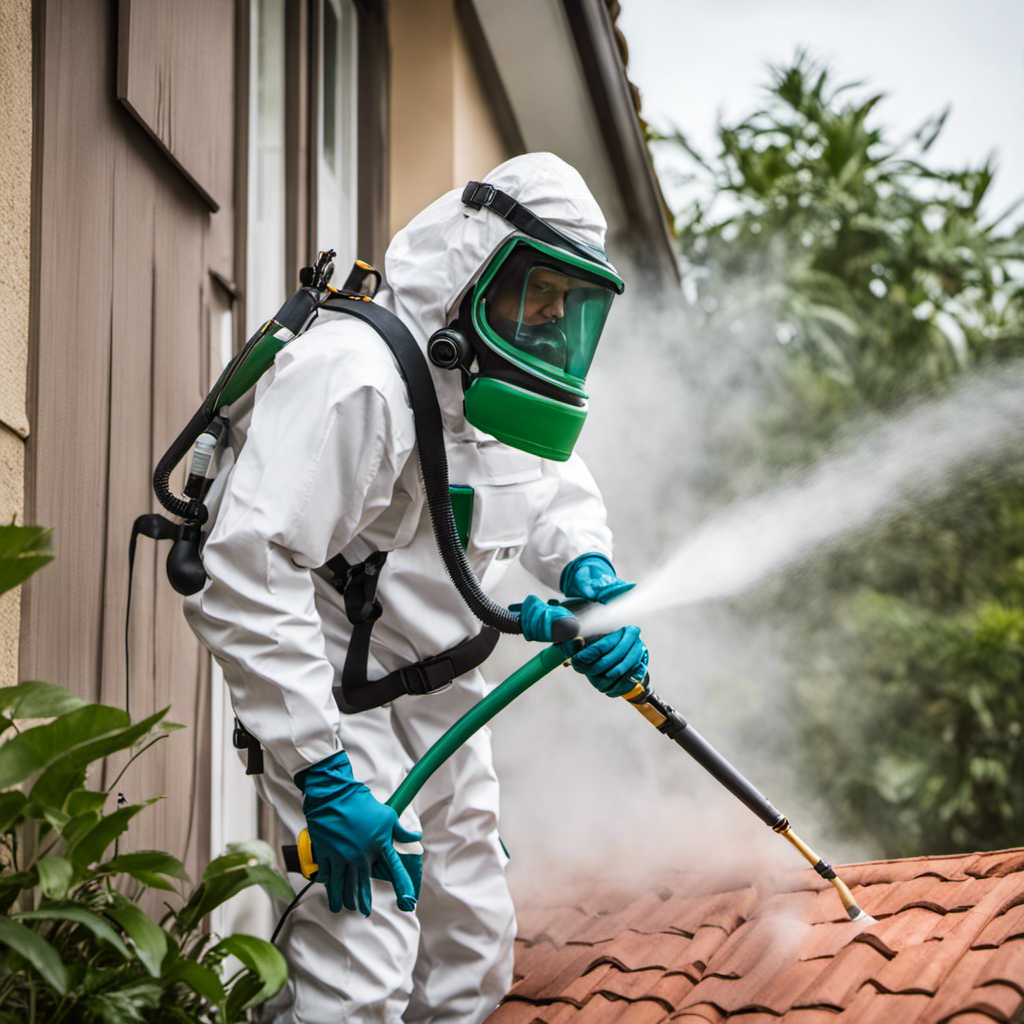
Health risks associated with pest control treatments include potential exposure to toxic chemicals, respiratory problems, skin irritation, and allergic reactions. To mitigate these risks, safety precautions such as wearing protective clothing and proper ventilation should be followed.
How often should I schedule follow-up visits for pest control?
The scheduling frequency for follow-up visits in pest control depends on the severity of the infestation, the treatment method used, and the specific pest species. It is recommended to consult with a professional pest control service for the appropriate frequency.
Can I stay in my home during the pest control treatment?
Staying home during pest control treatment is generally safe, but certain safety precautions should be followed. It is recommended to consult with the pest control professional to determine the specific guidelines and ensure the well-being of all occupants.
Will the pest control treatment leave any residue or odor in my home?
The pest control treatment may leave some residue, but it is generally safe and will not cause significant harm. While there might be a slight odor during and shortly after the treatment, it will dissipate over time.
What measures can I take to prevent future pest infestations?
Preventive measures can be implemented to avoid future pest infestations. These include maintaining cleanliness, sealing entry points, proper waste management, regular inspections, and employing pest management techniques such as using traps or natural repellents.
Contact Nature Guard Today!
Don’t let unwanted pests disrupt your home or business. Nature Guard provides reliable pest control services designed to identify the source of the problem, deliver effective treatments, and help prevent future infestations. Our experienced team serves local homeowners and businesses with solutions tailored to their specific needs.
Whether you’re dealing with insects, rodents, termites, or other common household pests, Nature Guard is ready to help restore comfort and protection to your property. Contact us today to schedule your inspection and discover how our professional services can help keep your space pest-free.
Be sure to check out our Google reviews and see why your neighbors trust our services, with 4.9 stars and 1,600+ reviews. See why so many homeowners choose Nature Guard for dependable service and effective solutions.