

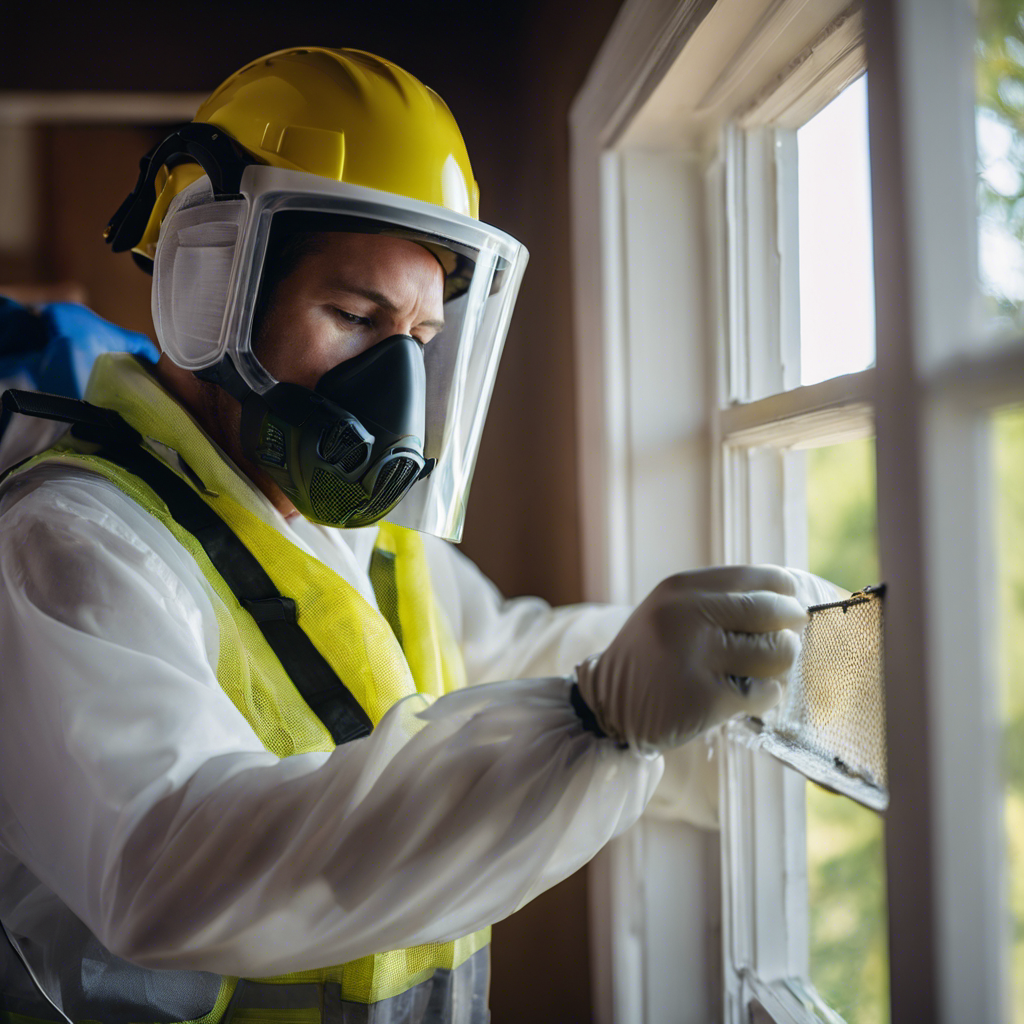
Imagine a world where your house is a sanctuary, free from the intrusion of unwanted insects and rodents. A place where you can relax, unwind, and enjoy your surroundings without the constant worry of unwelcome visitors.
At Nature Guard Pest & Lawn, we know that keeping your home protected starts with a proactive approach. Routine treatments play an important role in maintaining the cleanliness and safety of your property, but how often should you schedule professional service to keep these unwanted intruders at bay? This article explores the factors that determine the ideal service frequency, helping you understand the best schedule for maintaining a comfortable home.
Service frequency is influenced by several factors, including your location, environmental conditions, and the severity of any existing activity. Understanding these variables can help you determine the right maintenance plan for your property.
One of the primary considerations is your geographic location and the environmental conditions that prevail in your area. Different regions experience varying levels of insect and rodent activity due to factors such as climate, vegetation, and proximity to natural habitats. By understanding the unique circumstances of your location, you can better assess potential risks and develop a proactive plan for long-term protection.
Factors That Determine Pest Control Frequency
One important factor that determines the frequency of pest control in a house is the geographical location, as certain areas have a higher prevalence of pests than others.
For example, approximately 32% of homeowners in heavily infested areas require pest control services on a monthly basis. This is because some regions are more prone to infestations, either due to climatic conditions, proximity to natural habitats, or other environmental factors.
In these areas, pests such as rodents, insects, and termites can quickly multiply and cause significant damage to homes if not addressed regularly.
Regular pest control is essential to maintain a pest-free environment and prevent potential health and property risks. By implementing a consistent pest control schedule, homeowners can proactively address any infestation issues and minimize the chances of pests spreading and causing widespread damage.
Regular treatments help to eliminate existing pests, prevent their re-entry into the house, and disrupt their breeding cycles. This is especially crucial for areas with a higher prevalence of pests, where a single missed treatment can lead to a rapid increase in pest populations.
Therefore, understanding your location and the environmental factors that contribute to infestations is vital in determining the frequency of pest control required for effective management.
The geographical location of a house plays a significant role in determining how often professional services are needed. Factors affecting pest control frequency include the prevalence of pests in the area and the risks they pose.
Regular pest control is essential to maintain a pest-free environment and prevent the spread of infestations. Understanding your location and the environmental factors that contribute to pest problems will help in implementing an effective pest control schedule.
Understanding Your Location and Environmental Factors
Understanding the location and environmental factors of your residence is crucial when determining the appropriate frequency for implementing pest management measures.
Climate considerations play a significant role in the prevalence and activity of pests in a particular area. For instance, in warmer regions, where temperatures remain favorable throughout the year, pests like cockroaches, ants, and mosquitoes may be more common. In contrast, colder regions may experience lower pest activity during the winter months. Additionally, seasonal pest patterns need to be taken into account. Some pests may be more active during certain times of the year, such as termites swarming in the spring or rodents seeking shelter in the colder months. By understanding these climate considerations and seasonal pest patterns, homeowners can better assess how often pest control measures should be implemented.
Environmental factors also influence the need for pest control. Urban areas with dense populations and limited green spaces may be more susceptible to certain pests due to the lack of natural predators or disrupted ecosystems. Similarly, homes located near bodies of water, such as lakes or rivers, may face challenges with mosquitoes and other water-related pests. Additionally, if nearby properties or neighboring houses have pest issues, there may be a higher risk of pests spreading to your residence. By considering these environmental factors, homeowners can make informed decisions about the frequency of pest control measures needed.
Transition: Identifying the type of pests you’re dealing with is the next crucial step in determining the most effective strategies for pest management.
Identifying the Type of Pests You’re Dealing With
Identifying the specific species of pests present in a given environment is paramount in developing effective strategies for managing their presence. Different types of pests require different pest control methods, and understanding the specific species will help in determining the most appropriate approach.
Pest control methods can vary depending on the type of pest, as some pests may be more resistant to certain treatments than others. For example, termites may require specialized termite control methods, while rodents may require traps or bait stations.
By identifying the type of pests you’re dealing with, you can ensure that the pest control methods used are targeted and effective.
To evoke emotion in the audience, consider the following bullet points:
- Pests can cause damage to property and belongings, leading to costly repairs and replacements.
- Pests can pose health risks to humans and pets, such as transmitting diseases or causing allergic reactions.
- The presence of pests can create a sense of discomfort and unease in the home environment.
- Pests can multiply rapidly, leading to an infestation that becomes increasingly difficult to control over time.
- DIY pest control methods may not always be sufficient in eliminating pests, requiring the expertise of pest control professionals.
Incorporating these points will not only inform the audience about the importance of identifying the type of pests but also evoke a sense of urgency in addressing the issue.
By understanding the specific species of pests present, individuals can make informed decisions about seeking assistance from pest control professionals. This transition into the subsequent section about assessing the severity of the infestation allows for a seamless continuation of the topic without explicitly stating ‘step.’
Assessing the Severity of the Infestation
Assessing the severity of an infestation is crucial for determining the extent of damage caused and the level of urgency required in implementing effective pest management strategies.
Determining the severity of a pest infestation involves identifying the signs of pest presence and evaluating their impact on the affected area. Signs of infestation can vary depending on the type of pest, but common indicators include droppings, gnaw marks, damaged structures, and the presence of live or dead pests.
By carefully examining these signs, one can assess the extent of the infestation and understand the potential harm it poses to the environment, property, and human health.
Assessing the severity of the infestation allows homeowners to prioritize pest control measures. If the infestation is minor, preventive measures and regular monitoring may suffice to keep pests at bay. However, in cases where the infestation is severe, immediate action is necessary to prevent further damage and potential health risks.
By accurately assessing the severity, individuals can determine the ideal schedule for pest control services, ensuring that the necessary measures are implemented promptly and effectively.
Determining the Ideal Schedule for Pest Control Services
To determine an optimal schedule for pest management services, it is essential to carefully evaluate the severity of the infestation and consider the potential risks associated with delayed intervention, so you can strike while the iron is hot and effectively eradicate the pests.
Factors to consider when scheduling pest control services include the type of pest, the extent of the infestation, and the level of risk posed to human health and property. Certain pests, such as termites or bed bugs, require immediate attention as they can cause significant damage if left unchecked. In such cases, it is advisable to schedule pest control services as soon as the infestation is detected to prevent further destruction and minimize potential health hazards.
Another important factor to consider when determining the frequency of pest control services is the geographical location and climate. Certain areas are more prone to certain pests, and their activity may vary depending on the season. For example, mosquitoes are more active during warm summer months, while rodents may seek shelter indoors during colder seasons. Regular pest control services may be required in areas with a high risk of infestation or where certain pests are endemic.
Common mistakes to avoid when determining pest control frequency include underestimating the severity of an infestation and delaying intervention. Ignoring or delaying pest control measures can lead to rapid population growth and more challenging eradication efforts. It is also important to avoid overusing pesticides, as excessive exposure to chemicals may have adverse effects on human health and the environment. Therefore, it is crucial to strike a balance between timely intervention and the judicious use of pest control measures to effectively manage infestations and ensure the safety of occupants.
Frequently Asked Questions
Are there any natural remedies I can use to control pests in my house?
Natural remedies for controlling pests in the house include using essential oils, such as peppermint or lavender, to repel insects. DIY pest control methods, such as sealing cracks and keeping a clean environment, can also help prevent infestations.
Can I apply pest control products myself or should I hire a professional?
When considering pest control, it is important to evaluate the pros and cons of DIY methods versus hiring a professional. While DIY options may be cost-effective, professional services offer expertise and assurance in effectively eliminating pests.
How long does it typically take for a pest control treatment to be effective?
The effectiveness duration of a pest control treatment varies based on factors such as the type of pest, severity of infestation, and treatment method used. It typically takes a few days to several weeks for noticeable results to occur.
Are there any specific precautions I should take before and after a pest control treatment?
Precautions during and after a pest control treatment include removing all food, dishes, and utensils from exposed areas, covering or removing pet food and water bowls, and vacuuming thoroughly. To prepare your house for a pest control treatment, ensure all areas are accessible and remove clutter.
Is it necessary to vacate the house during a pest control treatment?
It is generally recommended to vacate the house during a pest control treatment to ensure safety. Pesticides used in such treatments may pose health risks, and leaving the premises minimizes exposure to harmful chemicals.
Contact Nature Guard Pest & Lawn Today!
Keeping your home protected isn’t just about treating existing problems—it’s about preventing future ones. Nature Guard offers customized residential treatment plans designed to provide reliable, year-round protection against common household invaders throughout the Tulsa area.
Whether you’re looking for routine maintenance or need help addressing a current issue, our experienced team will inspect your property, identify potential trouble spots, and recommend a solution tailored to your home’s needs. We focus on long-term prevention so you can enjoy greater peace of mind in every season.
Ready to protect your home? Contact Nature Guard today to schedule your inspection or recurring service plan. And before you do, check out our Google reviews and see why your neighbors trust our services—4.9 stars with 1,600+ reviews!