

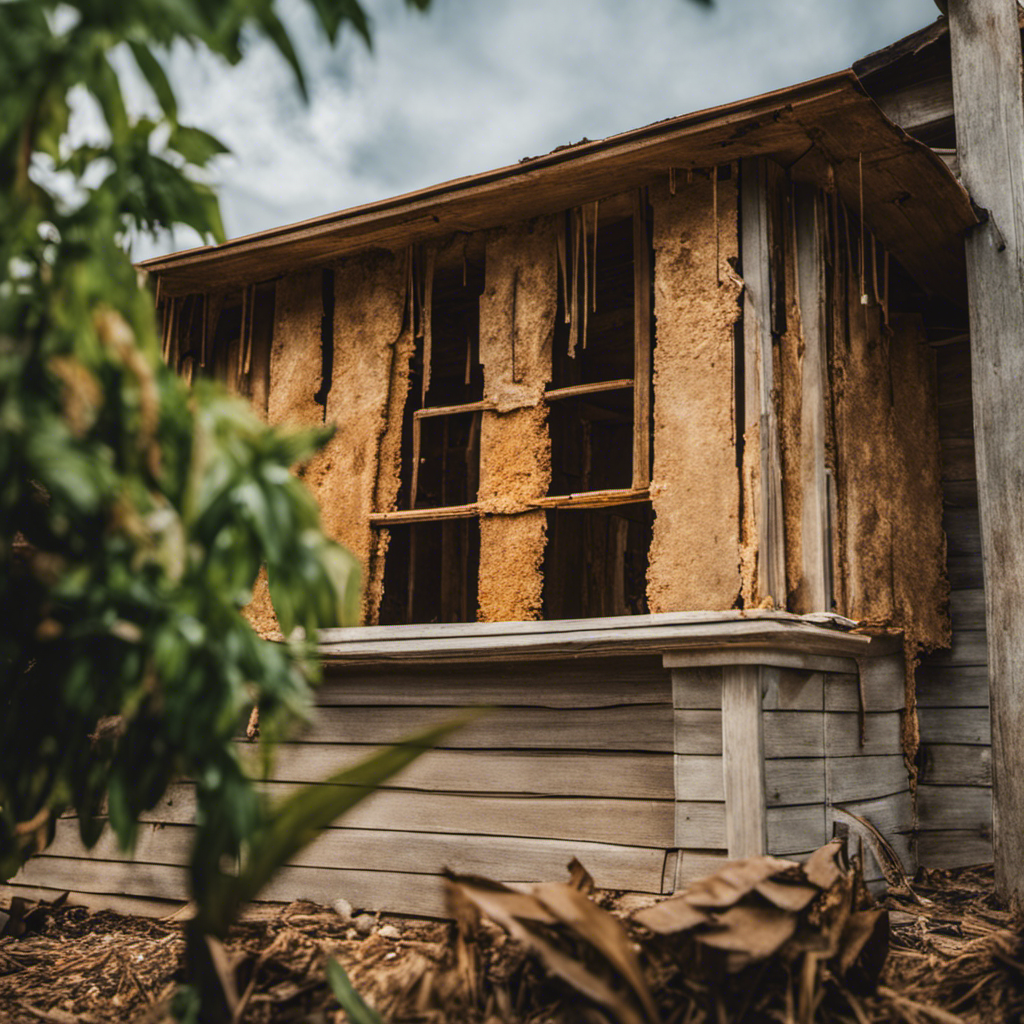
Termites pose a significant threat to homeowners, causing structural damage that can be costly to repair. Some individuals may consider DIY prevention methods to mitigate these risks.
However, professional termite services offer certain advantages. This article critically examines the effectiveness and cost implications of both approaches, providing an informed basis for homeowners to make the appropriate choice for their property’s protection.
The goal is to empower readers with knowledge to make decisions that best serve their homes.
Key Takeaways
- DIY termite prevention methods include the use of natural repellents like orange oil and boric acid, as well as barrier installations made of metal or crushed rock.
- Professional termite services offer service guarantees, access to specialized equipment, expertise in addressing unique challenges, and a reduction in the likelihood of recurrence.
- DIY methods may seem cost-effective in the short term, but professionals have access to advanced techniques and products, resulting in a higher success rate and prevention of extensive damage.
- When choosing between DIY methods and professional services, it is important to consider the long-term implications for your property, as professional services often outperform DIY alternatives in terms of effectiveness, cost, safety, and value of time.
Understanding Termite Infestations
A comprehensive understanding of termite infestations, including their causes, signs, and potential damage, is crucial before one can effectively evaluate the merits of DIY versus professional termite prevention.
The termite lifecycle initiates from an egg, transitioning through several nymph stages before reaching maturity. Their colonies, often concealed within wooden structures or soil, can proliferate unnoticed for years.
Infestation signs may include mud tubes on walls, hollow sounding timber or discarded wings. These cryptic creatures can inflict substantial structural damage, eroding the integrity of residences and commercial buildings.
For those dedicated to serving others in pest management, a grasp on these lifecycle patterns and infestation indicators is vital to ensure the successful prevention and treatment of these insidious insects.
DIY Termite Prevention Methods
In the realm of DIY termite prevention, several methods can be employed to deter these destructive pests from infesting homes and properties.
Natural repellents, such as orange oil, can be effective in preventing termite infestations. This oil, derived from orange peels, contains D-limonene, a compound toxic to termites.
Similarly, boric acid can serve as a natural pesticide, causing dehydration and death in termites.
Barrier installation is another effective DIY termite prevention method. This involves creating a physical or chemical barrier in the soil around the property, impeding termite access to wooden structures.
Physical barriers are typically made of metal or crushed rock, while chemical barriers use termiticides. Both methods require careful installation to ensure comprehensive coverage and maximum effectiveness.
Benefits of Professional Termite Services
While these DIY methods can provide some level of protection, there are undeniable advantages to utilizing professional termite services. Professionals offer service guarantees, ensuring the efficacy of their work in the long term. This level of assurance is not available with DIY methods.
Furthermore, professionals have access to specialized equipment, allowing for thorough inspections and treatments that target termites deep within the structures of your property. Their expertise enables them to identify and address the unique challenges each infestation presents, significantly reducing the likelihood of recurrence.
Utilizing professional termite services allows you to safeguard your property with the assurance that the job has been handled effectively and comprehensively.
Comparison: Cost and Effectiveness
Transitioning to an examination of cost and effectiveness reveals an interesting contrast between DIY termite prevention and professional services.
A budget analysis shows that DIY methods may appear cost-effective in the short term, but long-term efficiency comparison leans heavily towards professional services.
The primary reason is that professionals have access to advanced, scientifically-backed techniques and products, leading to a higher success rate. Additionally, their experience enables them to detect and treat infestations more effectively, preventing more extensive damage.
Conversely, DIY methods, while initially cheaper, may prove ineffective, leading to recurring expenses and potential damage repair costs.
Hence, in the dual assessment of cost and effectiveness, professional termite prevention services often outperform DIY alternatives.
Making the Right Choice for Your Home
Considering the cost and effectiveness analysis, homeowners should make a thoughtful decision between DIY termite prevention methods and professional services, keeping in mind the long-term implications for their property.
Home maintenance is not just about immediate fixes but includes preventive measures to protect your asset’s longevity.
DIY methods might seem cost-effective initially, but their efficacy is often not as comprehensive as professional services.
Pesticide safety is another crucial aspect to consider. Improper use of pesticides can lead to health hazards and environmental harm.
Professionals are trained in pesticide safety, ensuring minimal risks while achieving effective results.
Therefore, homeowners must evaluate both options meticulously, considering factors such as effectiveness, cost, safety, and the value of their time to make an informed decision.