
Pet owners treat their dogs and cats like true family members. When spiders, ants, or rodents invade your home, you want those pests gone immediately. However, your very first concern is always the safety of your furry friends. You might find yourself wondering if getting rid of bugs will put your beloved pets at risk.
The question “Is pest control safe for pets in Oklahoma?” is one of the most common inquiries we receive from homeowners. We completely understand your hesitation. No one wants to expose their dog or cat to harmful chemicals. The good news is that you do not have to choose between a bug-free home and a safe environment for your animals.
When you work with experts like Nature Guard Pest Control, you receive targeted solutions designed to protect your entire family. In this comprehensive guide, we will explore modern safety standards, essential preparation tips, and why professional services offer the best peace of mind for dedicated pet owners.
Are Pest Control Treatments Safe for Dogs and Cats?
The short answer is yes. Pest control is safe for dogs and cats when the products are applied correctly by a trained professional. The pest management industry has evolved significantly over the past few decades. Professionals no longer rely on blanketing baseboards and living spaces with harsh, highly toxic chemicals.
Instead, modern pest control focuses on targeted applications. The products used by licensed technicians are specifically formulated to target the unique biology of insects and rodents. These treatments work by disrupting the nervous systems or reproductive cycles of pests, which are entirely different from the biological systems of mammals.
Furthermore, technicians apply these products in areas where pets rarely go. By treating deep inside wall voids, tiny cracks, and hidden crevices, professionals keep the materials far away from curious noses and paws. When a technician follows strict safety protocols and label instructions, the risk to your pets is incredibly low.
Understanding Modern Pest Control Methods and Safety Standards
To truly feel comfortable with pest control in your home, it helps to understand how modern methods actually work. Today, professional pest management prioritizes a strategy known as Integrated Pest Management. This approach focuses on solving the root cause of an infestation while minimizing the use of liquid chemicals.
Technicians often use advanced baiting systems rather than liquid sprays. For example, ant and roach baits are enclosed in small, tamper-resistant stations or applied as tiny dots of gel inside cabinets. The insects eat the bait and carry it back to their nests. Because the amount of active ingredient is so small and securely hidden, it poses no threat to a dog or cat wandering through the kitchen.
When liquid treatments are necessary to create a protective barrier around your home, professionals use carefully calibrated formulas. The Environmental Protection Agency heavily regulates these products. Pest control companies must adhere strictly to these federal safety standards to ensure the well-being of humans and pets alike.
Precautions to Take Before and After Treatment
While professional treatments are designed with safety in mind, homeowners still play a vital role in the process. Taking a few simple precautions before and after your pest control service ensures an entirely risk-free experience for your animals.
Before the technician arrives, you should do a quick sweep of the areas scheduled for treatment. Pick up all pet toys, chew bones, and bedding from the floors. You must also remove food and water bowls and store them safely in a closed cabinet or the refrigerator. This guarantees that no accidental drift or residue lands on items your pet puts in their mouth.
If you have a fish tank or a bird cage, cover it securely with a heavy towel or blanket. Birds and fish have incredibly sensitive respiratory systems, so it is always best to be cautious. Finally, plan to keep your dogs and cats confined to an untreated room or take them out of the house entirely during the application process.
Typical Drying Times and Safe Re-Entry
The most crucial rule of pet-safe pest control is waiting for the applied products to dry completely. Once a liquid treatment dries, it bonds directly to the surface. After this bonding occurs, the product will not easily transfer onto your pet’s fur or paws.
In most cases, you should keep your pets out of treated areas for 1 to 2 hours. The exact drying time depends on the specific product used, the airflow in your home, and the humidity levels that day. Your technician will give you precise instructions before they leave your property. Always follow their guidance and err on the side of caution. If the baseboards still look wet, keep your pets in another room a little longer.
DIY Pest Control vs Professional Treatments: A Safety Comparison
Many homeowners attempt to save money by purchasing pest control products at the local hardware store. Unfortunately, doing it yourself is often the most dangerous route you can take when you have pets in the house.
Store-bought bug sprays and foggers are generally meant for broad application. They often contain older, harsher chemicals that require heavy saturation to work effectively. When a homeowner sprays a can of bug killer around their living room, the airborne particles can settle on pet beds, couches, and floors.
The biggest risk of DIY pest control is misapplication. Homeowners usually do not have the training to know exactly how much product to use or where to safely apply it. Using too much spray or placing a rodent trap in an easily accessible area creates a significant hazard for a curious dog or a climbing cat.
Professional technicians undergo rigorous training to understand the exact behavior of pests and the specific limits of their tools. They know exactly how to apply treatments so that bugs die and pets stay safe. If you want true peace of mind, investing in professional pest control in Tulsa, OK, is the smartest and safest choice for your family.
Common Mistakes Pet Owners Make with Pest Control Products
When pet owners try to handle pest problems on their own, they often make a few critical mistakes. The most common mistake is ignoring the warning labels on the back of the bottle. Every pest control product includes specific instructions regarding pet safety, but these dense paragraphs of text are often overlooked in a moment of panic.
Another major mistake is leaving mouse and rat poison out in the open. Rodenticides bought at the store are highly toxic and often flavored to make them taste appealing. If a dog finds a loose block of rat poison behind the couch, they may eat it. Professionals avoid this by using locked, tamper-proof bait stations that are impossible for pets to pry open.
Finally, pet owners sometimes assume that “natural” or “essential oil” based products are automatically safe. While some natural remedies deter bugs, many essential oils are highly toxic to cats and dogs if ingested or absorbed through the skin. Always consult a professional before applying any substance around your home.
FAQs: Pet-Friendly Pest Control
We know you want the absolute best for your pets. To help put your mind at ease, we have compiled a few answers to the most common questions we hear from local homeowners.
What happens if my dog licks a treated baseboard?
Once a professional treatment is completely dry, the risk of transfer is nearly nonexistent. A dog would have to lick a massive amount of dried product to experience any adverse effects. Because the active ingredients are applied in very low concentrations, accidental minor contact is generally harmless.
Do I need to leave my house during the service?
For standard preventative services, you usually do not need to leave the house. You simply need to keep your pets in a separate room while the technician works and allow the areas to dry. If you are receiving a specialized treatment for fleas or bed bugs, your technician may advise you to leave the home for a few hours.
Are exterior yard treatments safe for my dog?
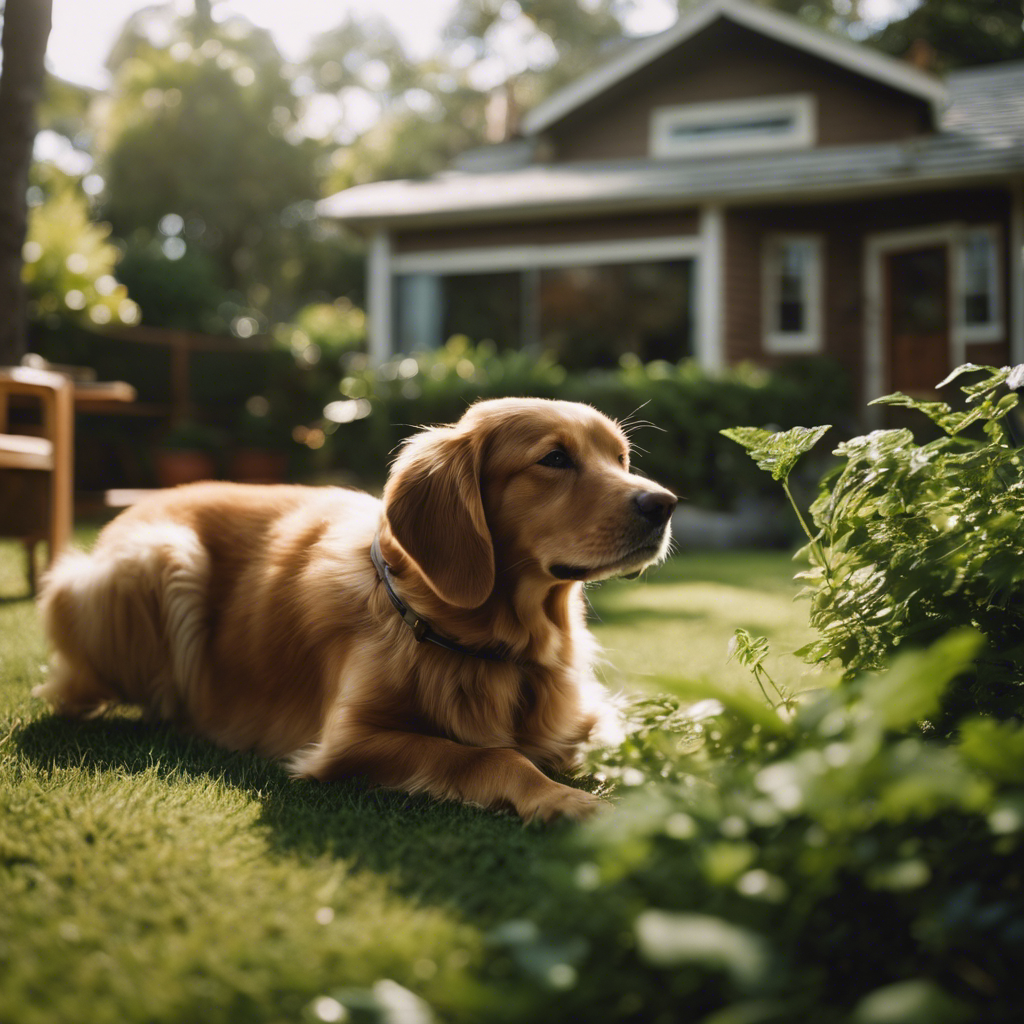
Yes, exterior treatments are safe once they dry. We recommend keeping your dog off the lawn for a few hours after a mosquito or tick treatment. Once the morning dew or the applied spray dries, your dog can run and play in the yard safely.
If you have more questions about our specific processes or the products we use, you can always visit our frequently asked questions page for more detailed information.
Protect Your Home and Your Pets Today
Finding bugs in your living space is stressful, but getting rid of them does not have to be a source of anxiety. You do not have to live with ants in your kitchen or mice in your attic just because you are worried about your furry family members.
By understanding how modern treatments work and taking a few simple precautions, you can easily maintain a clean, bug-free home. The key is to avoid the risks of DIY products and trust the training of licensed professionals. Expert technicians know exactly how to target stubborn pests while keeping your dogs and cats completely out of harm’s way.
If you are dealing with a pest problem and want a solution that prioritizes the safety of your animals, the Nature Guard Pest Control team is here to help. We are pet owners ourselves, and we treat your home with the same care and caution we use in our own. Contact us today to schedule a professional inspection and learn more about our safe, pet-friendly pest control solutions.