
Maintaining a pest-free garden in Tulsa requires a thoughtful approach and a commitment to natural solutions. As gardeners, we understand the desire to create a space that not only flourishes with vibrant plants but also offers a sense of belonging.
In this guide, we will explore various techniques and tips to help you achieve a pest-free garden without resorting to harmful chemicals or expensive treatments. From identifying common garden pests to implementing cultural control methods and organic pest control solutions, we will provide you with the knowledge and tools to protect your garden’s health and beauty.
By incorporating these natural strategies into your gardening routine, you can create a harmonious environment where your plants can thrive and where you can find solace and connection in nature.
Key Takeaways
- Promote biodiversity in your garden by planting a variety of flowers, herbs, and vegetables to attract beneficial insects and deter pests.
- Practice good garden hygiene by removing diseased plants and weeds to prevent the spread of pests.
- Consider using biological control techniques such as attracting beneficial insects and birds, purchasing beneficial insects, using pheromone traps, and introducing nematodes to prey on pests.
- Explore organic pest control solutions like promoting a diverse ecosystem, using row covers, diatomaceous earth, homemade organic sprays, and natural insecticidal soaps or oils.
Identifying Garden Pests
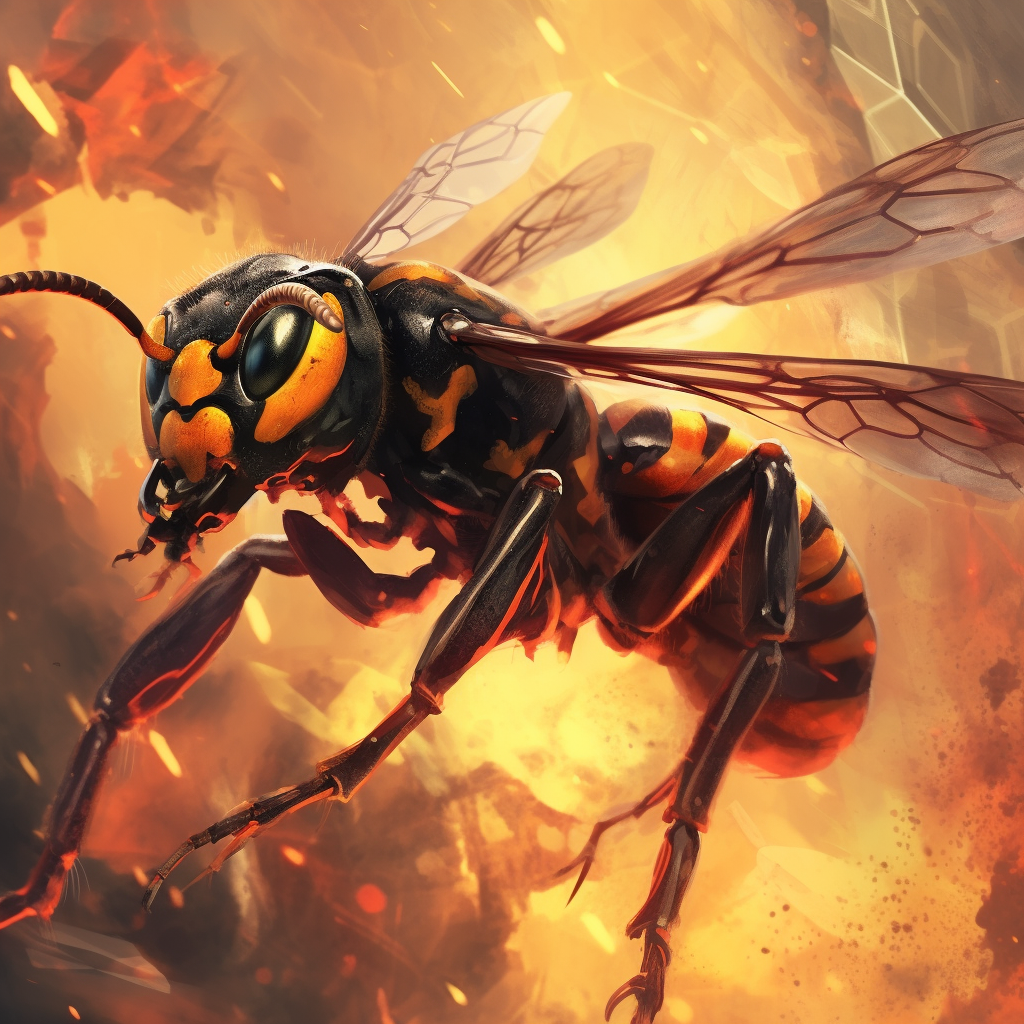
Garden pests can be identified through careful observation and knowledge of their characteristics. It is essential to be able to recognize and differentiate between various types of pests in order to effectively control their population and minimize damage to your garden.
Insects are the most common pests found in gardens, and they can include aphids, caterpillars, beetles, and mites. Good bugs, such as lady beetles, can also be beneficial as they feed on harmful pests. Additionally, certain pests like Colorado potato beetles can be destructive to specific plants, such as potatoes, so it is crucial to be able to identify them early on.
To protect your plants from pests, you can use row covers, which act as physical barriers, preventing insects from reaching your crops while still allowing sunlight and water to pass through.
Cultural Control Methods
Employing cultural control methods is an effective approach to managing pests in your garden. By implementing these methods, you can create a healthy garden environment that is less susceptible to pest infestations.
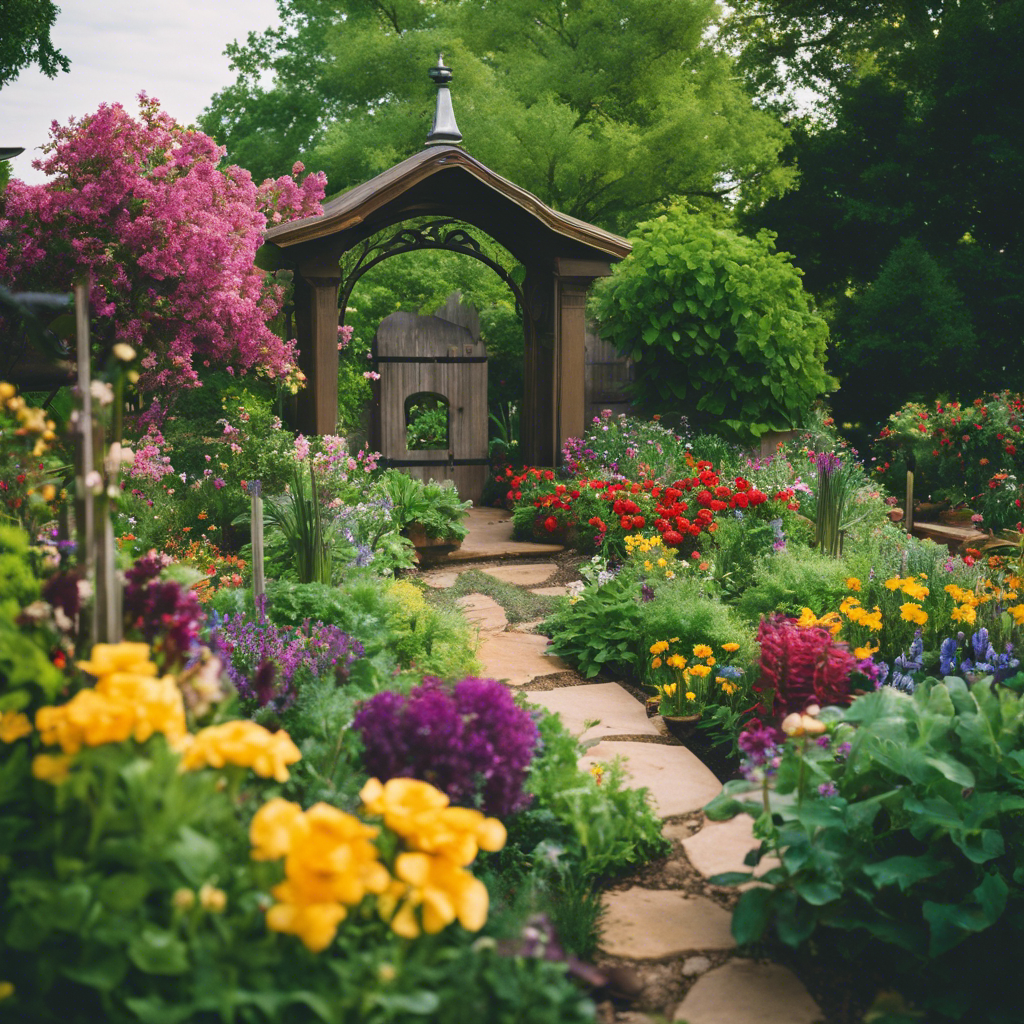
One important aspect of cultural control is promoting biodiversity in your garden. This can be done by planting a variety of flowers, herbs, and vegetables, which attract beneficial insects that prey on garden pests.
Additionally, practicing good garden hygiene, such as removing diseased plants and weeds, can help prevent the spread of common pests and diseases.
Another cultural control method is the use of neem oil, a natural and organic pest control option that is effective against a wide range of garden pests.
Biological Control Techniques
To further enhance pest management in your garden, it is essential to incorporate effective biological control techniques. By implementing these natural solutions, you can keep your garden in Tulsa pest-free throughout the growing season.
Here are some strategies to consider:
- Attract beneficial insects like lady beetles by planting a diverse range of plants in your garden. These insects prey on common pests such as aphids, helping to keep their populations in check.
- Encourage birds to visit your garden by providing bird feeders and water fountains. Birds are natural predators of garden pests and can help control their numbers.
- Consider purchasing beneficial insects from garden centers and releasing them in your vegetable garden. This can provide an immediate solution to pest problems while maintaining a natural approach.
By incorporating these biological control techniques, you can effectively manage pests in your garden.
In the next section, we will explore organic pest control solutions that can further support your efforts.
Organic Pest Control Solutions
To maintain a natural approach to pest management, implementing organic pest control solutions in your garden is crucial. These solutions not only keep pests at bay, but they also prevent harm to beneficial insects and the environment.
One good way to control pests organically is by promoting a diverse ecosystem in your garden. By planting a variety of flowers, herbs, and vegetables, you can attract beneficial bugs like lady beetles, lacewings, and dragonflies, which will naturally prey on pests.
Additionally, using row covers can prevent pests from reaching your plants without resorting to chemicals. Another effective organic solution is diatomaceous earth, a natural substance made from ancient fossils. It works by dehydrating and killing pests, while being safe for humans and pets.
Integrated Pest Management Strategies
Integrated Pest Management (IPM) combines various strategies to effectively manage pests in your garden while minimizing the use of pesticides. By implementing IPM strategies, you will be able to keep your garden healthy and free from pests in a more environmentally friendly way.
Here are some key components of IPM:
- Cultural controls: These involve practices such as planting disease-resistant varieties, practicing crop rotation, and providing a healthy growing environment. These measures help prevent problems by creating conditions that are less attractive to pests.
- Biological controls: This involves using beneficial insects and attracting a diverse range of insects by planting a variety of plants. Birds can also be encouraged in the garden to help control pests naturally.
- Mechanical and physical controls: These include removing pests manually, using traps, barriers, or physical methods to deter pests. For example, using netting to protect plants from stinging insects or handpicking spider mites or squash bugs.
Frequently Asked Questions
How Do I Keep Pests Out of My Garden Naturally?
To keep pests out of your garden naturally, employ companion planting, attract beneficial insects, make homemade organic pest sprays, use natural pest repellents like herbs and flowers, implement physical barriers such as fencing and netting, incorporate organic soil amendments, practice crop rotation, and manage garden debris.
How Do You Control Pests in a Garden Organically?
To control pests in a garden organically, employ companion planting, introduce beneficial insects, make homemade organic pest sprays, use physical barriers, create a diverse ecosystem, attract pollinators, maintain proper watering and soil, remove pest-attracting weeds, and regularly inspect for early pest detection.
How Do I Protect My Garden From Pests?
To protect your garden from pests, utilize companion planting for beneficial partnerships, create a pest-resistant layout, use natural pest repellents like essential oils, attract beneficial insects, employ physical barriers, maintain soil health, utilize organic pest control sprays, introduce natural predators, and practice crop rotation.
How Do I Get a Pesticide Free Garden?
To achieve a pesticide-free garden, utilize organic pest control methods, such as companion planting and creating a beneficial insect habitat. Use physical barriers, natural pest repellents, implement crop rotation, attract pest-eating birds, improve soil, and manage garden waste properly.