

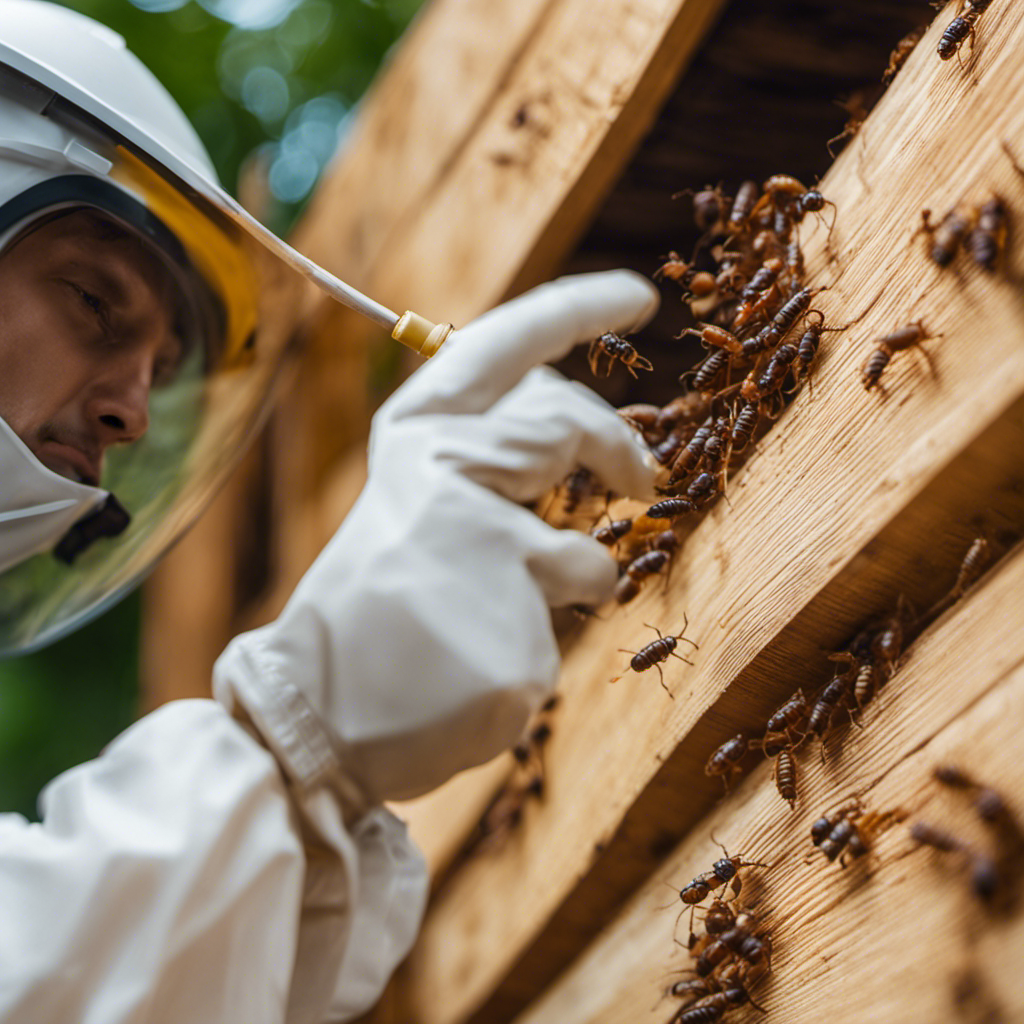
Termites don’t knock on your door and announce themselves. They work behind walls, under floors, and inside support beams for months without a single visible sign. By the time you spot damage, the repair bill is often already high. A termite inspection catches the problem while it’s still small and manageable.
Why Termite Inspections Are Worth Scheduling
Termites cause billions of dollars in damage across the United States every year. Homeowners insurance rarely covers this type of damage either. That leaves the full cost on your shoulders if a colony goes undetected too long.
Oklahoma’s climate makes this risk even higher. Warm springs, humid summers, and regular rainfall create ideal conditions for subterranean termites. These termites live underground and travel through soil to reach the wood in your home. They don’t need to be seen to cause serious harm.
An inspection gives you something DIY checks can’t. A trained eye knows exactly where termites hide and what early activity looks like. Most homeowners miss these signs simply because they don’t know what to look for.
What Inspectors Actually Check For
A termite inspection covers far more than a quick walk around your yard. Inspectors work through a structured process designed to catch even the smallest clues.
Here’s what a typical inspection includes:
- Foundation walls, both inside and outside the home
- Crawl spaces and basements, where moisture often collects
- Wood framing near soil contact points
- Attic spaces and roof structures
- Window sills, door frames, and baseboards
- Any areas with past water damage or leaks
Signs Inspectors Look for on Every Visit
Inspectors know the small details that homeowners tend to overlook. They check for mud tubes running along foundation walls, since these tubes protect termites as they travel between soil and wood. They also look for discarded wings near windows or light fixtures, which often signal a recent swarm.
Hollow-sounding wood is another red flag. Inspectors tap on beams and trim to check for this. Soft or damaged wood, along with bubbling paint that looks like water damage, gets flagged too. Our guide on termite signs in Oklahoma covers these details if you want to check for them yourself between visits.
Tools Inspectors Use Beyond a Flashlight
Modern termite inspections go beyond a basic visual check. Many technicians use moisture meters to find damp areas that attract termites before damage even starts. Some also use sound equipment that detects hollow spaces inside walls.
These tools help catch problems that a simple walkthrough would miss entirely. A wall might look fine on the surface while hiding active termite tunnels just below it.
How Often You Should Schedule an Inspection
Oklahoma’s climate calls for more frequent inspections than drier states. Most pest professionals recommend a full inspection once a year at minimum.
A few situations call for more frequent checks:
- Homes near wooded areas or with heavy mulch beds
- Properties with a history of past termite activity
- Homes with crawl spaces or older wood foundations
- Areas that experienced recent flooding or heavy rain
- Homes being bought or sold, which often require a formal report
Spring tends to be the busiest season for termite activity in Oklahoma. Warm temperatures and rain trigger swarms, which makes late winter or early spring a smart time to schedule an inspection. Catching activity right before swarm season starts gives you a real head start.
Telling Termites Apart From Other Flying Insects
Spring swarms often confuse homeowners, since flying termites look a lot like flying ants at first glance. Both insects show up around the same time of year, which makes misidentification common.
A few small differences separate them. Termites have straight, thick waists, while ants have a pinched, narrow waist. Termite antennae are straight, but ant antennae are bent. Termite wings are equal in length, while ants have shorter back wings.
Getting this wrong can waste weeks. Someone who thinks they have ants may not react quickly, while a termite colony keeps growing the whole time. Our comparison of flying termites versus flying ants walks through the differences in more detail.
Why Early Detection Saves Real Money
Termite colonies grow slowly at first, then speed up once they establish a strong food source. Left alone for months, a colony can chew through structural beams, flooring, and wall framing. Repairs at that stage often reach thousands of dollars.
Early detection changes the outcome completely. A small, newly discovered colony is far easier and cheaper to treat than an established one. Inspectors can also spot conditions that invite termites in the first place, like wood-to-soil contact or excess moisture near the foundation.
Fixing these conditions early often prevents a colony from forming at all. This kind of prevention costs far less than fixing termite damage after the fact.
What Happens After Termites Are Found
Finding termites during an inspection isn’t the end of the world. It just means treatment needs to start soon. Professionals typically use a mix of baiting systems and barrier treatments, depending on the extent of the activity found.
Baiting systems target the colony over time, since worker termites carry bait back to the nest. Barrier treatments create a protective zone around the home that stops termites from reaching the structure at all. Our guide on termite treatment services breaks down how these methods work together.
Protecting Your Home Starts With Awareness
Termite inspections aren’t just a box to check off once a year. They’re one of the most reliable ways to catch a serious problem before it turns into a costly one. Oklahoma’s climate makes this even more important, since conditions here favor termite activity almost year-round.
For more prevention tips and pest identification resources, visit the Nature Guard knowledge hub or explore Nature Guard’s full range of services built for Oklahoma homes.