
Did you know that pest control not only helps in maintaining a clean environment but also plays a significant role in safeguarding public health? As you go about your daily routine, you might not realize the potential health risks that pests can introduce into your surroundings. Stay tuned to discover the intricate connection between pest management and public health, and how it impacts communities on a larger scale.
Key Takeaways
- Nature Guard pest control prevents disease transmission and protects public health.
- Integrated pest management reduces risks of vector-borne diseases like Zika and West Nile Virus.
- Pest control services minimize allergic reactions caused by pests such as cockroaches and dust mites.
- Expertise in pest management ensures targeted and efficient control measures for a healthy environment.
- Safety of pest treatments is guaranteed through environmentally friendly products and strict safety standards.
Public Health Impacts of Pest Infestations
Pest infestations present a serious threat to public health by facilitating the transmission of diseases and triggering allergic reactions and respiratory issues in affected populations. Protecting public health necessitates implementing strong preventative measures against these risks. Cockroaches, rodents, and mosquitoes, commonly found in pest infestations, can worsen allergies, asthma, and spread diseases like malaria, dengue fever, and Lyme disease. This poses a significant challenge to public health agencies working to mitigate these health impacts. Additionally, pests contaminate food supplies, carrying pathogens such as salmonella and E. coli, further jeopardizing public health by compromising food safety.
In light of these dangers, effective pest management is essential to safeguard public health. Inadequate pest control measures can lead to outbreaks of illnesses and infections, highlighting the importance of proactive intervention strategies. Public health agencies play a crucial role in educating communities about the risks associated with pest infestations and promoting preventive measures to uphold public health standards. By addressing these issues, significant strides can be made towards protecting public health from the adverse impacts of pest infestations.
Vector-Borne Diseases and Pest Control
In the domain of public health, the management of vector-borne diseases through effective pest control measures is paramount. Vector-borne diseases, such as malaria, dengue fever, Lyme disease, and West Nile virus, are transmitted by insects like mosquitoes, fleas, and ticks. To protect public health, it is essential to prevent pest infestations and control vector populations. Vector control programs are crucial in targeting breeding sites and implementing measures to reduce insect numbers, thereby lowering the risk of disease transmission. Public health agencies work closely with pest control professionals to develop strategies that effectively mitigate the spread of vector-borne diseases. By focusing on eliminating vectors and reducing human exposure to them, these collaborative efforts play a significant role in safeguarding public health.
| Importance of Vector Control in Public Health |
|---|
| Prevents the spread of vector-borne diseases |
| Reduces insect populations and breeding sites |
| Collaborative effort between agencies and pest control professionals |
Zoonotic Diseases and Pest Management
Zoonotic diseases, which can be transmitted from animals to humans, pose important public health risks necessitating effective pest management strategies. Pests like rodents and raccoons are common carriers of zoonotic diseases such as leptospirosis and rabies. These diseases can be spread to humans through bites, scratches, or contact with contaminated animal waste.
Implementing strong pest management measures is essential in preventing the transmission of zoonotic diseases within communities. By controlling pest populations and their access to human environments, the risk of zoonotic disease outbreaks can be greatly reduced.
Public education plays a critical role in raising awareness about zoonotic diseases and the importance of proper pest management practices. Promoting understanding and proactive measures against zoonotic diseases through pest control not only safeguards public health but also contributes to overall community well-being.
Pest Control Measures for Food Safety
In order to guarantee excellent food safety standards, it’s vital to implement stringent pest control measures targeting common food-contaminating pests such as rodents, insects, and birds. Pests like rodents, insects, and birds can contaminate food supplies, posing a significant risk to food safety.
Stored product insects such as silverfish and weevils have the potential to damage stored food items, leading to food spoilage. Additionally, rats, mice, and cockroaches are carriers of harmful organisms that can contaminate food, resulting in foodborne illnesses.
Birds, ants, wasps, and flies also play a role in compromising food safety by contaminating food sources with pathogens. Effective pest control measures are essential for preventing foodborne illnesses and maintaining high standards of food safety.
Allergies and Respiratory Health Concerns
Addressing allergens from common indoor pests like cockroaches and dust mites is essential for improving respiratory health and reducing allergy triggers. Cockroach saliva, feces, and body parts contain potent allergens that can trigger allergic reactions and exacerbate asthma symptoms in susceptible individuals. Similarly, dust mites, microscopic creatures found in bedding, upholstery, and carpets, produce allergenic proteins in their droppings that can lead to allergic reactions in millions of people worldwide.
Allergies to dust mites can vary from mild symptoms such as sneezing and nasal congestion to more severe manifestations like asthma attacks, particularly affecting children and the elderly. These indoor pests play a significant role in indoor environments, where they thrive and contribute to respiratory health concerns. Effective pest control measures are vital in managing infestations, reducing exposure to these allergens, and ultimately improving the respiratory health of individuals vulnerable to allergic reactions in indoor settings.
Pest Control Companies and Disease Prevention
Pest control companies strategically target disease-carrying vectors like mosquitoes, rodents, and cockroaches to prevent outbreaks effectively.
By eradicating these pests, professional services make a substantial contribution to public health benefits, reducing the risk of vector-borne and zoonotic diseases within communities.
The expertise and proactive measures employed by pest control professionals play a crucial role in safeguarding public health from the threats posed by disease-carrying pests.
Disease Vectors Controlled
Targeting disease vectors like mosquitoes, cockroaches, and ticks is essential in the efforts to prevent the spread of diseases such as Zika, Dengue, and Lyme disease. Pest control companies play an important role in reducing the risk of transmission through various control methods.
By implementing effective pest control measures, the transmission of vector-borne diseases like West Nile Virus, Plague, and Rickettsiosis can be greatly minimized. These control methods focus on managing pests that can carry dangerous pathogens, thereby addressing public health concerns.
Pest control services also target disease vectors such as fleas, mice, and flies to decrease the likelihood of diseases like Cat Scratch Fever, Hantavirus, and E. Coli infections. Through strategic interventions, pest control professionals contribute to a substantial reduction in public health risks associated with vector-borne illnesses.
Preventing Outbreaks Effectively
In effectively managing pest populations, pest control companies play a vital role in preventing disease outbreaks through strategic interventions and preventative measures. By preventing infestations and controlling vectors such as mosquitoes and rodents, these professionals greatly reduce the risk of disease transmission within communities.
The implementation of preventive measures by pest control companies is essential in lowering the likelihood of public health crises caused by pests. Disease prevention strategies executed by pest control professionals contribute to creating a safer environment for society at large.
It’s imperative for pest control companies to collaborate closely with public health agencies to proactively prevent outbreaks and safeguard public health. The expertise and actions of these professionals are essential in maintaining a healthy and disease-free environment for all.
Public Health Benefits
By effectively managing pest populations, professional pest control companies make a substantial contribution to disease prevention and public health protection. Through integrated pest management strategies, these companies play an essential role in eliminating pests that serve as carriers of diseases such as Zika, West Nile Virus, and Lyme Disease.
By controlling vector pests like mosquitoes, cockroaches, and rodents, the risks of disease transmission are greatly reduced. Additionally, pest control services help minimize allergic reactions caused by pests such as cockroaches, dust mites, and bed bugs.
Not only does pest control aid in disease prevention, but it also prevents property damage by safeguarding structures from pest-related destruction and contamination. Environmental protection is further enhanced through practices like Integrated Pest Management, which focuses on non-toxic methods for pest management.
Expert Pest Infestation Assistance
For those facing pest infestations, seeking expert assistance from pest control professionals is essential in effectively identifying and eradicating the issue. Pest control experts play an important role in public health by utilizing their specialized knowledge to understand pest behavior, lifecycles, and implementing targeted control measures. Companies like Nature Guard make sure their professionals undergo rigorous training to efficiently resolve pest problems. Understanding the hazards pests pose is necessary for implementing safe and effective pest control methods, which ultimately contributes to maintaining public health by safeguarding against pest-borne diseases.
These professionals are equipped with the necessary tools and expertise to tackle a wide range of pest infestations, from common insects to rodents. By relying on their expertise, individuals can benefit from tailored solutions that address the specific pest issues they’re facing. Additionally, the systematic approach employed by pest control professionals ensures a thorough inspection, precise identification of pests, and the implementation of appropriate control strategies. Overall, expert pest infestation assistance is crucial for effectively managing pest problems and protecting public health.
Importance of Professional Pest Control
When considering the significance of professional pest control, it’s essential to acknowledge the expertise in pest management that professionals bring, ensuring effective and targeted pest eradication.
Safety of pest treatments is also a key factor, as trained professionals use environmentally friendly methods to control pests without causing harm.
Additionally, the long-term pest prevention strategies implemented by pest control specialists help maintain public health standards and reduce the risk of diseases transmitted by pests.
Expertise in Pest Management
With specialized knowledge and expert training, professional pest control services excel in identifying, managing, and eradicating various pests effectively.
- Pest management professionals possess in-depth understanding of pest behavior, lifecycle, and control methods.
- Their expertise guarantees targeted and efficient pest control measures without causing harm to people or the environment.
- Professional pest control services prioritize extensive knowledge of pest hazards for effective eradication.
- Utilizing the skills of pest management professionals is essential for maintaining a pest-free and healthy environment.
Safety of Pest Treatments
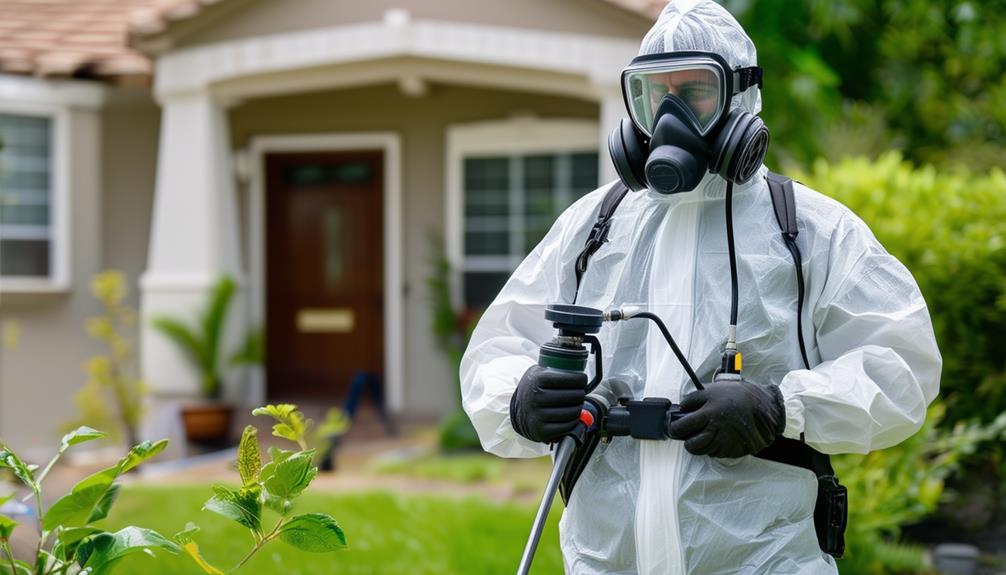
Drawing from the expertise of pest management professionals, the safety of pest treatments is paramount in guaranteeing the well-being of both occupants and the environment. Professional pest control treatments adhere to strict safety standards to protect individuals and surroundings. By utilizing environmentally friendly and approved products, professionals mitigate risks to occupants while effectively managing pests. The proper training and certification of pest control experts guarantee the secure application of treatments, upholding safety at all times. Safety data sheets (SDS) for pest control products offer critical information on handling procedures and potential risks, enhancing safety protocols. Regular monitoring and evaluation of pest control measures are essential for maintaining high safety standards and safeguarding public health.
| Safety Standards | Importance | Effectiveness |
|---|---|---|
| Ensure well-being | Mitigate risks | Secure application |
| Environment safety | Proper training/certified | Safety data sheets |
| Occupant protection | Monitoring & evaluation | Maintain high standards |
Long-Term Pest Prevention
Implementing long-term pest prevention strategies through professional pest control services is essential for maintaining a sustained, pest-free environment. Here are four important reasons why professional pest control is essential for preventing diseases and implementing Integrated Pest Management:
- Customized Treatment Plans: Professionals offer tailored solutions based on thorough inspections to address potential pest issues effectively.
- Integrated Pest Management (IPM) Techniques: Utilizing a combination of methods like sanitation, exclusion, and monitoring to prevent pest problems.
- Regular Monitoring: Professionals conduct routine checks and follow-up visits to maintain a pest-free environment over the long term.
- Expertise in Pest Behavior: Professionals identify entry points, behavior patterns, and conducive conditions to prevent future infestations efficiently.
Promoting Health Through Pest Management
To promote health through pest management, it’s essential to implement effective strategies that target disease-carrying pests and minimize health risks in communities. Preventing diseases such as Zika, Dengue, and West Nile Virus, which are transmitted by mosquitoes, is important. Additionally, controlling rodents like rats helps reduce the risk of illnesses such as hantavirus and leptospirosis, thereby safeguarding public health.
Cockroach control measures are essential as they can mitigate asthma and allergy triggers, promoting better respiratory health in communities. Professional pest control services play a significant role in preventing property damage caused by pests, thereby reducing economic losses and maintaining public health standards.
Public education on the importance of pest control enhances community awareness and empowers individuals to take preventive measures for a healthier living environment. By focusing on these aspects, pest management not only addresses immediate health concerns but also contributes to the overall well-being of the population.
Frequently Asked Questions
What Is the Role of the Pest Control?
In maintaining balance, the role of pest control involves managing pest populations, mitigating environmental impact, and practicing sustainable methods. It is essential for safeguarding public health and ensuring a healthier living environment for all.
Why Are Pesticides a Public Health Issue?
Pesticides are a public health issue due to their environmental impact and potential risks from chemical exposure. Resistance development in pests necessitates exploring alternative methods to control them effectively while mitigating health concerns for the population.
Why Is Pest Control so Important to Human Disease Prevention?
Pest control is essential for human disease prevention. By managing vectors like mosquitoes and ticks, we reduce disease transmission. Integrated pest management protects the environment and community health. You play an important role in keeping diseases at bay.
How Does Pest Control Benefit Humans?
Pest control benefits you by implementing preventive measures to safeguard against vector-borne diseases and property damage. It also positively impacts the environment through sustainable practices like integrated pest management, promoting a healthier and safer community.