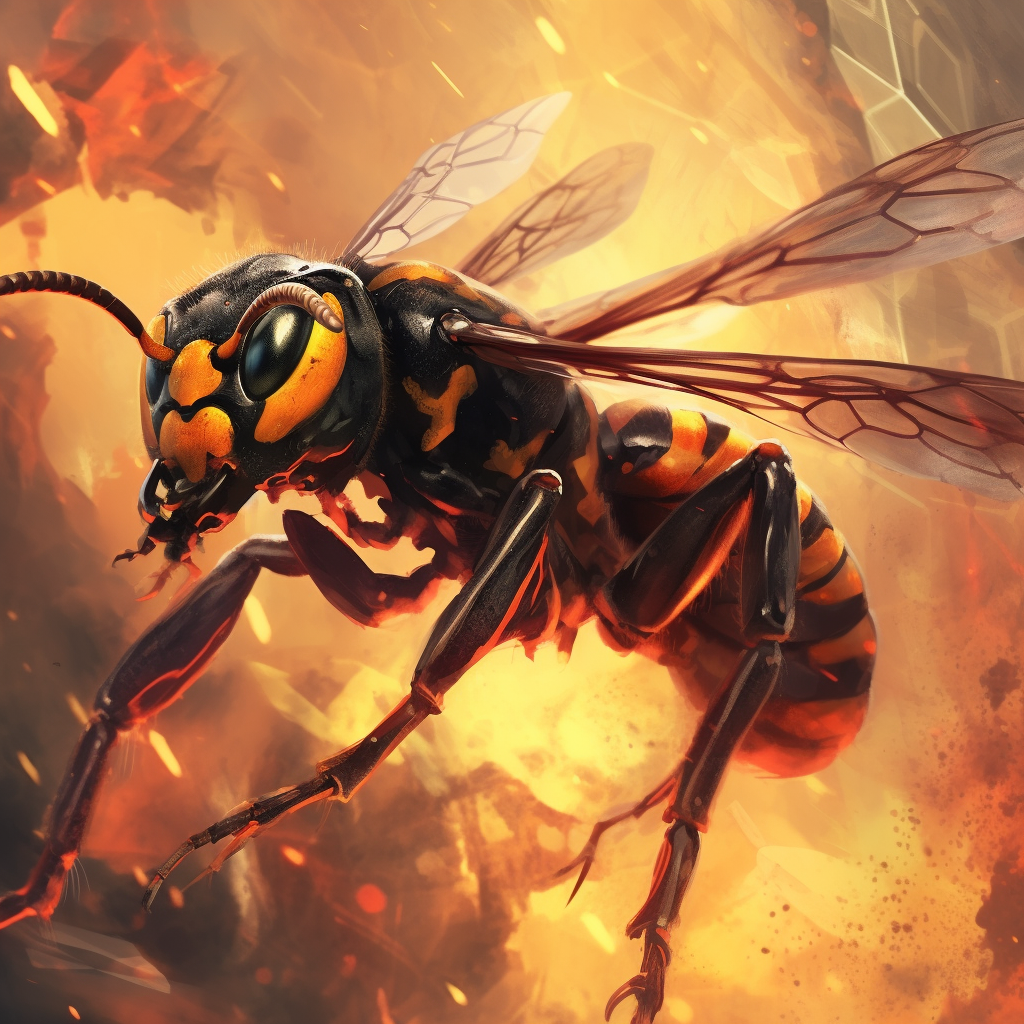


Pest control plays a vital role in Tulsa’s agricultural sector, safeguarding the valuable crops and livestock that contribute to the region’s prosperity.
As farmers strive to meet the growing demand for food, they face numerous challenges posed by pests such as diseases, insects, and weeds. These threats have the potential to cause significant damage and financial losses.
To combat this, farmers employ various pest control strategies, including the careful use of pesticides, the implementation of biological control methods, and the adoption of integrated pest management (IPM) techniques. By combining these approaches, farmers can develop sustainable and environmentally-friendly pest control strategies.
Effective pest control measures not only protect crops and livestock but also promote the sustainability and resilience of Tulsa’s agricultural sector, fostering a sense of belonging and security within the farming community.
Key Takeaways
- Pest control in Tulsa’s agricultural sector safeguards crops and livestock from pests, mitigating risks and potential losses.
- Effective pest control techniques such as integrated pest management (IPM) strategies and genetically engineered crops with pest-resistant traits are utilized.
- Pest control in crop protection involves the use of pesticides to control weed growth, insect infestations, and disease spread, while minimizing reliance on pesticides and reducing environmental impact.
- Pest control in livestock management ensures the well-being of animals, by controlling insects that harm livestock, preventing diseases transmitted by insects, and reducing health hazards and physical discomfort.
Importance of Pest Control
Pest control plays a vital role in safeguarding Tulsa’s agricultural sector by mitigating the risks posed by pests to crops and livestock. The use of pesticides and integrated pest management (IPM) techniques helps to increase crop yields and protect the agricultural industry from potential losses.
The Department of Agriculture recognizes the importance of effective pest control and promotes the use of IPM strategies to minimize reliance on pesticide application. By continuously monitoring pest populations and identifying pests and their life cycles, farmers can implement appropriate control measures based on pest thresholds.
Additionally, genetically engineered pest management traits have proven to be effective in reducing the impact of pests on agriculture. These techniques not only protect crops and livestock but also reduce health hazards and prevent property damage caused by pests.
In the subsequent section, we will explore some of the most effective pest control techniques used in Tulsa’s agricultural sector.
Effective Pest Control Techniques
To effectively protect crops and livestock in Tulsa’s agricultural sector, implementing a range of pest control techniques is crucial. Farmers utilize various control methods to combat pests and minimize the damage to plants and animals. These techniques include the use of pesticides, integrated pest management (IPM), and genetically engineered crops.
Pesticides play a significant role in pest control by targeting specific pests and reducing infestations. IPM combines the use of pesticides with biological control methods, such as the introduction of natural enemies, to develop sustainable and environmentally-friendly strategies. Genetically engineered crops with herbicide tolerance traits and insect-resistant traits have also proven effective in reducing the need for excessive pesticide applications.
By employing these control methods during the growing season, farmers can prevent diseases caused by pests and protect a larger treated area. This ensures the health and productivity of crops and livestock.
In the subsequent section, we will delve into the specific pest control techniques used in crop protection.
Pest Control in Crop Protection
Implementing effective pest control measures is crucial for safeguarding crops and livestock in Tulsa’s agricultural sector, ensuring minimal damage from pests and optimal productivity.
Pest control in crop protection involves the use of various strategies and tools to manage pests that can cause harm to plants and animals. Farmers rely on pesticides, such as herbicides, insecticides, and fungicides, to combat weed growth, control insect infestations, and prevent the spread of diseases. Integrated Pest Management (IPM) techniques, which combine multiple approaches such as biological control and cultural practices, are also employed to reduce reliance on pesticides and minimize environmental impact.
By implementing these pest control measures, farmers can protect their crops from potential damage and maintain a healthy agricultural sector.
Transitioning into the subsequent section about pest control in livestock management, it is essential to highlight the importance of pest control in ensuring the well-being of animals.
Pest Control in Livestock Management
In the realm of safeguarding crops and livestock in Tulsa’s agricultural sector, effective pest control in livestock management plays a crucial role in ensuring the well-being of animals.
Pest control, including the use of pesticides, is widely used to control insects that can harm livestock. These pesticides are often applied to animals or their living environments to prevent and control infestations.
The primary benefits of pest control in livestock management are the prevention of diseases and the reduction of health hazards. By controlling pests, livestock are protected from potential diseases transmitted by insects, such as ticks and flies. Additionally, pest control measures help reduce health hazards caused by pests, which can lead to physical discomfort and stress in animals.
The well-being of livestock is essential for maintaining a productive and sustainable agricultural sector in Tulsa.
Transitioning into the subsequent section, the economic impact of pest control in agriculture is significant.
Economic Impact of Pest Control in Agriculture
One significant factor in the agricultural sector of Tulsa is the economic impact of pest control. Effective pest control practices have a direct influence on the financial well-being of farmers and the overall agricultural industry. Here are four key points that highlight the economic impact of pest control in agriculture:
- Reduction in crop losses: Pest control measures, such as the use of pesticides and integrated pest management techniques, help minimize crop damage caused by pests. By protecting crops from diseases, insects, and weeds, farmers can increase their yields and overall profitability.
- Preservation of livestock health: Livestock can also be affected by pests, leading to decreased productivity and increased healthcare costs. Implementing pest control strategies ensures the well-being of livestock, reducing economic losses for farmers.
- Cost savings: Investing in pest control measures, such as the use of environmentally friendly pesticides and biological control methods, can lead to long-term cost savings. By preventing pest infestations and minimizing crop losses, farmers can avoid expensive damage control measures and maintain a more stable economic position.
- Economic stability: Sustainable pest management practices contribute to the long-term economic stability of the agricultural sector in Tulsa. By protecting crops and livestock from pests, farmers can maintain consistent yields and profitability, ensuring a sustainable and thriving agricultural industry.
Frequently Asked Questions
Why Do We Use Pest Control in Agriculture?
Pest control in agriculture is essential to protect crops and livestock from the economic impact of pests. Integrated pest management, including natural methods and technology, minimizes environmental consequences while implementing sustainable practices and addressing challenges in pest control.
What Are the Solutions to Pest Control in Agriculture?
There are several solutions to pest control in agriculture, including organic alternatives, integrated pest management, biological controls, crop rotation, trap crops, genetic resistance, and monitoring and scouting. These methods aim to protect crops and livestock effectively and sustainably.
What Is the Pest Management of Crops?
Pest management of crops involves an integrated approach that combines natural predators, crop rotation, biological control, chemical pesticides, genetic resistance, and cultural practices. This comprehensive strategy aims to effectively control pests while minimizing environmental impact and promoting sustainable agriculture.
What Do Farmers Use to Protect Their Crops From Pests?
Farmers use a combination of natural alternatives, integrated pest management, crop rotation, biological control, chemical pesticides, physical barriers, and genetic resistance to protect their crops from pests.