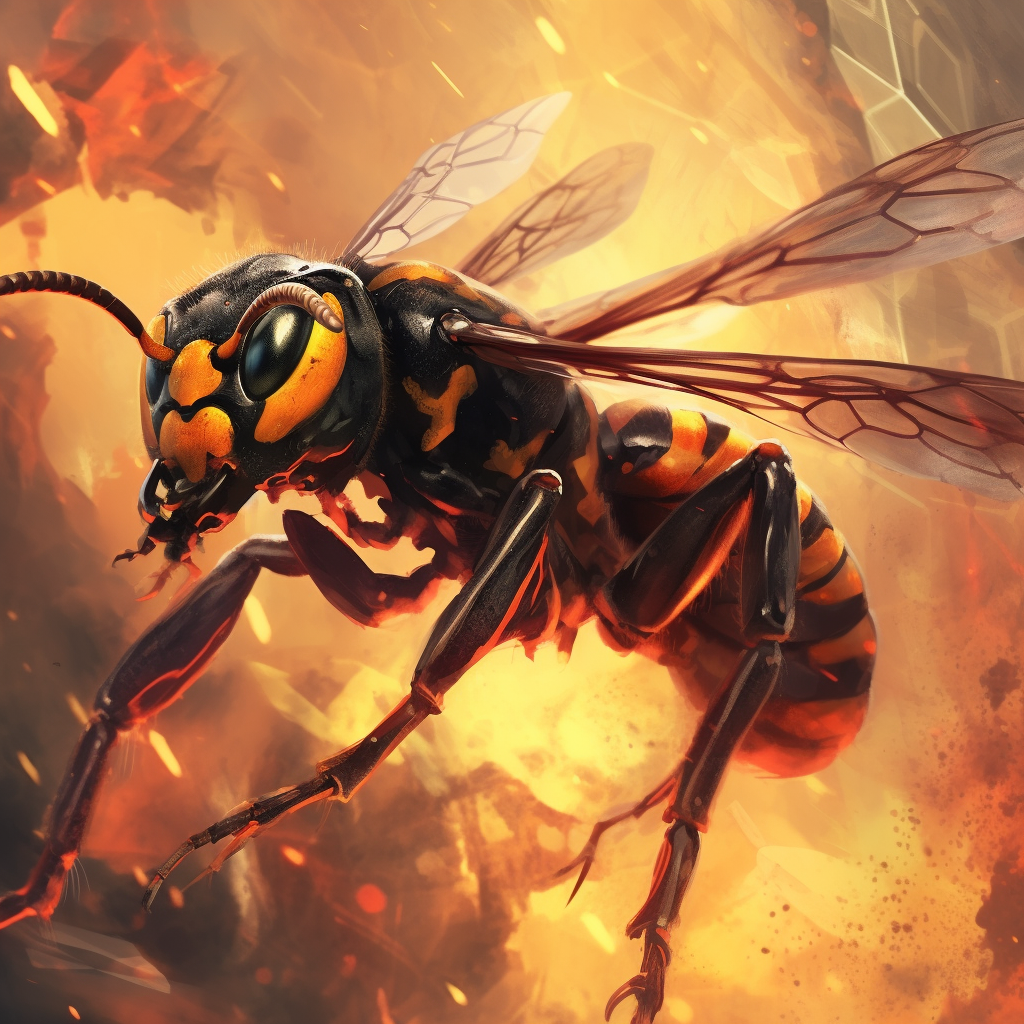


Pests are a common nuisance that can cause significant damage to both our homes and our health. In this article, we will explore four examples of pests that pose a threat to human well-being: ants, mosquitoes, rats, and termites.
By understanding their characteristics and behaviors, we can better equip ourselves with the knowledge needed to prevent and protect against these pests, ultimately ensuring the safety and comfort of our living spaces.
Ants are small insects that form highly organized colonies, often invading our homes in search of food and shelter. While most ants are harmless, certain species, such as carpenter ants, can cause structural damage by burrowing into wood.
Mosquitoes, on the other hand, are notorious for their ability to transmit diseases such as dengue fever, malaria, and Zika virus. These tiny insects thrive in warm and humid environments, making them a common pest in many regions across the globe.
Rats, although small in size, can cause extensive damage to properties by gnawing on wires, chewing through pipes, and contaminating food sources. Moreover, they are carriers of various diseases, including leptospirosis and hantavirus.
Lastly, termites are highly destructive pests that feed on wood, posing a significant threat to the structural integrity of buildings. Their ability to silently and swiftly consume wooden structures makes them a formidable enemy for homeowners and property managers.
By familiarizing ourselves with these four examples of pests, we can take proactive measures to prevent their infestation and protect our living spaces. Whether it be sealing cracks and crevices to thwart ant invasions or implementing mosquito control measures such as removing standing water, understanding the behavior and habits of these pests empowers us to take necessary actions to safeguard our homes and communities.
Ants
Ants are one of the most common and persistent pests found in residential and commercial environments. They are small insects that live in colonies and forage for food in large numbers.
Ant infestations can be a nuisance as they invade homes and contaminate food sources. To prevent ants from entering a property, it is important to eliminate possible entry points by sealing cracks and gaps in the walls, windows, and doors. Additionally, keeping the surrounding area clean and free of food debris can discourage ants from visiting.
Mosquito control is another aspect to consider, as mosquitoes are not only a nuisance but can also transmit diseases. Mosquito breeding grounds should be eliminated by regularly emptying and cleaning containers that collect water, such as flower pots and bird baths.
Moving on to mosquitoes, these insects are known for their itchy bites and their ability to transmit diseases such as malaria, dengue fever, and Zika virus. Mosquitoes thrive in areas with standing water, as it provides an ideal breeding ground for their larvae.
To control mosquito populations, it is important to eliminate any stagnant water sources around the property. This can be done by regularly emptying and cleaning gutters, birdbaths, and flower pots. Additionally, using mosquito repellents and wearing protective clothing can reduce the risk of mosquito bites.
Understanding the habits and prevention methods of both ants and mosquitoes can help create a pest-free environment and ensure the well-being of individuals and communities.
Mosquitoes
Mosquitoes, known for their ability to transmit diseases, are often considered a significant nuisance due to their persistent biting behavior and widespread distribution. These tiny insects are responsible for spreading a variety of diseases, making them a major concern for public health.
In order to minimize the impact of mosquitoes on human populations, mosquito control measures are implemented to reduce their numbers and prevent the transmission of mosquito-borne diseases.
To evoke emotion in the audience, consider the following unordered bullet list:
- Itching and discomfort caused by mosquito bites can be highly irritating and disrupt daily activities.
- Mosquitoes are responsible for transmitting diseases such as malaria, dengue fever, Zika virus, and West Nile virus.
- Mosquito-borne diseases can have severe consequences, including death, especially in regions with limited access to healthcare.
- Mosquitoes are known for their ability to breed and thrive in various environments, making them difficult to eradicate.
- Effective mosquito control strategies include eliminating standing water, using insect repellents, and implementing insecticide treatments.
Understanding the importance of mosquito control and the potential risks associated with mosquito-borne diseases is crucial for public health. Transitioning into the subsequent section about rats, it is important to explore the impact of another common pest on human populations.
Rats
Rats are notorious pests that can cause extensive property damage. They have a tendency to chew on wires, insulation, and wooden structures, leading to potential fire hazards and structural instability.
Additionally, rats can spread diseases through their droppings, urine, and saliva, posing a serious health risk to humans. These diseases include leptospirosis, hantavirus, and salmonellosis, among others.
Extensive property damage
Carpenter bees, known for their destructive burrowing habits, can cause extensive property damage by tunneling through wood structures. According to a study conducted by the National Pest Management Association, these bees can cause an average of $3,000 worth of damage to homes annually. This significant cost of repairs can be avoided by implementing effective prevention methods, such as sealing any cracks or openings in wooden structures, using paint or varnish to protect the surface, and regularly inspecting and maintaining the property.
To evoke a sense of concern and urgency, it is important to highlight the potential consequences of carpenter bee infestations. These consequences include the gradual weakening of wood structures, which can compromise the integrity of a building over time. Additionally, the presence of carpenter bees can attract other pests, such as woodpeckers, who feed on the larvae and worsen the damage. The destructive nature of carpenter bees not only poses a financial burden on homeowners but also affects the overall aesthetics and value of the property.
Moving on to the next section about the spread of diseases through droppings, it is important to address another significant issue caused by pests.
Spread of diseases through droppings
The presence of certain animals in our environment can pose a serious health risk due to the spread of diseases through their droppings. Pest droppings can contain harmful bacteria, viruses, and parasites that can cause a wide range of illnesses in humans.
For example, rodent droppings can carry hantavirus, which can lead to a severe and sometimes fatal respiratory illness. Bird droppings, particularly from pigeons, can harbor fungi such as Cryptococcus, which can cause respiratory infections in individuals with weakened immune systems. Additionally, bat droppings, also known as guano, can contain histoplasma fungi that can cause a lung infection known as histoplasmosis.
Proper cleaning and sanitation are crucial in preventing the spread of diseases from pest droppings. It is important to remove and dispose of droppings safely and effectively to minimize the risk of contamination. This includes wearing protective gear, such as gloves and masks, while cleaning and disinfecting the affected areas.
Regular and thorough cleaning of areas that are prone to pest infestations, such as attics, basements, and crawl spaces, is essential to prevent the accumulation of droppings and the potential spread of diseases. In addition to cleaning, maintaining good hygiene practices, such as washing hands thoroughly with soap and water after handling any potentially contaminated materials, is vital to prevent the transmission of diseases.
With the knowledge of the health risks associated with pest droppings and the importance of proper cleaning and sanitation, it is crucial to address the issue of termites in order to protect both our health and property.
Termites
Termites, the silent destroyers of wooden structures, can cause extensive damage if left untreated. These small insects feed on cellulose, which is found in wood and other plant materials. They can enter homes through cracks and crevices, and once inside, they create tunnels and galleries within the wooden structures, weakening them over time.
One of the signs of a termite infestation is the presence of mud tubes along the foundation of a building. These tubes are used by termites to travel from their nests to their food source. Additionally, discarded wings near windowsills or doors can indicate the presence of swarming termites. It is important to be vigilant and identify these signs early on to prevent further damage.
Prevention methods and protection measures are crucial in dealing with termite infestations. Regular inspections by trained professionals can help identify any signs of termite activity and take appropriate action. Treating the soil around the foundation of a building with termiticides can create a barrier that deters termites from entering.
Another preventive measure is to minimize moisture in and around the house, as termites are attracted to damp environments. Proper ventilation, fixing leaks, and redirecting water away from the foundation can help in reducing moisture levels. It is essential to address any wood-to-soil contact, such as wooden posts or structures directly touching the ground, as this provides easy access for termites.
By implementing these prevention and protection measures, homeowners can safeguard their properties against the destructive effects of termite infestations, ensuring the longevity of their structures.
Prevention and protection measures
One effective strategy for preventing and protecting against termite infestations involves regular inspections by trained professionals to identify signs of termite activity and take appropriate action.
Pest identification is crucial in this process, as termites can often remain hidden and go unnoticed until significant damage has already been done.
Trained professionals have the expertise to identify the subtle signs of termite presence, such as mud tubes, discarded wings, or hollow-sounding wood.
By conducting regular inspections, these professionals can catch termite infestations early on, allowing for prompt and targeted treatment.
In addition to regular inspections, various pest control methods can be employed for termite prevention and protection.
Physical barriers, such as metal mesh screens or sand barriers, can be installed around the foundation of a building to prevent termites from accessing the structure.
Chemical treatments, such as liquid termiticides or termite baits, can also be used to create a protective barrier or eliminate termite colonies.
These methods are often best implemented by professionals who have the knowledge and experience to apply the treatments effectively.
By combining regular inspections with appropriate pest control methods, individuals can significantly reduce the risk of termite infestations and protect their properties from costly damage.
Frequently Asked Questions
How do ants communicate with each other?
Ants communicate through pheromones, chemical signals that convey information within the colony. They use different pheromones to mark trails, signal danger, and coordinate tasks. Communication is crucial for maintaining the complex social hierarchy within an ant colony.
What is the life cycle of a mosquito?
Mosquitoes undergo a complete metamorphosis, transitioning through four distinct life stages: egg, larva, pupa, and adult. Breeding in stagnant water, they pose a significant threat to human health, transmitting diseases such as malaria, dengue fever, and Zika virus.
How can I identify if there are rats in my home?
To identify rats in your home and signs of rat infestation, look for droppings, gnaw marks on wood or wires, greasy rub marks along walls, and a strong ammonia-like smell. Professional pest control can provide further assistance.
What are the different types of termites and their characteristics?
What are the different types of termites and their characteristics? Termite species can differ in behavior and habits. For example, subterranean termites construct mud tubes while drywood termites infest wooden structures. Understanding their characteristics is crucial for effective termite control.
Are there any natural remedies to prevent pests?
Natural remedies to prevent pests include using essential oils, such as peppermint or lavender, to repel insects, creating DIY traps using vinegar or sugar, maintaining a clean and clutter-free environment, and implementing natural predators like ladybugs or nematodes.