

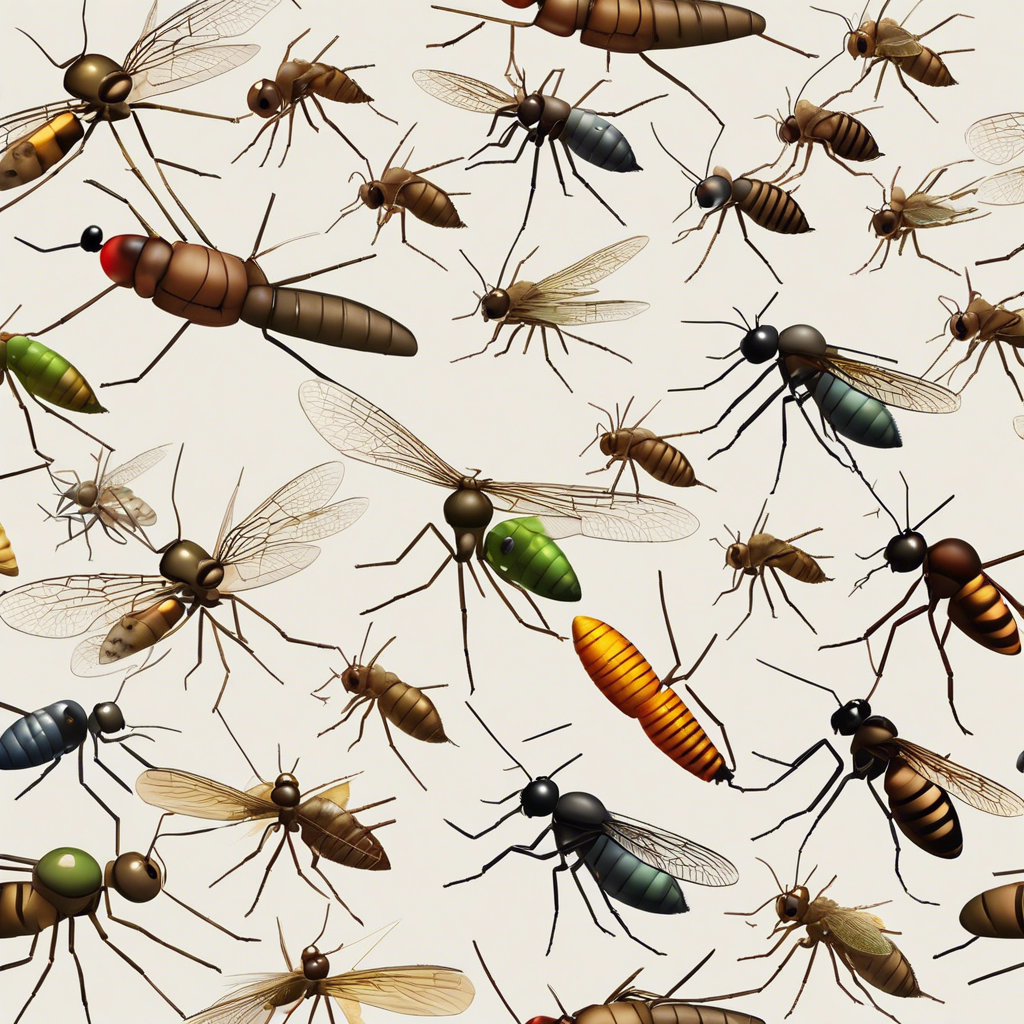
You spot something small moving across the counter and lean in for a closer look. It’s gone before you can get a good glimpse. Tiny bugs are some of the hardest pests to identify, mostly because they’re easy to miss and even easier to mistake for something else. This guide breaks things down by location, since where you find a bug often tells you more than what it looks like.
Why Location Matters More Than Appearance
Tiny bugs can look similar to the naked eye, especially without a magnifying glass or a clear photo. Size, color, and speed all blur together when something is moving fast across a countertop.
Location narrows things down fast. A bug near a fruit bowl behaves differently than one crawling along a windowsill, and both are different from something found in carpet fibers. Pairing location with a few visible details gives you a much stronger starting point than trying to identify a bug from appearance alone.
What’s Crawling Around My Kitchen?
Kitchens attract more tiny bugs than almost any other room, mostly because of food access and moisture near sinks. A few common culprits show up here more than others.
Small ants are one of the most frequent kitchen visitors, usually spotted in a thin trail leading to a food source or water spot. Pantry pests are another common kitchen find, especially in cereal boxes, flour, or dry goods left open for a while. These tiny moths or beetle-like bugs often go unnoticed until an open container reveals small larvae or webbing inside.
Fruit flies round out the list, typically appearing suddenly around ripening produce or near drains. Their tiny size and quick, hovering flight make them easy to spot but hard to swat.
What Are the Small Bugs Near My Bathroom Sink or Drain?
Bathrooms create a different set of conditions than kitchens, mostly centered around moisture rather than food.
Small flying bugs near drains are often drain flies, which breed in the damp organic buildup inside pipes rather than anywhere visible. They tend to look fuzzy and move in short, weak flights rather than darting quickly like fruit flies.
Ants also show up frequently in bathrooms, drawn in by leaks or condensation around sinks and tubs. If ants keep appearing in this specific room, moisture is almost always the underlying cause rather than anything related to food.
What Are These Bugs on My Windowsill?
Windowsills collect a different mix of insects, mostly because they sit at the boundary between outdoor and indoor environments.
A few bugs commonly found here include:
- Small ants following a scent trail from an outdoor entry point
- Tiny beetles that wandered in through a gap in the screen or frame
- Box elder bugs or similar seasonal invaders during fall months
- Dead or sluggish insects that entered but couldn’t find their way back out
Windowsill bugs are often more about entry points than an active indoor infestation. Checking for gaps around the frame or worn weatherstripping usually explains why they keep showing up in that exact spot.
What Tiny Bugs Live in Pantries and Dry Food Storage?
Pantry pests deserve their own section, since they’re one of the most common tiny bug complaints homeowners search for. These insects typically arrive already inside a food package rather than wandering in from outside.
Common signs of pantry pests include small moths flying near shelves, tiny beetles crawling across containers, or fine webbing inside a bag of flour, rice, or pet food. Once established, pantry pests can spread to other dry goods stored nearby, since larvae are capable of chewing through thin cardboard and plastic packaging.
Checking expiration dates and inspecting packages before storing them helps catch an infestation before it spreads across multiple containers.
What Are the Tiny Bugs in My Carpet?
Carpet bugs bring a different level of concern, mostly because a few species can multiply quickly once established.
Carpet beetles are small, oval-shaped bugs that feed on natural fibers, including wool, fur, and even pet hair collected in carpet. Their larvae are often mistaken for tiny caterpillars, since they’re fuzzy and slightly longer than the adult beetle.
Fleas are another possibility, especially in homes with pets or older carpet that hasn’t been vacuumed thoroughly in a while. Fleas move in quick, jumping bursts rather than a slow crawl, which is usually the easiest way to tell them apart from carpet beetles at a glance.
What Are These Small Bugs on My Houseplants?
Houseplants create their own microclimate, and a few tiny bugs take full advantage of the moist soil and steady food source.
Fungus gnats are the most common houseplant pest, resembling tiny fruit flies that hover near the soil rather than around fruit. Their larvae live in damp potting soil, which means overwatering is often the real cause behind a sudden gnat problem.
Allowing soil to dry out slightly between waterings usually reduces fungus gnat activity within a couple of weeks, since their larvae can’t survive in drier conditions.
Why It’s Hard to Identify a Bug From a Bite Alone
A lot of homeowners search for identification help after noticing a bite rather than the actual bug. This approach rarely leads anywhere useful. Bites from fleas, gnats, and other small insects often look nearly identical on skin, and reactions vary a lot from person to person.
Instead of trying to match a bite to a specific pest, it’s far more reliable to look for the insect itself, along with any physical evidence nearby like shed skins, droppings, or webbing. Location and visible signs almost always tell you more than a red mark ever will.
When a Closer Look Is Worth Getting
Some tiny bugs are harmless one-offs that wandered in and won’t be seen again. Others point to an ongoing issue that’s worth addressing before it spreads further. If sightings keep repeating in the same spot, or if you’re finding larvae, webbing, or droppings alongside the bugs themselves, a proper inspection can save a lot of guesswork.
For a broader breakdown of common Oklahoma pests by appearance, the Oklahoma pest identification guide is a solid starting point. Since certain bugs tend to show up more during specific times of year, our resource on seasonal pests in Oklahoma can help explain timing along with appearance. And if the problem feels bigger than a single room, our guide to pest control in Tulsa, Oklahoma covers what a full inspection typically involves.
Getting a Clear Answer Instead of Guessing
Tiny bugs are frustrating precisely because they’re hard to pin down. Paying attention to where you find them, rather than just what they look like, gives you a much stronger starting point for figuring out what’s really going on.
For more pest identification tips and prevention resources, visit the Nature Guard knowledge hub or explore Nature Guard’s full range of services built for Oklahoma homes.