

Pests can be a nuisance in both homes and gardens, causing damage to property and posing health risks to humans and animals. Understanding the conditions that pests thrive in is crucial in effectively managing and preventing infestations.
One of the most critical factors that pests require for their survival and proliferation is moisture. This article explores the significance of addressing moisture issues in your home or garden, the impact of moisture on pest infestations, and practical steps to identify and resolve such issues.
Moisture plays a pivotal role in creating an environment that is conducive for pests to flourish. Whether it is a leaky pipe, a damp basement, or excessive moisture in the garden, pests are drawn to these areas as they provide a constant source of water and favorable conditions for breeding.
Insects, rodents, and other pests rely on moisture for their survival, as it enables them to find nourishment, reproduce, and seek shelter. By understanding the relationship between pests and moisture, homeowners and gardeners can adopt preventative measures to keep these unwanted visitors at bay and maintain a dry environment that is inhospitable to pests.
The Importance of Addressing Moisture Issues in Your Home or Garden
Addressing moisture issues in your home or garden is crucial in preventing the growth and proliferation of pests.
Identifying sources of moisture is the first step in effectively controlling humidity levels. Excessive moisture can come from various sources such as leaky pipes, faulty irrigation systems, or poor drainage. By identifying and addressing these sources, you can significantly reduce the availability of water for pests, making your home or garden less attractive to them.
Controlling humidity is another important aspect of addressing moisture issues. High humidity levels create a favorable environment for pests to thrive, as many pests require a certain level of moisture to survive and reproduce. By implementing measures to control humidity, such as using dehumidifiers or improving ventilation, you can create an unfavorable environment for pests, limiting their ability to infest your home or garden.
Understanding the impact of moisture on pest infestations is crucial in effectively managing and preventing such infestations. Excessive moisture provides pests with the ideal conditions for survival, allowing them to breed and multiply rapidly. By addressing moisture issues and controlling humidity levels, you can significantly reduce the risk of pest infestations, ensuring a healthier and pest-free environment for your home or garden.
The Impact of Moisture on Pest Infestations
Examining the level of moisture in an environment is akin to gauging the fuel supply for a fire, as it significantly influences the likelihood and intensity of pest infestations.
Humidity plays a crucial role in creating an environment that is conducive to pests. High levels of moisture provide pests with the necessary conditions for survival, reproduction, and growth. Insects, such as termites and cockroaches, are particularly attracted to moist environments as they require water for their survival. Additionally, pests like mosquitoes and flies thrive in humid areas as it allows them to breed and multiply rapidly.
On the other hand, excessive dryness can also attract certain pests, such as ants, in search of water sources. Therefore, understanding the role of humidity in pest infestations is vital in implementing effective pest control strategies.
To emphasize the connection between water leaks and pest problems, consider the following sub-lists:
- Water leaks create a moist environment: When there are water leaks in a home or garden, it creates areas of excessive moisture. Pests are drawn to these areas as they provide a steady source of water and promote the growth of fungi and mold, which serve as a food source for some pests.
- Water leaks attract pests: Moisture attracts pests such as rodents, termites, and ants. These pests are not only seeking water but also a suitable habitat. Water leaks provide them with both, making the affected area highly attractive for infestation.
Identifying and resolving moisture issues is crucial in preventing and managing pest infestations. By addressing water leaks and maintaining proper drainage systems, the likelihood of attracting pests decreases significantly.
How to Identify and Resolve Moisture Issues
Moisture issues can be identified and resolved by observing visible signs of water damage, such as peeling paint, water stains, and warped wood, and implementing appropriate measures to fix the underlying problems.
When it comes to identifying moisture-related issues, one key aspect to look out for is the presence of mold. Mold growth is often a sign of excessive moisture in the environment, and it can have detrimental effects on both the structural integrity of a building and the health of its occupants. Mold can appear in various colors, including black, green, or white, and it may have a fuzzy or slimy texture. It tends to thrive in areas with high humidity levels, such as bathrooms, kitchens, and basements.
By identifying and addressing the source of moisture that promotes mold growth, such as leaks or poor ventilation, homeowners and property managers can effectively resolve moisture issues and prevent further infestations.
Resolving plumbing issues is another crucial step in addressing moisture-related problems. Plumbing leaks can lead to the accumulation of moisture in hidden areas, such as behind walls or under floors, creating an ideal environment for pests to thrive. Regularly inspecting and maintaining plumbing systems can help to identify and fix any leaks promptly. Additionally, proper drainage systems should be in place to prevent water from accumulating near the foundation of a building. This can be achieved by ensuring that downspouts, gutters, and grading are directing water away from the structure.
By taking these necessary steps to resolve plumbing issues and improve drainage, individuals can significantly reduce the risk of moisture-related problems and create an environment that is less attractive to pests.
Transitioning to the subsequent section about preventative measures for keeping pests away, it is important to not only address existing moisture issues but also take proactive steps to prevent their recurrence.
Preventative Measures for Keeping Pests Away
This discussion will focus on the preventative measures for keeping pests away, specifically regular cleaning and maintenance practices, proper storage of food and waste, and sealing entry points and repairing structural damage.
Regular cleaning and maintenance practices are essential in preventing pests as they remove food sources, eliminate hiding places, and disrupt pest breeding cycles.
Proper storage of food and waste is crucial as it denies pests access to potential food sources and reduces the risk of infestations.
Sealing entry points and repairing structural damage is necessary to prevent pests from entering buildings and creating harborage areas.
Regular Cleaning and Maintenance Practices
Regular cleaning and maintenance practices are crucial for preventing pest infestations, as studies have shown that homes with poor cleanliness and sanitation practices are 2.5 times more likely to attract pests.
Maintaining a clean and tidy living environment not only promotes overall hygiene but also plays a significant role in pest prevention.
To effectively prevent pests, it is essential to establish a regular cleaning routine. This includes daily tasks such as sweeping and vacuuming floors, wiping down surfaces, and removing any food or drink spills promptly. Additionally, regular dusting and decluttering help eliminate potential hiding places for pests.
By maintaining cleanliness, homeowners can significantly reduce the availability of food sources and nesting areas for pests, making their homes less attractive to these unwanted visitors.
Incorporating proper maintenance practices is equally important in pest prevention. Regularly inspecting and repairing any cracks or gaps in walls, windows, or doors can help prevent pest entry points. Ensuring that screens on windows and doors are intact and without tears can also serve as a barrier against pests. Furthermore, maintaining a well-ventilated environment and fixing any plumbing leaks can help reduce moisture, which is often attractive to pests.
By addressing these maintenance tasks, homeowners can create a less welcoming environment for pests, decreasing the likelihood of infestations.
Transitioning to the subsequent section about ‘proper storage of food and waste,’ it is important to note that regular cleaning and maintenance practices are fundamental steps in pest prevention. However, they should be complemented by other preventative measures to ensure comprehensive pest control.
Proper storage of food and waste is another critical aspect that needs to be considered in order to effectively keep pests at bay.
Proper Storage of Food and Waste
To effectively prevent pests from infesting your home, it is crucial to prioritize proper storage of food and waste in a manner that discourages their access and attraction, ultimately ensuring a hygienic and pest-free living environment.
Food preservation plays a key role in deterring pests as it limits their access to a potential food source. Properly storing food involves using airtight containers, sealing packages, and maintaining clean and dry storage areas. By eliminating easy access to food, pests are less likely to be attracted to your home.
In addition to food preservation, waste management is equally important in preventing pest infestations. Proper disposal of waste ensures that pests are not enticed by the smell and availability of food scraps. It is recommended to use sealed trash cans and regularly empty them to avoid accumulation of waste. Furthermore, it is essential to properly dispose of food waste in sealed bags or containers and promptly remove them from the premises. By implementing effective waste management practices, you can significantly reduce the likelihood of pests being attracted to your home.
Transitioning into the subsequent section about sealing entry points and repairing structural damage, it is important to note that these steps complement the efforts of proper food storage and waste management. By addressing potential entry points and structural damage, you can further prevent pests from infiltrating your living space.
Sealing Entry Points and Repairing Structural Damage
Addressing potential entry points and repairing any structural damage in your home serves as a crucial measure in preventing pests from infiltrating your living space and establishing a breeding ground.
Sealing entry points is an effective strategy to limit the access of pests into your home. Pests, such as rodents and insects, can exploit even the tiniest openings in your walls, floors, or windows to gain entry. By thoroughly inspecting your property and identifying these vulnerable areas, you can take proactive steps to seal them off.
This can involve using caulk or weather stripping to seal gaps around windows and doors, installing screens on vents and chimney openings, and repairing any cracks or holes in the foundation or walls. By employing these measures, you create a physical barrier that deters pests from entering your home.
In addition to sealing entry points, it is equally important to address any structural damage in your home. Structural damage can provide pests with hidden pathways and harborage sites, enabling them to establish nests and breed. Regularly inspecting your home’s structure, including the foundation, walls, and roof, can help identify any signs of damage that may attract pests.
Repairing structural damage, such as cracks in the foundation or gaps in walls, not only prevents pests from gaining access but also helps maintain the integrity of your home. A well-maintained and structurally sound environment is less likely to provide pests with the ideal conditions for survival and reproduction. By taking these preventive measures, you can significantly reduce the risk of pest infestations and ensure a pest-free living space.
Transitioning into the subsequent section about the benefits of maintaining a dry environment, it is important to understand how moisture can contribute to pest problems.
The Benefits of Maintaining a Dry Environment
Maintaining a dry environment offers numerous benefits in pest control by creating conditions that are unfavorable for their survival and reproduction. Pests, such as cockroaches, termites, and mosquitoes, thrive in environments with high moisture levels. By reducing moisture in the surroundings, we can effectively limit their population growth and minimize the risk of infestations.
One of the primary advantages of maintaining a dry environment is that it hinders the growth of mold and fungi, which are attractive food sources for many pests. Moisture-rich areas, like basements and crawl spaces, provide an ideal breeding ground for these microorganisms, luring pests into our homes. By addressing any moisture issues and ensuring proper ventilation, we can significantly reduce the availability of these food sources, making our homes less attractive to pests.
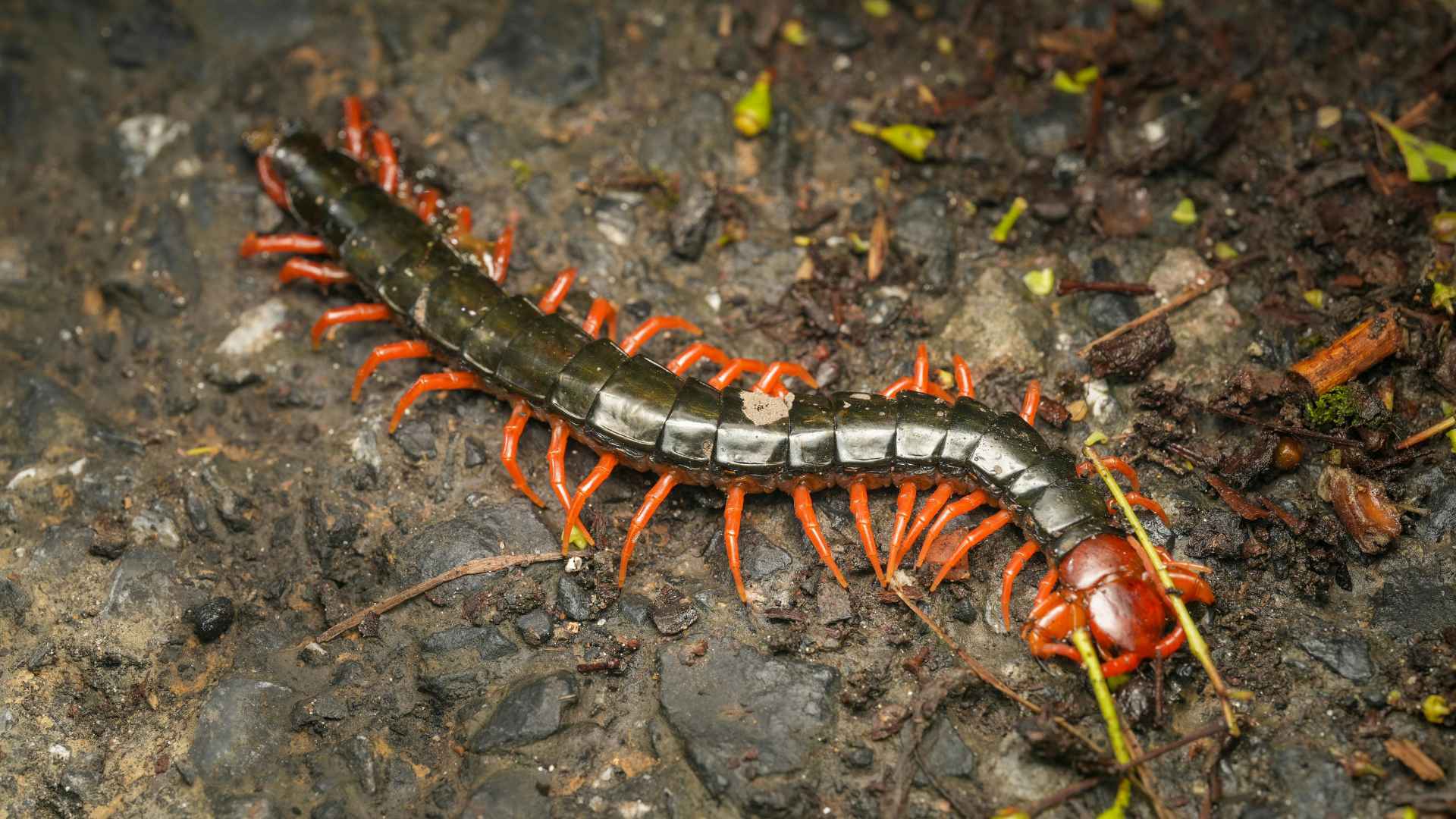
Moreover, a dry environment also inhibits the survival of pests by dehydrating them. Many pests, such as silverfish and centipedes, rely on moisture for their survival. By depriving them of the necessary moisture, we can effectively control their populations and discourage their presence in our surroundings.
Maintaining a dry environment plays a crucial role in pest control. By reducing moisture levels, we create an unfavorable habitat for pests, inhibiting their survival and reproduction. This approach not only limits their access to food sources but also dehydrates them, further discouraging their presence.
Therefore, it is essential to address any moisture issues and ensure proper ventilation to create a hostile environment for pests, ultimately serving the goal of pest control and protecting our living spaces.
Frequently Asked Questions
What are some common signs of moisture issues in a home or garden?
Common signs of moisture issues in a home or garden include mold growth, musty odors, peeling paint or wallpaper, water stains, and condensation on windows. Effective resolution involves identifying and addressing the source of moisture to prevent further damage and health risks.
Are there any specific types of pests that are attracted to moisture?
Moisture attracts a variety of pests, including termites, cockroaches, and mosquitoes. To eliminate these pests, effective pest control methods involve drying out damp areas, fixing leaks, and using dehumidifiers to reduce moisture levels in homes and gardens.
How can I effectively identify and resolve moisture issues in my home or garden?
Identifying and resolving moisture issues in the home or garden can be achieved through various methods such as regular inspection, proper ventilation, and effective drainage systems. These measures aim to prevent the accumulation of moisture, which can attract pests and lead to potential infestations.
What are some preventative measures I can take to keep pests away from my property?
To prevent pests from infesting your property, implementing various preventative measures and pest control methods is crucial. These may include maintaining cleanliness, sealing entry points, using natural repellents, and regularly inspecting and maintaining your property.
Besides preventing pest infestations, what other benefits are there to maintaining a dry environment?
Maintaining a dry environment offers a plethora of benefits. It improves air quality by reducing the growth of mold and mildew, which can cause respiratory issues. This creates a healthier and more comfortable living space for all.