
Snakes are fascinating creatures that can be found in various habitats around the world, including yards and gardens. If you’re curious about what a snake hole looks like in your yard, it’s essential to understand the characteristics of these holes and how to identify them.
By recognizing and differentiating snake holes from other types of holes, you can gain a better understanding of snake behavior and habitat, allowing for a peaceful coexistence with these reptiles in your yard.
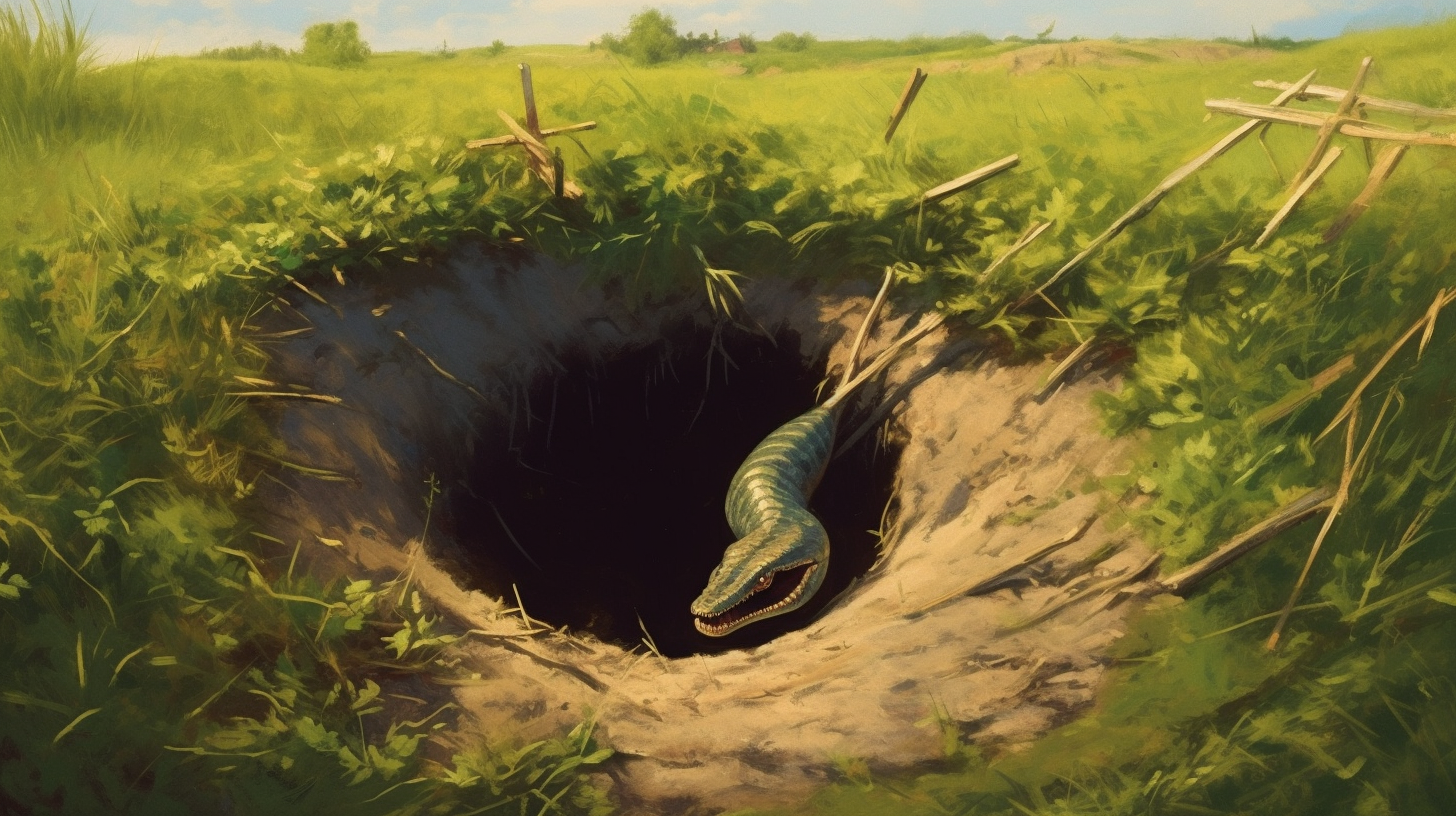
When it comes to identifying snake holes in your yard, there are several key characteristics to look out for. Snake holes are typically small and narrow, measuring around 2 to 4 inches in diameter. They are commonly found in areas with loose soil, such as gardens, flower beds, or under rocks and logs.
Snake holes often have a distinctive shape, resembling a ‘J’or ‘S’curve, which is a result of the snake’s movement as it enters or exits the hole.
Differentiating snake holes from other types of holes can be challenging but crucial to accurately identify snake activity. Gopher or mole holes, for example, are typically larger and more extensive, with mounds of soil surrounding the entrance. Additionally, snake holes are usually cleaner and lack the presence of loose soil or debris that may be found in other types of holes.
By understanding these distinctions, you can confidently determine whether the hole in your yard is indeed a snake hole.
Key Takeaways
- Snake holes in yards can be identified by their small and narrow size, measuring around 2 to 4 inches in diameter.
- Snake holes often have a distinctive ‘J’ or ‘S’ curve shape.
- Snake holes are typically cleaner and lack loose soil or debris found in other types of holes.
- Identifying snake holes requires careful observation and attention to detail, comparing the size, shape, and location of the holes to differentiate them from other holes.
Characteristics of Snake Holes
Snake holes in a yard typically exhibit distinctive characteristics that can evoke concern and unease in homeowners. One of the key features to look for when identifying a snake hole is the size. Snake holes can vary in size depending on the species of snake and the age of the snake. Generally, snake holes are around 2 to 4 inches in diameter. However, some larger species of snakes may create holes that are up to 6 inches in diameter. It is important to note that snake hole sizes can also be influenced by other factors such as the type of soil and the depth of the burrow.
Another characteristic to consider when examining snake holes is the entrance. Snake hole entrances are typically round or oval-shaped and can be found in various locations within the yard. These entrances are usually smooth and well-defined, showing signs of frequent use. The edges of the hole may appear slightly worn or compacted due to the snake’s repeated entry and exit. Additionally, snake holes may have loose soil or debris around the entrance, which is a result of the snake’s movement and burrowing activities.
Identifying snake holes in your yard requires careful observation and attention to detail. By understanding the typical characteristics of snake holes, such as their size and entrance shape, you can better differentiate them from other types of burrows or holes in your yard.
Identifying Snake Holes in Your Yard
Buried beneath the earth’s surface, a distinctive opening reveals itself amidst the landscape, providing a subtle indication of the presence of serpents in the surrounding environment. Identifying snake holes in your yard is crucial for both the safety of the inhabitants and the preservation of the ecosystem.
Snake holes are typically small and round, with a diameter ranging from one to three inches. They are often located in areas with loose soil, such as gardens, flower beds, or under rocks and debris. When inspecting your yard, be on the lookout for these telltale signs of snake activity.
In addition to their size and location, snake holes can be identified by the presence of fresh dirt or displaced vegetation around the opening. Snakes are known to excavate or enlarge holes to create a suitable habitat, and these activities can result in visible signs of disturbance. Another characteristic to consider is the absence of tracks or footprints near the hole, as snakes tend to keep their surroundings clean and undisturbed.
By learning how to identify snake holes, you can take necessary precautions to prevent encounters and ensure the safety of your yard. Differentiating snake holes from other holes, such as burrows made by rodents or insects, requires a closer examination of their characteristics and surroundings.
Differentiating Snake Holes from Other Holes
When distinguishing snake holes from other holes commonly found in yards, several factors should be considered.
Firstly, comparing the size and shape of the hole can provide insights into the possible occupant. Snake holes are typically small and circular, resembling a finger-sized tunnel.
Additionally, the location and pattern of the holes can also indicate whether they are snake holes. Snakes tend to create multiple holes in a zigzag or crisscross pattern, often found near structures or areas with abundant vegetation.
Therefore, analyzing the physical characteristics and spatial distribution of the holes can aid in differentiating snake holes from other common holes in yards.
Comparing snake holes to other common holes in yards
Comparing snake holes to other common holes in yards, it is important to note distinctive characteristics that distinguish them from one another. One key characteristic of snake holes is their size and shape. Snake burrows are typically smaller and more narrow compared to holes made by other animals. This is because snakes have a slender body shape that allows them to fit into tight spaces. Additionally, snake holes often have a distinctive shape with a small entrance hole leading to a larger chamber or tunnel system underground. This is because snakes create burrows for shelter and protection, and they may use these tunnels to navigate their surroundings.
In order to differentiate snake holes from other holes in yards, it can be helpful to compare them using a table:
| Characteristic | Snake Holes | Other Holes |
|---|---|---|
| Size | Smaller and more narrow | Varies depending on the animal |
| Shape | Small entrance hole leading to a larger underground chamber or tunnel system | Varies depending on the animal |
| Location | Often found in areas with vegetation or near water sources | Can be found in various locations in the yard |
| Dangers | Potential for snake bites or encounters with venomous snakes | May pose different risks depending on the animal |
Considering the location and pattern of the holes in the yard can also provide clues to whether they are snake holes. Snakes often prefer areas with vegetation or near water sources, so if the holes are concentrated in these areas, it is more likely that they are snake burrows. Additionally, if there is a pattern to the holes, such as a trail or a series of interconnected tunnels, this can also indicate the presence of snakes. Therefore, by carefully observing the size, shape, location, and pattern of the holes, one can better identify and understand the potential dangers of snake holes without disrupting the natural habitat of these creatures.
Considering the location and pattern of the holes
By carefully observing the distribution and arrangement of holes in a yard, researchers can gain valuable insights into the ecological preferences and behaviors of the animals responsible for their creation.
The location significance of snake holes in a yard can provide information about the species’ habitat preferences. For example, if snake holes are found in close proximity to water sources, it suggests that the snakes are likely aquatic or semi-aquatic species. On the other hand, if the holes are located near dense vegetation or rocky areas, it indicates a preference for terrestrial or arboreal habitats.
Additionally, the size of the holes can also provide clues about the snake species. Smaller holes are typically associated with smaller snake species, while larger holes may suggest the presence of larger snakes.
Understanding the location significance and hole size of snake holes is crucial for comprehending snake behavior and habitat. By studying these factors, researchers can identify the specific environmental conditions that snakes prefer and utilize for their survival. This knowledge can be used to develop conservation strategies and management plans to protect snake populations and their habitats.
Additionally, understanding the location and size of snake holes can also help homeowners and gardeners take appropriate measures to minimize encounters with snakes and ensure the safety of their yards.
By transitioning into the subsequent section about ‘understanding snake behavior and habitat,’ we can delve deeper into the fascinating world of snakes and explore their ecological roles and interactions with their environment.
Understanding Snake Behavior and Habitat
Snake holes in a yard resemble concealed tunnels, akin to secret passageways in a castle. These snake burrows are typically narrow and elongated, with a diameter ranging from a few inches to a foot or more. The entrance of the hole is often camouflaged with dirt, leaves, or vegetation, making it difficult to spot.
Snake burrows can be found in various locations within a yard, depending on the specific species and their habitat preferences. Some snakes prefer to create their burrows in open areas with loose soil, while others may seek out areas with dense vegetation or near water sources.
Understanding the behavior and habitat of snakes can help homeowners identify potential snake holes and take appropriate measures to coexist with these reptiles in their yard.
Snakes are ectothermic creatures, meaning their body temperature is regulated by their surroundings. As a result, they are highly dependent on their habitat for survival. Snake burrows provide these cold-blooded creatures with a cool and moist environment during hot weather and protection from extreme temperatures during colder seasons. The tunnels also serve as a refuge from predators and provide a safe place for snakes to rest, digest their prey, and even lay eggs. It is important to note that not all holes in a yard are snake burrows, as other small animals like rodents or insects may also create similar underground tunnels.
Understanding snake behavior and habitat can help homeowners coexist with these creatures in their yard. By recognizing and respecting their need for shelter, homeowners can create a harmonious environment where snakes can thrive without posing a threat to human inhabitants.
Coexisting with Snakes in Your Yard
To coexist harmoniously with snakes in one’s yard, it is essential to understand their behavior and habitat. Snakes are cold-blooded reptiles that require warm environments to regulate their body temperature. As a result, they are commonly found in areas with ample sunlight, such as open fields, gardens, and yards. These areas provide them with basking spots where they can warm themselves.
Additionally, snakes are attracted to places that offer sources of food, such as rodents, insects, and small mammals. Therefore, yards that have a high population of these prey species are more likely to attract snakes.
To ensure snake safety in your yard, there are a few measures you can take. First, it is important to maintain a tidy and well-maintained yard. Removing debris, such as piles of wood or rocks, eliminates potential hiding places for snakes. Regularly mowing the lawn and trimming shrubs also helps to reduce hiding spots.
Additionally, consider using snake repellents, which are products designed to deter snakes from entering your yard. These repellents typically contain natural substances that emit odors snakes find unpleasant. When using such products, it is crucial to follow the instructions carefully and apply them in the areas where snakes are likely to frequent.
Lastly, if you encounter a snake in your yard, it is best to give it space and avoid any attempts to handle or disturb it. Most snake bites occur when people try to interact with snakes, so maintaining a safe distance is essential for your own safety.
Frequently Asked Questions
How deep can a snake hole be in a yard?
The depth of a snake hole in a yard can vary depending on the species and environmental conditions. Snake holes can range in size, with some being shallow and others extending several feet underground.
Do all snake species create holes in yards?
Snake hole patterns in yards vary among species due to differences in snake behavior. While some snakes, such as burrowing species, create holes for shelter and nesting, others may prefer to use existing crevices or vegetation for concealment.
Can snake holes appear in paved or concrete areas?
Snake holes can be found in urban areas such as parks or sidewalks, although they are less common in man-made structures like buildings or walls. They typically appear as small, circular openings in the ground.
Are there any signs or markings around snake holes to indicate their presence?
Signs or markings around snake holes are often absent, making them difficult to identify. However, snake behavior in yards may include tracks, shed skin, or disturbed vegetation, which can serve as indirect indicators of their presence.
What precautions should be taken if a snake hole is discovered in a yard?
Preventing snake infestations requires identifying snake holes in different types of terrain. To minimize risk, inspect yards regularly, looking for small openings in the ground, especially in areas with tall grass or debris.