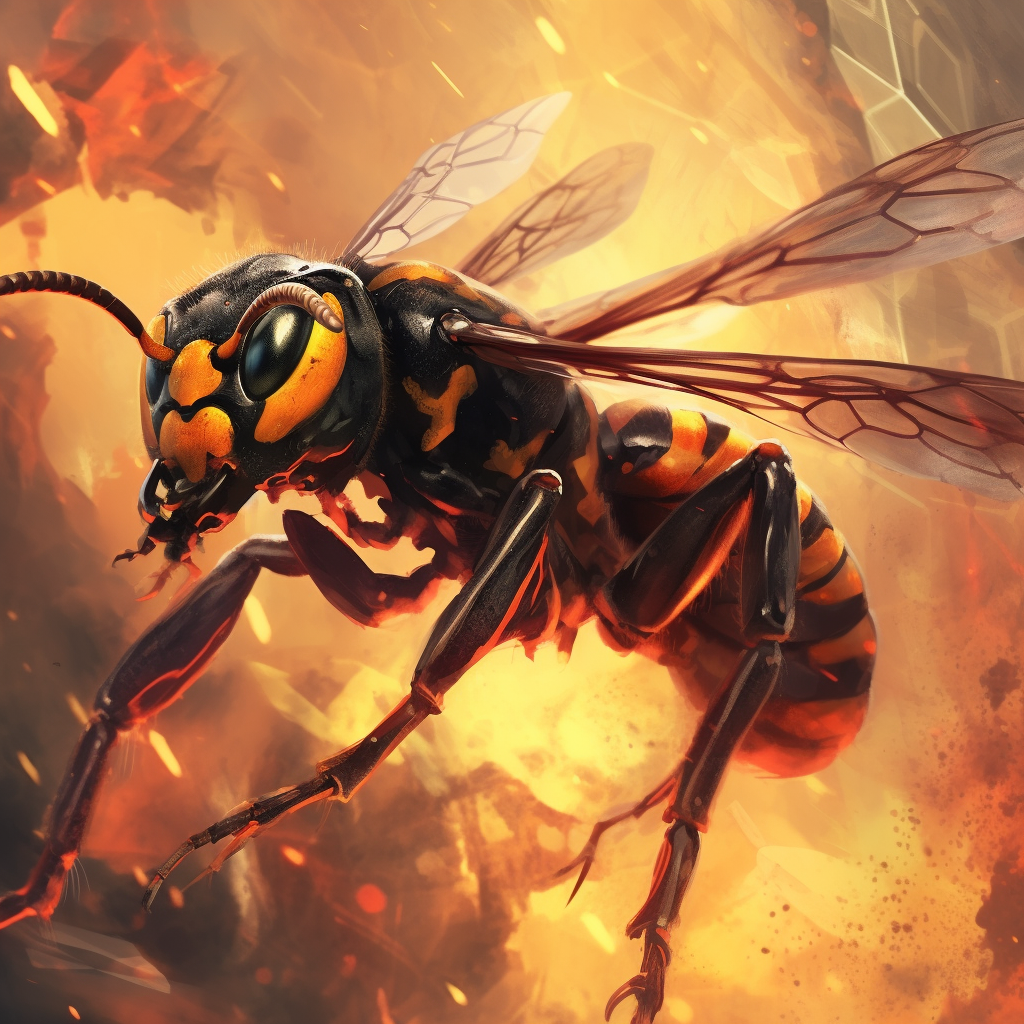


Pest problems are a significant concern in various settings, including residential, commercial, and agricultural environments. Identifying and addressing these infestations is crucial to maintaining the well-being of individuals and preserving property.
This article aims to define what is considered a pest problem by examining the types of pests commonly encountered, the signs that indicate their presence, and the potential health and safety risks associated with infestations. Additionally, it explores the damage that pests can inflict on property and plants and the importance of prevention and control methods in mitigating these issues.
Lastly, the article emphasizes the significance of seeking professional pest management services to effectively address and resolve pest problems. By adhering to an academic writing style that is objective, impersonal, and free of personal pronouns, this article provides an informative resource for individuals seeking to understand and address pest-related challenges.
Key Takeaways
- Pest problems can occur in residential, commercial, and agricultural environments, and can involve rodents, insects, and nuisance wildlife.
- Different types of pests require tailored mitigation strategies, including physical methods like trapping and chemical treatments like insecticides.
- Common household pests like cockroaches, ants, termites, bed bugs, and mosquitoes can contaminate food, damage property, and spread diseases.
- Identifying signs of pest infestations, such as droppings, gnaw marks, unusual noises, and sudden increases in pest activity, is crucial for taking prompt action to eliminate the problem and prevent further damage.
Identifying Pest Infestations
Identifying pest infestations is crucial in order to effectively mitigate the potential risks and damages they can cause. This evokes a sense of urgency in ensuring the appropriate measures are taken.
Common pest species vary depending on the region and environment. Some of the most frequently encountered ones include rodents such as rats and mice, insects like cockroaches and ants, and nuisance wildlife such as raccoons or squirrels.
By identifying these pest species, individuals and pest control professionals can tailor their mitigation strategies accordingly. This allows them to implement targeted techniques that are most effective against the specific pests present.
Pest control techniques can range from physical methods such as trapping or exclusion, to chemical treatments like insecticides or rodenticides.
By accurately identifying the pest species and employing appropriate control measures, the potential risks and damages associated with infestations can be minimized. This promotes a safer and healthier living environment.
Types of Pests
Categorizing the various species that cause damage and disruption in residential and commercial settings is crucial when examining the types of organisms that can adversely affect human activities.
Common household pests include insects such as cockroaches, ants, termites, bed bugs, and mosquitoes. These pests can contaminate food, damage property, and spread diseases.
Agricultural pest species, on the other hand, can cause significant damage to crops and reduce agricultural yields. These pests include rodents, birds, and various insects like aphids, caterpillars, and weevils. They can destroy crops, feed on plant tissues, and transmit plant diseases.
Identifying and understanding these different types of pests is important in developing effective pest management strategies to minimize their impact on human activities.
Signs of a Pest Problem
Indications of an infestation can often be observed through specific physical and behavioral patterns exhibited by various organisms. Common pest species, such as rodents, insects, and birds, leave behind noticeable signs of their presence.
For instance, the presence of droppings, gnaw marks, or chewed wires can indicate a rodent infestation. Similarly, insect infestations can be identified by the presence of eggs, shed skin, or trails of ants or termites.
In addition to these physical signs, behavioral patterns can also serve as indicators of a pest problem. For example, unusual noises in the walls, sightings of pests during the day, or sudden increases in pest activity can suggest an infestation.
Identifying these signs of pest damage is crucial in order to take appropriate measures to eliminate the problem and prevent further damage.
Health and Safety Risks
The presence of pests in a living space can pose significant health and safety risks. These organisms can carry and spread diseases, contaminate food sources, and cause structural damage to buildings.
Health risks associated with pest infestations can vary depending on the type of pest. Common issues include allergic reactions, asthma attacks, and the transmission of pathogens such as bacteria, viruses, and parasites.
Pests can contaminate food sources through their droppings, urine, and saliva, leading to foodborne illnesses.
Additionally, pests like termites can cause structural damage to buildings. This compromises their integrity and potentially leads to safety concerns.
It is important to address pest problems promptly to mitigate these health and safety risks and ensure a safe and healthy living environment.
Damage to Property and Plants
One significant consequence of pest infestations is the potential for extensive damage to property and plants. Pest problems can lead to significant property damage, particularly in the case of rodents and termites.
Rodents such as rats and mice can chew through electrical wires, causing fires and electrical malfunctions. They can also gnaw on wooden structures, leading to structural damage.
Termites, on the other hand, feed on wood and can cause extensive damage to the foundation and structure of buildings.
In addition to property damage, pests can also cause harm to plants. Insects like aphids, caterpillars, and beetles can feed on plants, causing stunted growth, leaf damage, and even death.
Furthermore, pests can introduce diseases to plants, leading to crop failure and reduced agricultural productivity.
Therefore, it is essential to address pest problems promptly to mitigate the potential damage they can cause to both property and plants.
Prevention and Control Methods
Prevention and control methods for pest infestations involve implementing various strategies to safeguard property and plants from potential damage.
Natural pest control methods offer an environmentally friendly alternative to chemical pesticides, which can be harmful to both humans and the environment. These methods include biological control, which utilizes natural predators or parasites to control pest populations, as well as cultural control, which involves modifying the environment to discourage pest activity.
Additionally, physical control methods such as trapping, exclusion, and sanitation can be effective in preventing and managing pest infestations.
Common household pests that require prevention and control measures include rodents, ants, cockroaches, termites, and bed bugs.
By employing a combination of these prevention and control methods, property owners can effectively manage pest problems while minimizing the use of harmful chemicals.
Seeking Professional Pest Management
Seeking professional pest management services can provide a sense of relief and peace of mind, knowing that experienced experts are equipped with the knowledge and tools to effectively address and resolve pest-related issues.
When it comes to pest control, hiring a professional pest control company offers several benefits. Firstly, these companies have access to a wider range of specialized products and techniques that may not be available to homeowners. They can also identify the specific type of pest infestation accurately, allowing for targeted and efficient treatment.
Moreover, professional pest control companies follow strict safety protocols to ensure the well-being of both humans and the environment. Additionally, they can provide ongoing monitoring and maintenance to prevent future infestations.
However, it is important to avoid common mistakes such as using over-the-counter products without proper knowledge or neglecting early signs of infestation. By seeking professional help and avoiding these mistakes, individuals can effectively manage and eradicate pest problems.
Frequently Asked Questions
How do pests reproduce and multiply in a given area?
Pests reproduce and multiply in a given area through their life cycle, which involves stages of egg, larvae, pupae, and adult. Factors affecting their population growth include availability of food, shelter, water, and favorable environmental conditions.
What are some common ways pests can enter a home or property?
Common ways pests can enter a home or property include through cracks or gaps in doors and windows, vents, pipes, and utility lines. Preventing pest entry can be achieved by sealing these entry points and maintaining cleanliness and hygiene in the surroundings.
Can pests cause any harm to humans or pets?
Pests can cause harm to humans and pets through bites, stings, and the transmission of diseases. Health risks associated with pest infestations highlight the importance of implementing pest control measures to ensure the safety of humans and pets.
Are there any natural remedies or DIY methods to control pest infestations?
Natural remedies and DIY methods can be effective in controlling pest infestations. These alternatives to conventional pest control methods utilize non-toxic substances and environmentally friendly techniques, providing a safer and more sustainable approach to managing pest problems.
Is it possible for pests to cause irreversible damage to property or plants?
Pests have the potential to cause significant damage to both property and plants. Their presence can lead to long-term effects such as structural damage, loss of crops, and the spread of diseases, making pest control essential for preserving the well-being of property and plants.