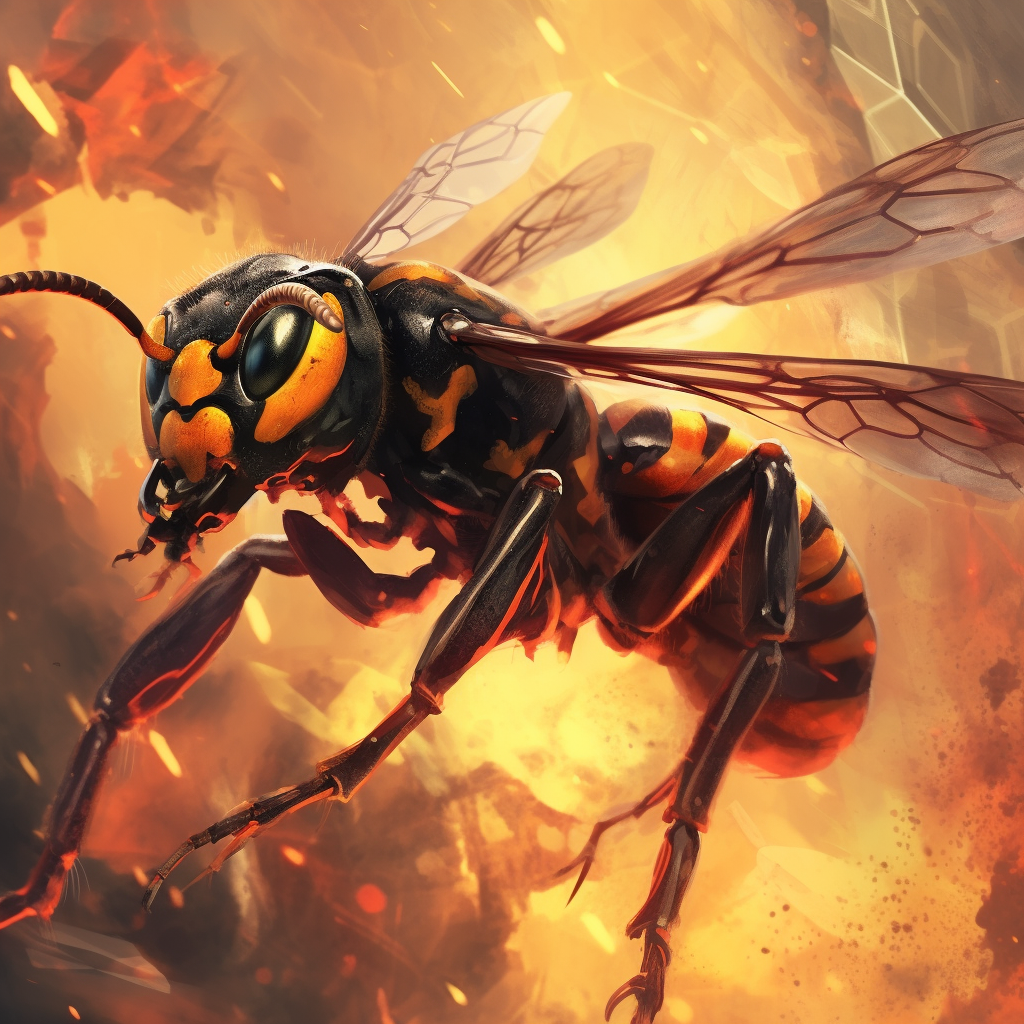


Discovering signs of a pest infestation in your home or workplace can be a cause for concern. Identifying these signs early on can help you take prompt action to address the issue and prevent further damage.
This article aims to provide insight into the most common indicators of a pest infestation, including:
- Unusual noises
- Foul odors
- Visible droppings
- Damaged materials
- Increased pest activity
- Presence of nests or hives
By recognizing these signs, you can protect your environment and ensure the well-being of those you serve.
Key Takeaways
- Unusual noises or sounds, such as scratching or scurrying in walls or ceilings, buzzing or humming near bee or wasp nests, chirping or fluttering from birds, clicking or tapping from insects, and hissing from snakes, can indicate a pest infestation.
- Foul odors or strong smells, including unpleasant odors from pest droppings or decaying bodies, can trigger allergies or respiratory problems and pose health risks. It is important to locate and eliminate the source of the smell.
- Visible pest droppings or tracks found in corners, behind appliances, or in storage areas can help identify the type of pest and prompt a timely response. Professional pest inspection may be needed to accurately identify the pest.
- Damaged or chewed materials, such as electrical wires, insulation, and furniture, can indicate pest activity. Promptly addressing signs of damage is crucial to prevent further costly repairs, replacements, and safety hazards like electrical fires.
Unusual Noises or Sounds
When it comes to identifying a potential pest infestation, paying attention to any unusual noises or sounds within your premises is crucial. These noises can often be an indication of pests such as rodents, insects, or birds that have made their way into your home or business.
The type of sound can vary depending on the pest. For example, scratching or scurrying sounds in the walls or ceilings may suggest the presence of rodents, while buzzing or humming sounds could indicate a bee or wasp nest nearby. It is important to act quickly when you hear these sounds to prevent further damage and potential health risks.
There are various pest control methods and pest prevention tips available to address the issue, including sealing entry points, maintaining cleanliness, and seeking professional help if needed.
Foul Odors or Strong Smells
Another indicator of a potential pest infestation is the presence of foul odors or strong smells in your living or working space. These unpleasant odors are often caused by the droppings, urine, or decaying bodies of pests such as rodents, insects, or even birds.
Not only do these smells make your environment uncomfortable, but they can also pose health risks. Foul odors can trigger allergies or respiratory problems, and certain pests may carry diseases that can be transmitted through their waste.
To identify and eliminate foul odors caused by pest infestations, it is crucial to first locate the source of the smell. This may require a thorough inspection of your property, including hidden areas such as crawl spaces or attics.
Once the source is identified, professional pest control services can safely remove the pests and clean up the affected area, eliminating the foul odor and reducing health risks.
Visible Pest Droppings or Tracks
The presence of visible pest droppings or tracks is a clear indication of a pest infestation. When homeowners or business owners come across these signs, it is important to take immediate action and seek professional pest control services.
Pest droppings can be found in various areas such as corners, behind appliances, or in storage areas. These droppings can vary in size and shape depending on the type of pest.
Likewise, tracks left behind by pests can be seen on surfaces such as floors, walls, or countertops. Recognizing these signs is crucial as it allows for a timely response and the implementation of effective pest control measures.
A thorough pest inspection by trained professionals will help identify the type of pest and determine the most appropriate treatment plan.
Damaged or Chewed Materials
Moreover, in addition to visible pest droppings or tracks, another significant sign of a pest infestation is the presence of damaged or chewed materials. Evidence of gnawing and destroyed belongings are strong indicators that pests are present in a space. When pests, such as rodents or insects, infest a property, they often seek shelter and food sources. As a result, they may chew through various materials in order to access these resources.
Commonly affected items include electrical wires, insulation, wooden furniture, and packaging materials. These damages can not only be costly to repair or replace but can also pose safety hazards, such as electrical fires. Therefore, it is crucial to address such signs promptly to prevent further damage and protect the well-being of individuals residing or working in the infested area.
Increased Pest Activity
Significantly, a noticeable surge in pest activity is often a clear indication of a pest infestation. When there is an increase in pest activity, it means that the population of pests has grown significantly, and they are actively searching for food, water, and shelter. This can be seen through increased sightings of pests, such as ants marching in long trails or cockroaches scurrying across the floor. It is crucial to address this issue promptly to avoid further damage and potential health risks.
To tackle increased pest activity, it is vital to implement effective pest control methods. These methods may include using pesticides, traps, or employing the services of professional pest control companies. However, prevention strategies play an equally important role in managing pest infestations. Regularly inspecting and sealing possible entry points, maintaining cleanliness, proper waste management, and storing food in airtight containers are some preventive measures that can significantly reduce the likelihood of a pest infestation.
Presence of Nests or Hives
An indication of a pest infestation can be the presence of nests or hives in and around your property. Nests and hives are commonly built by pests such as bees, wasps, ants, and rodents. These structures provide shelter and a breeding ground for pests, which can quickly multiply and cause further damage to your property.
To prevent nest or hive infestations, it is crucial to maintain cleanliness and eliminate potential food and water sources. Regular inspection of your property can help identify and remove nests or hives before they become a larger problem.
However, it is important to handle nest or hive removal with caution. It is recommended to seek professional assistance to safely remove nests or hives, as some pests can be aggressive and pose a risk to humans.
Frequently Asked Questions
How Can I Determine if the Presence of Unusual Noises or Sounds in My Home Is Due to a Pest Infestation?
To determine if unusual sounds in your home are due to a pest infestation, employ pest infestation detection techniques. These may include examining the source of the noise, looking for signs of damage or droppings, or consulting a professional pest control service for assistance.
What Are Some Common Foul Odors or Strong Smells That Could Indicate a Pest Infestation?
Unpleasant odors and strange noises in a home may be indicators of a pest infestation. Identifying and addressing these signs promptly is crucial to preventing further damage and ensuring the well-being of occupants.
Are There Any Specific Types of Visible Pest Droppings or Tracks That Are More Commonly Associated With Certain Pests?
Visible pest droppings and pest tracks can be helpful indicators of a pest infestation. Different pests may leave distinct droppings or tracks, allowing for identification and proper pest management.
Can You Provide Examples of the Types of Materials That Are Typically Damaged or Chewed by Pests?
Pests can cause damage to various materials, such as wood, paper, fabric, and food. To prevent damage, it is important to implement proper sanitation practices, seal entry points, and regularly inspect and treat potential infestation areas.
Is There a Specific Timeframe or Season During Which Pests Tend to Show Increased Activity?
Pest activity can vary depending on specific pests and environmental factors. Understanding the specific timeframe or season when pests tend to show increased activity is crucial for effective pest control methods.