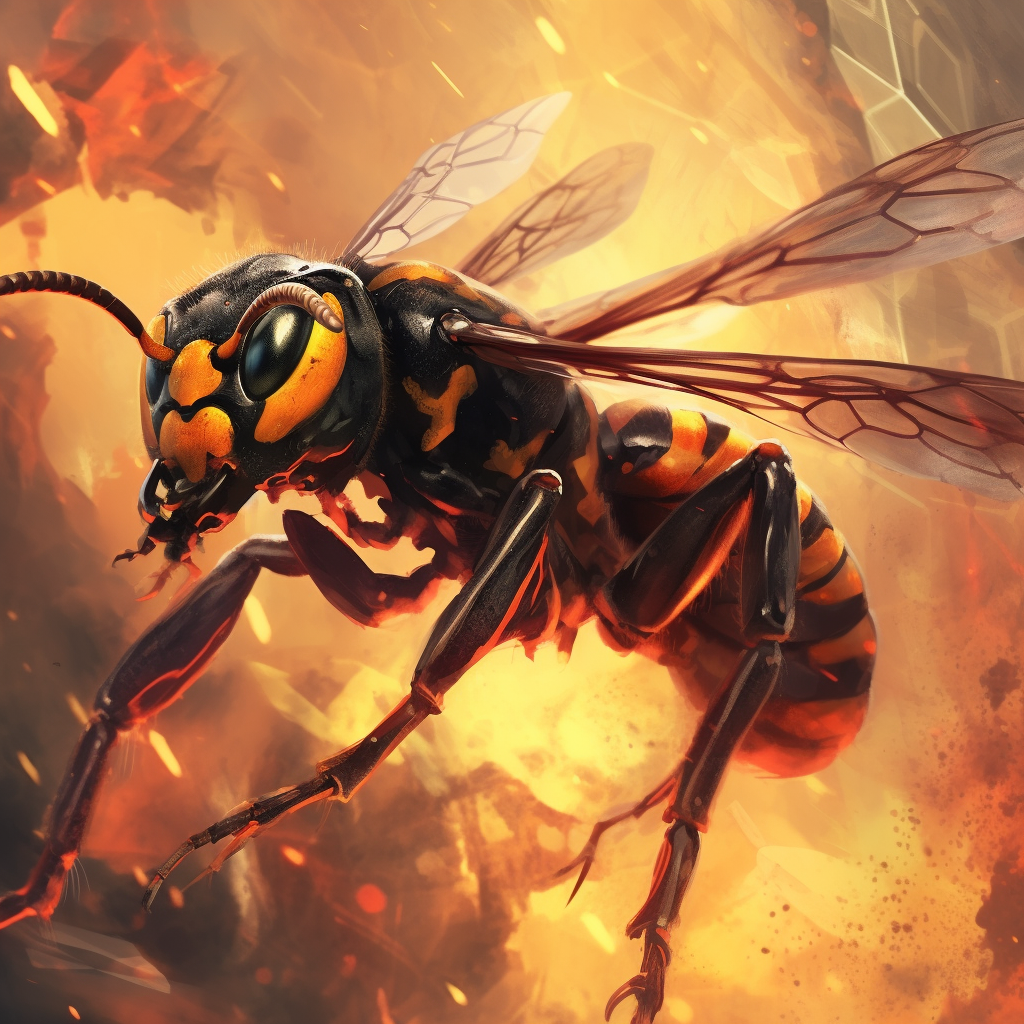


Accurate pest identification is an essential aspect of effective control measures. Identifying pests correctly ensures that appropriate control strategies can be implemented, minimizing potential risks and maximizing efficiency.
This article explores the importance of accurate pest identification, common mistakes to avoid, and tools and techniques available for precise identification. By understanding the impact of incorrect identification and considering pest biology, readers will gain valuable insights into successful pest identification and control strategies.
Key Takeaways
- Accurate pest identification is crucial for effective pest control measures.
- Misidentification can lead to ineffective and potentially harmful control methods.
- Different pests require different control methods.
- Accurate identification helps in identifying potential entry points and breeding grounds.
The Importance of Accurate Pest Identification
Accurate pest identification is a critical first step in implementing effective pest control measures. Many people have common misconceptions about the types of pests they are dealing with, which can lead to ineffective and potentially harmful pest control methods. By accurately identifying pests, professionals can determine the most appropriate and targeted approach to eradicating them.
One of the benefits of professional pest identification is the ability to correctly identify the specific species of pest infesting an area. This is important because different pests require different control methods. For example, treating a termite infestation requires a completely different approach than treating a bed bug infestation. Professionals also have the knowledge and experience to identify potential entry points and breeding grounds, allowing them to develop a comprehensive pest control plan.
Additionally, accurate identification can help prevent future infestations by addressing the root causes and implementing preventative measures. Overall, accurate pest identification is essential for effective control and ensuring the safety and well-being of both individuals and their surroundings.
Common Mistakes in Pest Identification
Misunderstandings and misinterpretations are common pitfalls in the process of pest identification, often leading to ineffective pest control strategies. Common mistakes, misconceptions, and misidentification can hinder the successful eradication of pests.
One common misstep in pest identification is relying solely on visual cues. While visual inspection is important, it is not always sufficient to accurately identify pests.
Other common errors include misidentifying pests based on superficial similarities or assuming that all pests of a particular species behave the same way.
Additionally, overlooking the importance of proper pest identification can result in the use of inappropriate control methods that may not effectively target the specific pest species present.
To avoid these common mistakes, it is crucial to consult with professionals who have expertise in pest identification and control to ensure accurate identification and effective pest management strategies.
Tools and Techniques for Accurate Pest Identification
To achieve accurate pest identification, it is important to utilize a variety of tools and techniques throughout the process. Pest identification methods involve a combination of visual inspection, trapping, and monitoring.
Visual inspection allows for the identification of physical characteristics such as size, color, and shape. Trapping involves the use of specialized devices to capture and identify pests present in an area.
Monitoring techniques, such as the use of pheromone traps, can help in identifying pest behavior and activity patterns. By observing the behavior of pests, such as their feeding habits or nesting preferences, it becomes easier to accurately identify the specific pest species.
These tools and techniques are essential in providing accurate pest identification, leading to effective control and management strategies.
Understanding the Impact of Incorrect Pest Identification
Incorrect pest identification can have significant consequences for pest control efforts and can lead to ineffective treatment methods. Common misconceptions about pests can lead to misidentification, resulting in the use of incorrect control measures. This can be detrimental to both residential and commercial properties, as well as agricultural settings.
Using the wrong treatment methods not only wastes time and resources but also allows the pest population to grow and spread further. In the case of invasive pests, misidentification can have severe ecological and economic impacts. The cost of misidentification includes the expenses associated with ineffective treatments, property damage caused by pests, and potential health risks to humans and animals.
Therefore, accurate pest identification is crucial for implementing appropriate and effective control strategies, ensuring the successful management of pest infestations.
The Role of Pest Biology in Effective Control
Understanding the biology of pests plays a crucial role in developing effective control strategies. By studying the life cycles, reproductive habits, and feeding behaviors of pests, pest control professionals can gain valuable insights into how best to manage and eliminate infestations.
Furthermore, understanding the influence of environmental factors on pest control is essential. Environmental factors such as temperature, humidity, and food sources can greatly impact the behavior and population dynamics of pests. By considering these factors, pest control professionals can determine the most appropriate control methods to employ.
For example, certain pests may be more active during specific seasons or may be attracted to certain environments. By tailoring control methods to the behavior and preferences of pests, professionals can achieve more efficient and long-lasting results in pest management.
Strategies for Successful Pest Identification and Control
Implementing proper pest identification techniques is crucial for developing effective control strategies and ensuring successful pest management.
To effectively control pests, it is essential to understand their behavior, life cycle, and habitat preferences. By identifying the specific pest species infesting an area, pest control professionals can tailor their strategies to target the pest’s weaknesses and vulnerabilities.
This may involve using specific chemical treatments, implementing physical barriers, or employing biological control methods. Successful control also requires ongoing monitoring and evaluation to assess the effectiveness of the chosen strategies and make necessary adjustments.
Additionally, integrated pest management (IPM) practices should be employed, which focus on prevention, monitoring, and control, while minimizing harm to the environment and non-target organisms.
Frequently Asked Questions
How Much Does It Cost to Hire a Professional Pest Control Service?
The cost of hiring a professional pest control service varies depending on factors such as the type and severity of the infestation, the size of the property, and the location. It is important to consider DIY pest control methods and the common pests found in residential areas when determining the appropriate approach.
Are There Any Natural or DIY Methods to Control Pests?
Natural pest control methods and homemade remedies for pest control can be an effective alternative to chemical pesticides. These methods utilize natural ingredients and techniques to deter or eliminate pests, providing a more environmentally friendly approach to pest management.
What Are the Legal Requirements for Pest Control in Residential Areas?
Legal requirements for pest control in residential areas include adhering to local regulations and obtaining appropriate licensing. Compliance with these regulations ensures that pest control activities are conducted safely and effectively, protecting both the residents and the environment.
Can Pests Cause Any Health Issues for Humans?
Pest related diseases can pose health risks to humans. Implementing preventive measures is crucial to avoid these issues. Accurate pest identification is necessary for effective control to target the specific pests and apply appropriate treatments.
How Long Does It Take to Identify a Specific Pest Infestation?
The timeframe for pest identification varies depending on factors such as the complexity of the infestation and the expertise of the pest control professional. Accurate pest identification is crucial for effective control as it allows for targeted and appropriate treatment strategies.