
Discovering the presence of pests can be a distressing experience. However, identifying the specific pest that has invaded your space is crucial in order to effectively address the issue. For homeowners dealing with uncertain or recurring infestations, professional services like Nature Guard can help accurately identify pests and recommend targeted treatment solutions.
This article aims to provide you with the necessary knowledge and techniques to determine the type of pest you are dealing with. By recognizing visual clues, damage patterns, sounds, odors, droppings, and behavior, you will gain the insight needed to take appropriate actions to protect your environment and ensure the well-being of others.
Key Takeaways
- Examining damage patterns such as wilting, yellowing, and chewed foliage can help identify pests.
- Different pests exhibit distinct visual clues such as size, color, and shape.
- Sounds and odors can indicate the presence of pests, such as scratching, gnawing, and squeaking sounds associated with rodents.
- Examining droppings, footprints, and other traces can provide valuable information for accurate pest identification.
Visual Clues
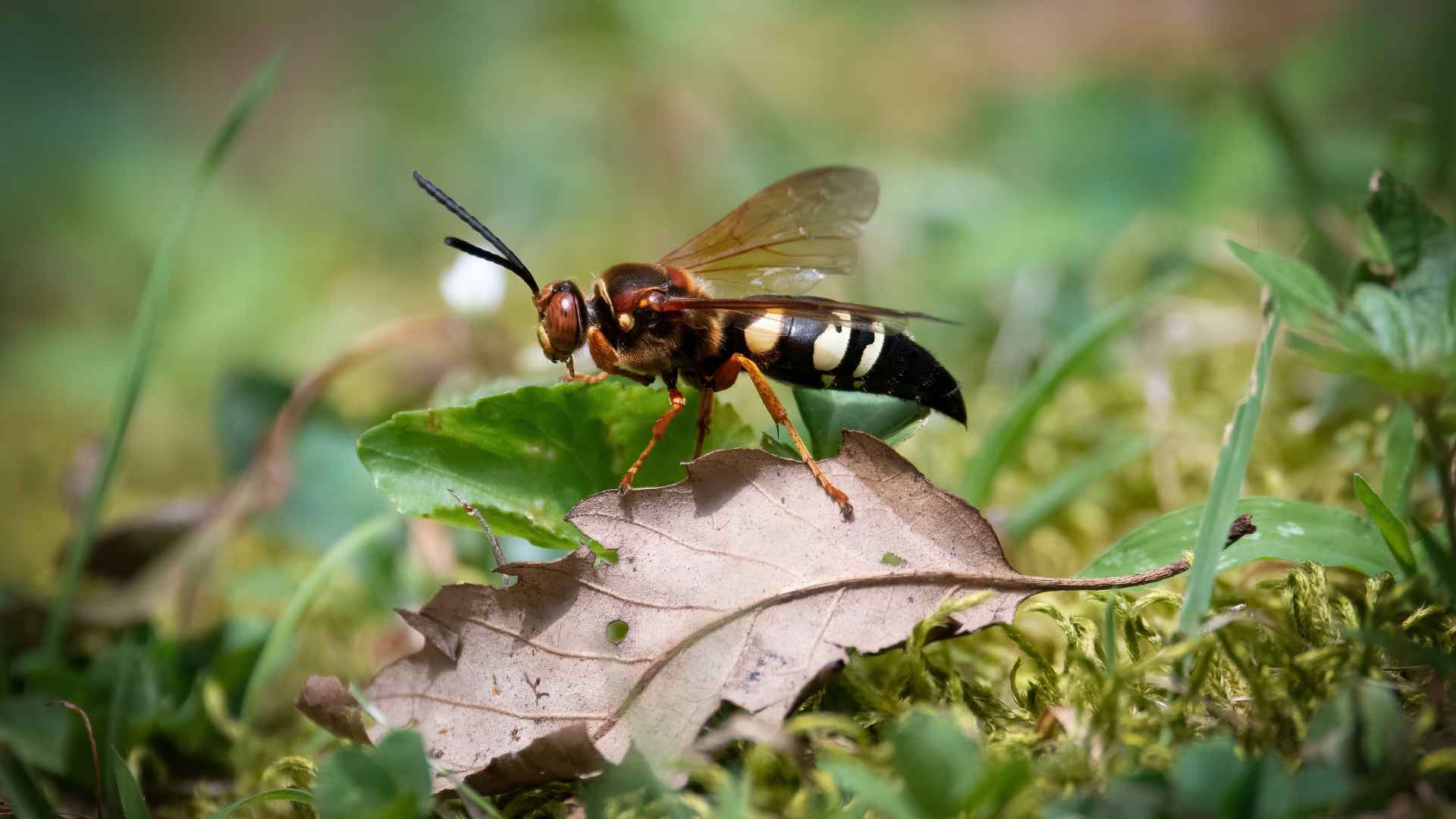
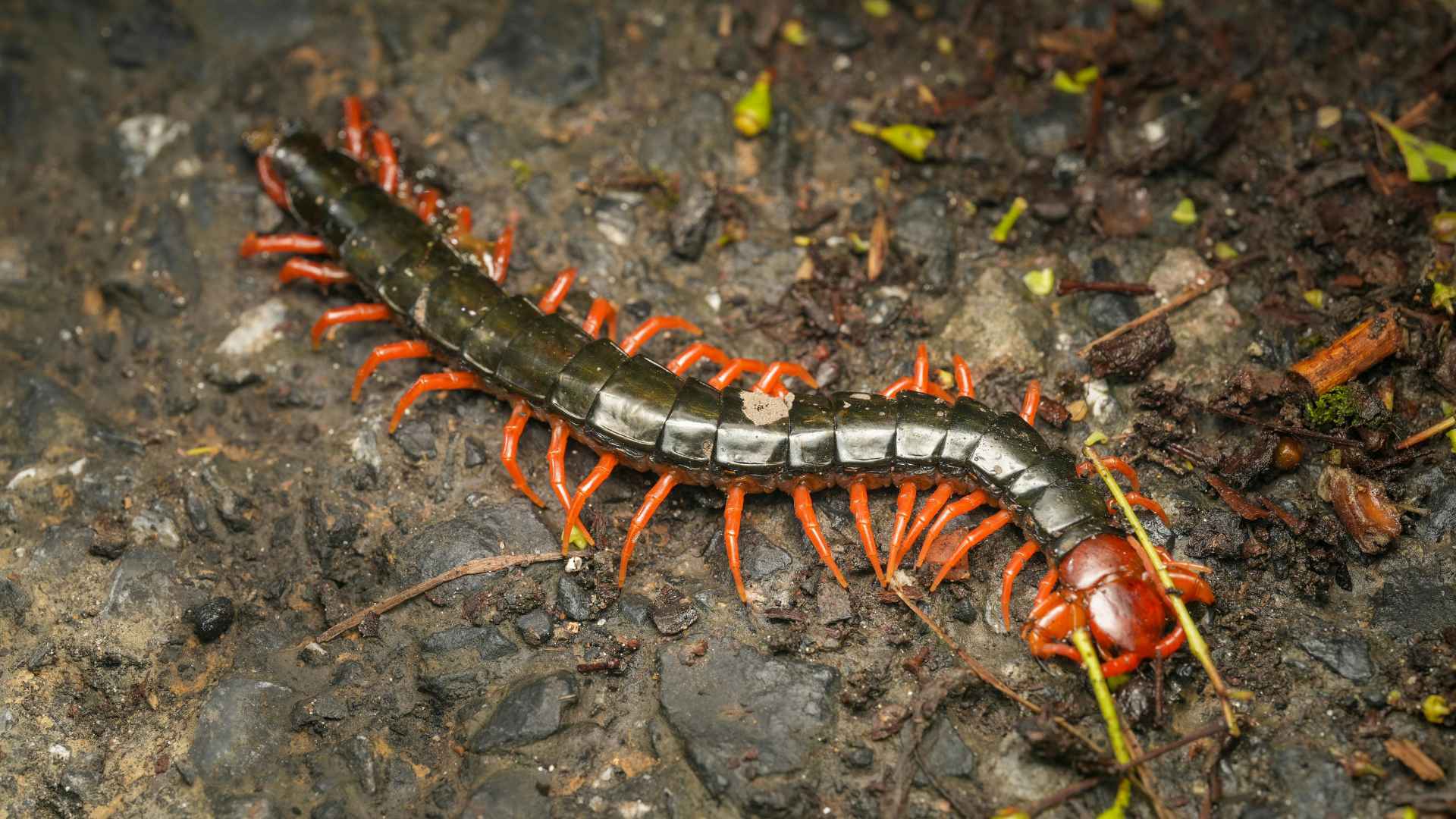
Identification of pests can be facilitated by closely examining visual clues such as damage patterns and physical characteristics. By employing pest identification techniques, individuals can accurately determine the type of infestation they are dealing with.
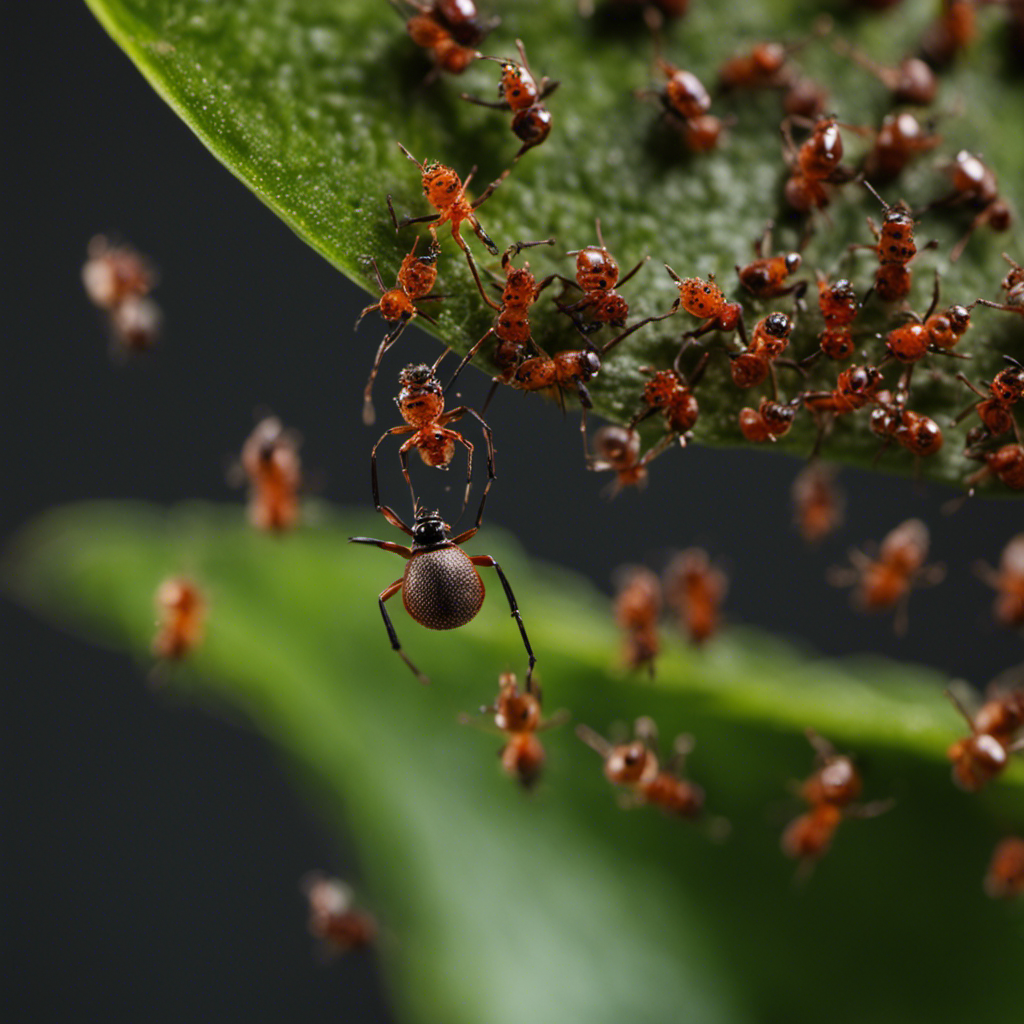
Visual clues can reveal common characteristics that are crucial for effective management. For instance, damage patterns on plants or crops can provide valuable information about the presence of pests like caterpillars or aphids. Physical characteristics such as size, color, and shape can also help in proper identification.
It is important to note that different pests exhibit distinct visual cues, and recognizing these cues is essential for implementing appropriate pest control measures. Therefore, carefully observing and analyzing visual cues can significantly help identify and address problems in a timely and efficient manner.
Damage Patterns
Damage patterns caused by pests can provide valuable insights into the type of pest infestation and aid in effective pest management strategies. By closely examining the damage inflicted on plants or structures, one can determine the culprit behind the problem.
Plant damage caused by pests may include wilting, yellowing, or leaf distortion, as well as chewed foliage or holes in fruits and vegetables.
On the other hand, structural damage caused by pests may manifest as gnaw marks, droppings, or nests in various areas of a building.
Understanding these damage patterns is crucial in identifying the specific pest species responsible for the infestation.
Armed with this knowledge, pest management professionals can develop targeted solutions to eliminate the infestation and prevent further damage.
Sounds and Odors
Detecting sounds and odors can be valuable indicators in determining the presence of pests and the type of infestation.
Identifying pests based on sounds and odors can help in taking the appropriate measures to eliminate them.
Common indicators include scratching, gnawing, and squeaking sounds, which are often associated with rodents such as mice and rats. These pests also emit a distinct musty odor.
Termites, on the other hand, produce a clicking sound that can be heard when they are in large numbers. They also release a smell similar to mold or mildew.
It is important to distinguish between different pest sounds and odors to accurately identify the type of infestation.
Consulting with a professional pest control service can provide valuable insights and guidance in this regard.
Droppings and Traces
One common way to identify pests is by examining the droppings and traces they leave behind. Pest identification through droppings and footprints can provide valuable information about the type of pest infestation you may have in your home. Different pests have distinct droppings and footprints, which can help you narrow down the possibilities.
For example, mouse droppings are small and resemble rice grains, while rat droppings are larger and more oval-shaped. Tracing pest infestations involves looking for signs in your home, such as droppings, urine stains, chewed wires or furniture, and footprints on dusty surfaces.
It is important to be observant and thorough in your examination to accurately identify and address the pest issue.
Pest Behavior
Understanding pest behavior is crucial in determining the most effective methods for management and prevention. By observing pest behavior, one can identify the specific infestation and tailor management methods accordingly.
Pest identification is the first step in this process. Different pests have different behaviors, habitats, and feeding patterns. For example, rodents are known to be nocturnal and are attracted to food sources, while termites are active 24/7 and feed on wood.
Once the pest is identified, appropriate control methods can be employed. These methods may include physical barriers, chemical treatments, or integrated pest management techniques.
Frequently Asked Questions
How Can I Prevent Pests From Entering My Home in the First Place?
Implementing measures such as sealing cracks, keeping food stored properly, and maintaining cleanliness can significantly reduce the risk of pest infestations.
What Are Some Natural Remedies for Getting Rid of Common Household Pests?
Natural pest control methods are effective in eliminating common household pests. Essential oils, such as peppermint and lavender, can be used to repel insects. Proper application and dilution are important when using essential oils for pest control.
Are There Any Specific Plants or Herbs That Repel Pests?
Plants or herbs that attract beneficial insects can help naturally repel pests in the garden. By creating a diverse and balanced ecosystem, you can minimize the need for chemical pesticides and promote a healthy and thriving garden.
How Do I Know if I Have a Pest Infestation That Requires Professional Help?
If you suspect an infestation on your property, look for signs such as droppings, structural or plant damage, and unusual sounds or smells. Seeking professional help for accurate pest identification and effective treatment is recommended.
Contact Nature Guard Today!
Don’t let pests take control of your home! Let Nature Guard step in and provide you with top-notch pest control services you can trust. Proudly serving the local Tulsa community, we are ready to solve any pest problems you may encounter. Whether it’s in your home or office, we’re the local team you can rely upon. Contact us today or visit our website to book your appointment and ensure a pest-free environment for you and your family.