
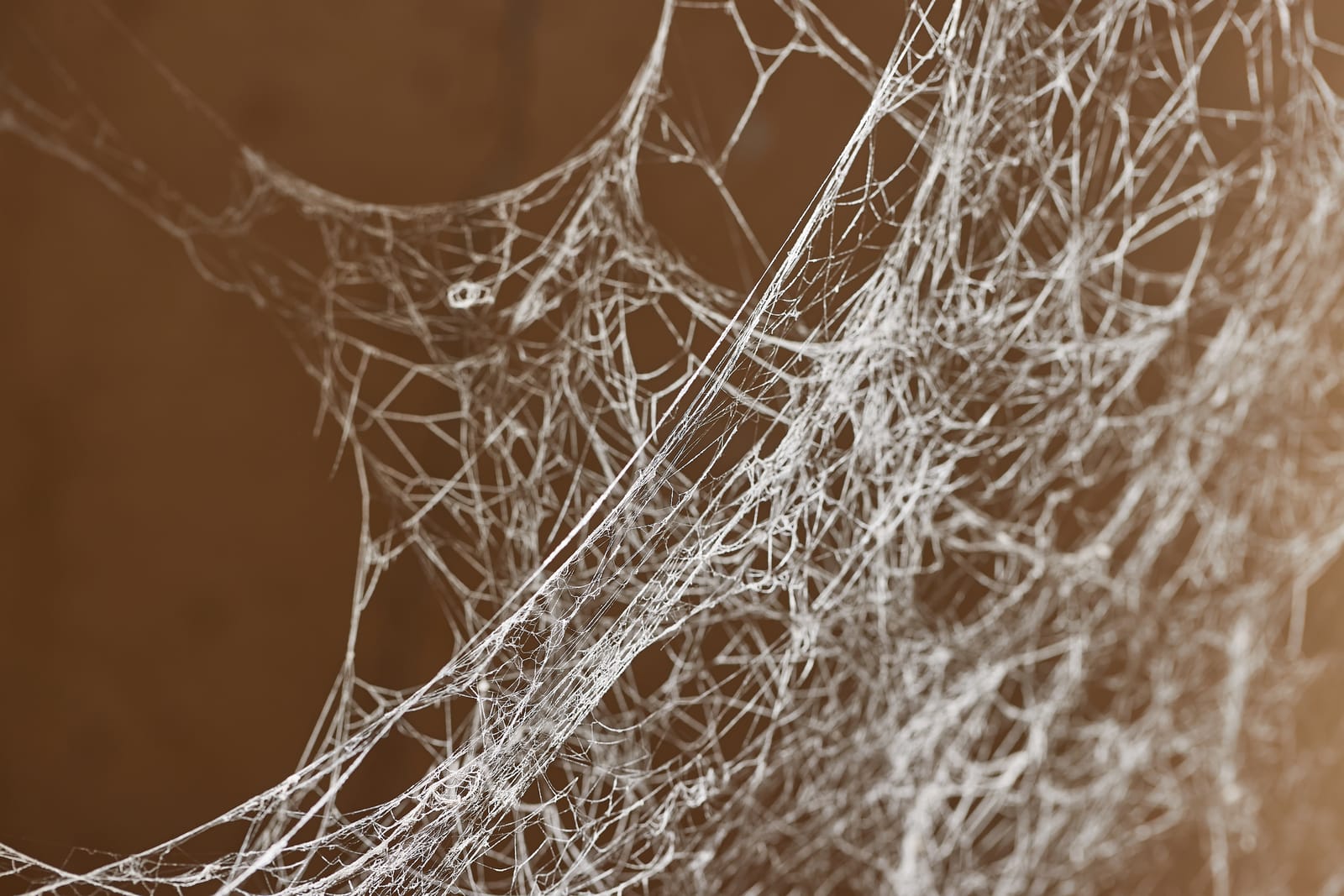
You sweep down one web on Monday. By Friday, three more have taken its place. If this sounds familiar, your home is not unlucky. It’s just offering spiders everything they need to stick around.
Spiders Follow the Food, Not the House
Spiders don’t pick a home because they like the paint color or the porch layout. They pick a spot because bugs are nearby. Every web is a trap built where insects tend to pass through.
Porch lights, window wells, and gutters often become prime real estate for this reason. Bugs gather there first, and spiders simply follow.
Outdoor Lighting Pulls in More Than You Think
Bright porch lights attract moths, beetles, and other flying insects at night. Those insects then draw spiders looking for an easy meal. A single bulb left on all night can turn one corner of your house into a bug buffet.
Switching to yellow bug lights or motion-activated fixtures cuts down on this pull. Insects are less drawn to warmer light tones, which means fewer bugs and fewer webs.
Landscaping Creates Shelter Spiders Love
Thick bushes, tall grass, and dense flower beds give spiders plenty of places to hide during the day. These spots stay cool and shaded, which spiders prefer over open, sunny areas.
Overgrown landscaping near your foundation also creates a bridge between your yard and your house. Spiders move along this cover without ever crossing open ground.
Certain Spots Around Your Home Attract More Webs
Not every corner of a house gets the same amount of spider activity. Some areas consistently draw more webs than others, and knowing why helps you focus your efforts where they count.
A few common hot spots include:
- Eaves and roof overhangs, where webs stay protected from wind and rain
- Window corners, especially near outdoor lighting
- Gutter edges and downspouts, close to insect activity
- Deck railings and stair corners, tucked away from foot traffic
- Shed doors and garage entries, often left undisturbed for days
These spots share one thing in common. They stay quiet, sheltered, and close to a steady food supply. Spiders build where they won’t be bothered and where meals show up on their own.
Seasonal Changes Shift Spider Activity
Spider webs are not a constant, year-round problem. Activity rises and falls with the seasons, and Oklahoma’s weather plays a big role in that shift.
Late summer and early fall tend to bring the most noticeable web activity. Spiders reach full size by this point and spin larger, more visible webs to prepare for mating season. This is also when many homeowners notice a sudden jump in web count, even without any real change in habits.
Cooler months slow things down. Many spiders die off or move indoors to survive the cold, which often means webs shift from porches and eaves to garages, attics, and basements. Understanding this pattern helps you know when to focus extra attention on prevention. Our guide on spider pest control in Oklahoma breaks down these seasonal shifts in more detail.
Practical Ways to Cut Down Spider Webs
Reducing spider activity comes down to removing what attracts them in the first place. A few consistent habits make a real difference over time.
Start with these steps around your property:
- Sweep down webs regularly, since spiders often rebuild in the same undisturbed spot
- Trim bushes and shrubs back from the house to reduce shelter
- Switch outdoor bulbs to yellow or motion-activated lighting
- Seal small gaps around windows, doors, and utility lines
- Keep firewood and clutter away from the foundation
- Reduce mulch depth near entry points, since insects thrive in thick mulch beds
Sweeping webs alone won’t solve the problem long term. Spiders return quickly if the insects they feed on are still nearby. Cutting off the food source matters just as much as clearing the webs themselves.
Reducing Insects Reduces Spiders
Since spiders feed on other bugs, controlling the insect population around your home has a direct effect on spider activity. Fewer moths, gnats, and beetles mean fewer reasons for spiders to build nearby.
Fixing screens, sealing gaps, and keeping trash bins closed all limit the insects drawn to your property. Less food means spiders have less reason to stick around.
When Webs Keep Coming Back
Some homes deal with webs no matter how often they clean and trim. This usually points to a bigger insect problem feeding the cycle, or a structural gap giving spiders easy access indoors.
At that point, treating the yard alone won’t fix things. A broader approach that targets both insects and spider entry points tends to work better. Our page on spider control in Oklahoma covers treatment options built around this kind of recurring activity.
Keeping Spiders From Moving Indoors
Reducing webs outside is only part of the picture. Many homeowners also want to stop spiders from making their way inside during cooler months.
Sealing cracks around foundations, doors, and windows blocks one of the most common entry points. Weatherstripping worn door frames also helps, since gaps there are easy for spiders to slip through. Our guide on how to keep spiders out of the house walks through more steps for indoor prevention.
Staying Ahead of Spider Activity
Spider webs are not random. They follow food, shelter, and light, and Oklahoma’s seasons shape when and where they show up most. Small changes around your property, from lighting to landscaping, can cut down on activity over time.
For more prevention tips and pest identification resources, visit the Nature Guard knowledge hub or explore Nature Guard’s full range of services built for Oklahoma homes.