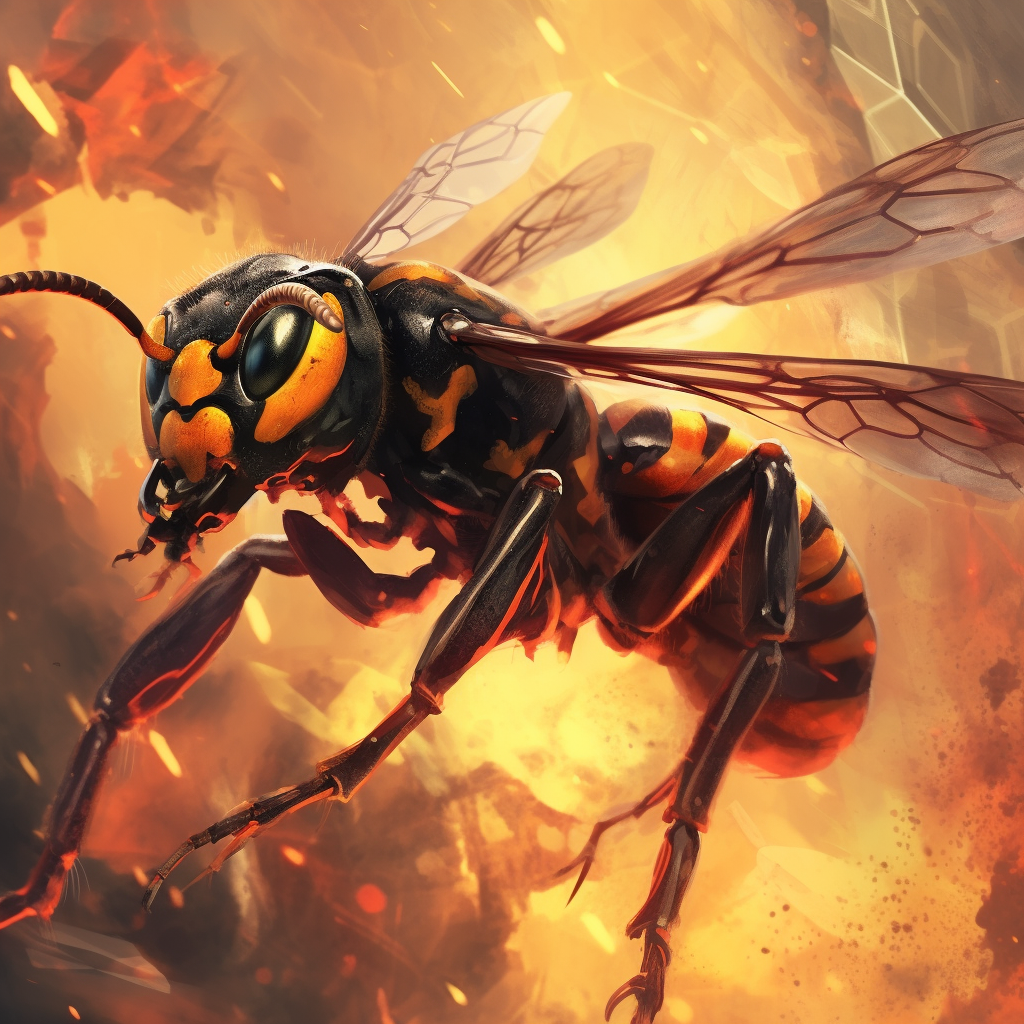


Welcome to our comprehensive guide on how to keep bugs off your plants. As gardening enthusiasts, we understand the frustration that pests can bring to your beloved greenery. For homeowners dealing with persistent outdoor pest issues, professional services like Nature Guard Pest & Lawn can help manage infestations while supporting effective, long-term solutions.
In this article, we will explore natural bug repellents, companion planting techniques, DIY pest control solutions, the use of beneficial insects, and effective insecticides.
Whether you are a beginner or a seasoned gardener, our aim is to provide you with practical and efficient methods to protect your plants and achieve a thriving garden.
Key Takeaways
- Homemade bug sprays made from essential oils and neem oil are effective in repelling insects.
- Companion planting with herbs like basil, mint, and rosemary can help deter pests.
- Using beneficial insects like ladybugs, lacewings, and praying mantises can provide natural pest control.
- The choice between synthetic chemical insecticides and organic insecticides depends on the gardener’s needs and preferences.
Natural Bug Repellents
Utilizing organic ingredients and employing natural methods, one can effectively ward off insects from plants. One popular method is using homemade bug sprays made from essential oils for pest control. These natural bug repellents not only protect plants from pests but also ensure the safety of the environment and individuals who consume the plants.
Essential oils such as peppermint, lavender, and neem oil have proven to be effective in repelling insects without causing harm to the plants or the surrounding ecosystem. Peppermint oil, for example, is known to repel ants, aphids, and spiders. Lavender oil can deter mosquitoes, moths, and fleas. Neem oil acts as a broad-spectrum insecticide, targeting a wide range of pests.
Companion Planting for Pest Control
Implementing companion planting techniques can effectively deter pests and promote healthy plant growth.
One popular method is using herbs for pest control. Certain herbs, such as basil, mint, and rosemary, have natural repellent properties that can help keep pests away from your plants.
For example, planting basil near tomatoes can repel aphids and mosquitoes, while mint can deter ants and fleas. Additionally, rosemary can repel cabbage moths and carrot flies.
Incorporating these herbs into your garden not only provides pest control but also adds fragrance and flavor to your dishes.
Companion planting is an organic gardening technique that reduces the need for chemical pesticides, making it a sustainable and eco-friendly choice for pest control.
DIY Pest Control Solutions
For effective pest control on your plants, consider trying out do-it-yourself solutions using common household items and natural ingredients. Homemade insect traps and organic pest control methods can be effective in keeping bugs off your plants without the use of harmful chemicals.
One simple homemade insect trap is the beer trap, where you bury a container filled with beer in your garden. The scent of the beer attracts pests like slugs and snails, and they will drown in the liquid.
Another effective method is using neem oil, which is derived from the neem tree and acts as a natural insecticide. Mix a few drops of neem oil with water and spray it on the plants, focusing on the affected areas.
These DIY pest control solutions are not only safe for your plants but also environmentally friendly.
Using Beneficial Insects to Combat Bugs
The use of beneficial insects can be an effective method to combat bugs and protect your plants. Incorporating biological control methods into your pest management strategies can help maintain a healthy ecosystem in your garden.
Beneficial insects, such as ladybugs, lacewings, and praying mantises, prey on harmful bugs like aphids, mites, and caterpillars, providing a natural and sustainable solution to pest control. These beneficial insects can be attracted to your garden by providing them with food sources and suitable habitats.
Planting flowers that produce nectar and pollen will attract adult beneficial insects, while providing shelter, such as tall grasses or rock piles, will attract them in their larval stages.
Effective Insecticides for Plant Protection
An effective insecticide can be a valuable tool for protecting plants from harmful bugs and ensuring their health and productivity. When it comes to plant protection, there are two main types of insecticides to consider: synthetic chemical insecticides and organic insecticides.
Synthetic chemical insecticides are typically manufactured using laboratory processes and contain chemicals that are designed to kill or repel insects. These insecticides are often highly effective and provide quick results. However, they may also have negative impacts on the environment and can be harmful to beneficial insects.
On the other hand, organic insecticides are derived from natural sources such as plants, animals, or minerals. They are often considered safer for the environment and beneficial insects, but they may require more frequent applications and may not be as potent as synthetic chemical insecticides.
Ultimately, the choice between synthetic chemical insecticides and organic insecticides depends on the specific needs and preferences of the gardener or plant owner.
Frequently Asked Questions
What Are Some Common Signs or Symptoms That My Plants Have Been Infested by Bugs?
Identifying bug infestations on plants can be done by observing common signs or symptoms such as holes in leaves, wilting, discoloration, or sticky residue. To effectively get rid of bugs on plants, various methods like natural remedies or pesticides can be employed.
How Can I Prevent Bugs From Spreading to My Indoor Plants From My Outdoor Garden?
To prevent bug infestation in indoor plants and avoid spreading them from outdoor gardens, it is important to implement effective pest control measures, such as regular inspection, proper plant care, using natural repellents, and maintaining clean gardening practices.
Are There Any Specific Plants That Are Particularly Vulnerable to Bug Infestations?
Certain plant species are more susceptible to bug infestations due to their inherent characteristics. Factors such as foliage density, nectar production, and natural defenses can make some plants more vulnerable to pests.
Can Bugs on My Plants Negatively Affect the Health of Nearby Plants or Vegetables?
Bugs on plants can have a detrimental effect on nearby plants and vegetables. Infestations can spread quickly, leading to damage and reduced yield. Implementing preventive measures is crucial to maintaining the health of all plants in the vicinity.
How Can I Differentiate Between Beneficial Insects and Harmful Bugs in My Garden?
Identifying beneficial insects in your garden is crucial for maintaining a healthy ecosystem. Understanding the impact of harmful bugs ensures effective pest management. By observing their behavior and consulting with experts, you can differentiate between the two.
Contact Nature Guard Pest & Lawn Today!
Are you tired of unwanted pests in your home or office? It’s time to reclaim your space with Nature Guard Pest & Lawn, your leading pest control provider. Serving the Tulsa area, we provide fast, effective, and environmentally friendly solutions to eliminate pests. Don’t let pests be pests! Contact us today or visit our website to learn more about our services and schedule your appointment.