

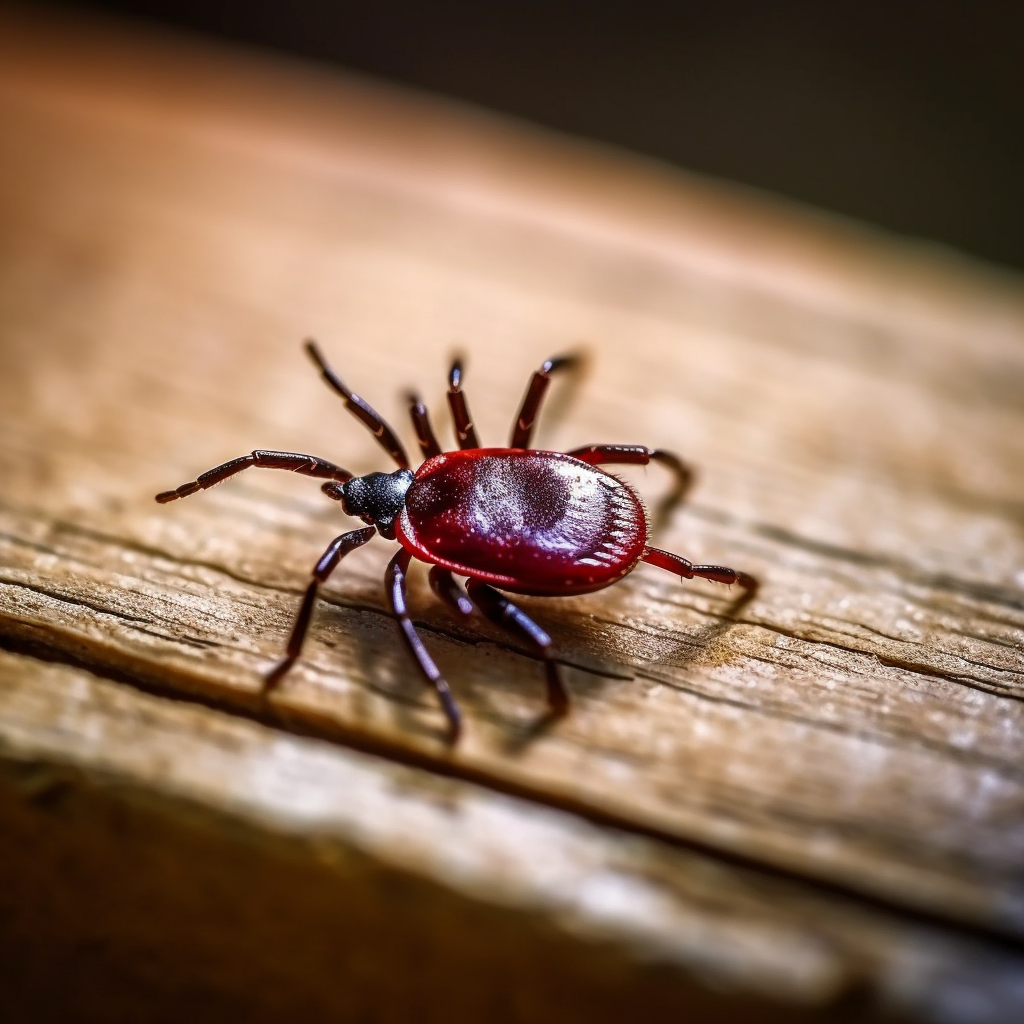
Ticks are a persistent outdoor hazard for Oklahoma families, especially during the warm months when outdoor activity picks up, and tick populations reach their seasonal peak. Oklahoma’s mix of wooded areas, tall grass, and humid conditions supports several tick species that can transmit diseases to both people and pets.
Understanding where ticks live, how to reduce their populations around your property, and how to protect your family during outdoor activity can meaningfully lower your risk of tick exposure.
Common Tick Species Found in Oklahoma
Oklahoma is home to several tick species that homeowners are likely to encounter:
- The American dog tick is one of the most common ticks in Oklahoma and is a known carrier of Rocky Mountain spotted fever and tularemia. It’s most active in spring and early summer and is frequently found in grassy and brushy areas.
- The lone star tick is extremely common throughout Oklahoma. It’s aggressive, actively pursues hosts, and can transmit ehrlichiosis, tularemia, and STARI. The lone star tick is active from early spring through late fall.
- The black-legged tick (deer tick) is present in Oklahoma and is the primary carrier of Lyme disease. It’s most active in cooler months, spring and fall, but remains a concern throughout the year.
- The brown dog tick prefers dogs as hosts and is commonly found in kennels and homes with dogs. It can transmit Rocky Mountain spotted fever to both dogs and people and, unlike most tick species, can complete its entire life cycle indoors.
Where Ticks Live in Your Yard
Ticks don’t jump or fly. They wait for a host to brush past them in a behavior called questing. They climb to the tips of grass blades, low branches, or brush and hold their front legs extended, ready to grab onto a passing animal or person.
High-risk areas in a typical Oklahoma yard include the edges where mowed lawn meets taller grass or wooded areas; unmaintained areas with tall grass or dense vegetation; leaf litter piles, brush piles, and woodpiles near the home; and shaded areas with ground cover where deer, rodents, or other wildlife travel.
Ticks are less commonly found in the middle of a well-maintained lawn, especially in sunny, dry areas.
Prevention Strategies for Oklahoma Homeowners
Reducing tick exposure requires a combination of yard management and personal protective measures.
- Keep grass mowed and vegetation trimmed. Maintaining a short, well-kept lawn significantly reduces tick harborage. Mow regularly and trim back brush along the yard’s perimeter.
- Create a buffer zone. A 3-foot-wide barrier of wood chips or gravel between your lawn and wooded or brushy areas helps reduce tick migration into the yard.
- Manage leaf litter and brush piles. Remove leaf piles, brush, and woodpiles from around the home’s perimeter. These provide an ideal habitat for both ticks and the small mammals that carry them.
- Limit wildlife access. Deer, rodents, and other wildlife bring ticks into residential yards. Address conditions that attract wildlife, including unsecured trash, bird feeders near the home, and overgrown vegetation.
- Use a tick repellent during outdoor activity. EPA-registered repellents containing DEET or picaridin are effective for people. Talk to your veterinarian about tick prevention products for pets.
- Do thorough tick checks after outdoor activity. Check pets and people after time spent in the yard, especially in high-risk areas. Pay close attention to the scalp, behind the ears, under the arms, and behind the knees.
Professional Yard Treatments for Tick Control
For Oklahoma homeowners dealing with consistent tick activity or properties with significant wooded or brushy areas, professional yard treatments provide an additional layer of protection. Targeted perimeter applications reduce tick populations in the areas of your yard where they’re most likely to encounter people and pets.
Treatments applied in early spring, before tick populations peak, and again in late summer or early fall can significantly reduce the number of ticks active around the home throughout the season.
Nature Guard provides professional pest control services for Oklahoma homeowners, including seasonal treatments designed to reduce tick and other pest activity. Visit our knowledge hub for more pest prevention resources, or contact our team to schedule service.
Phone: (918) 994-2755
Hours: Monday-Friday, 9:00 am-5:00 pm