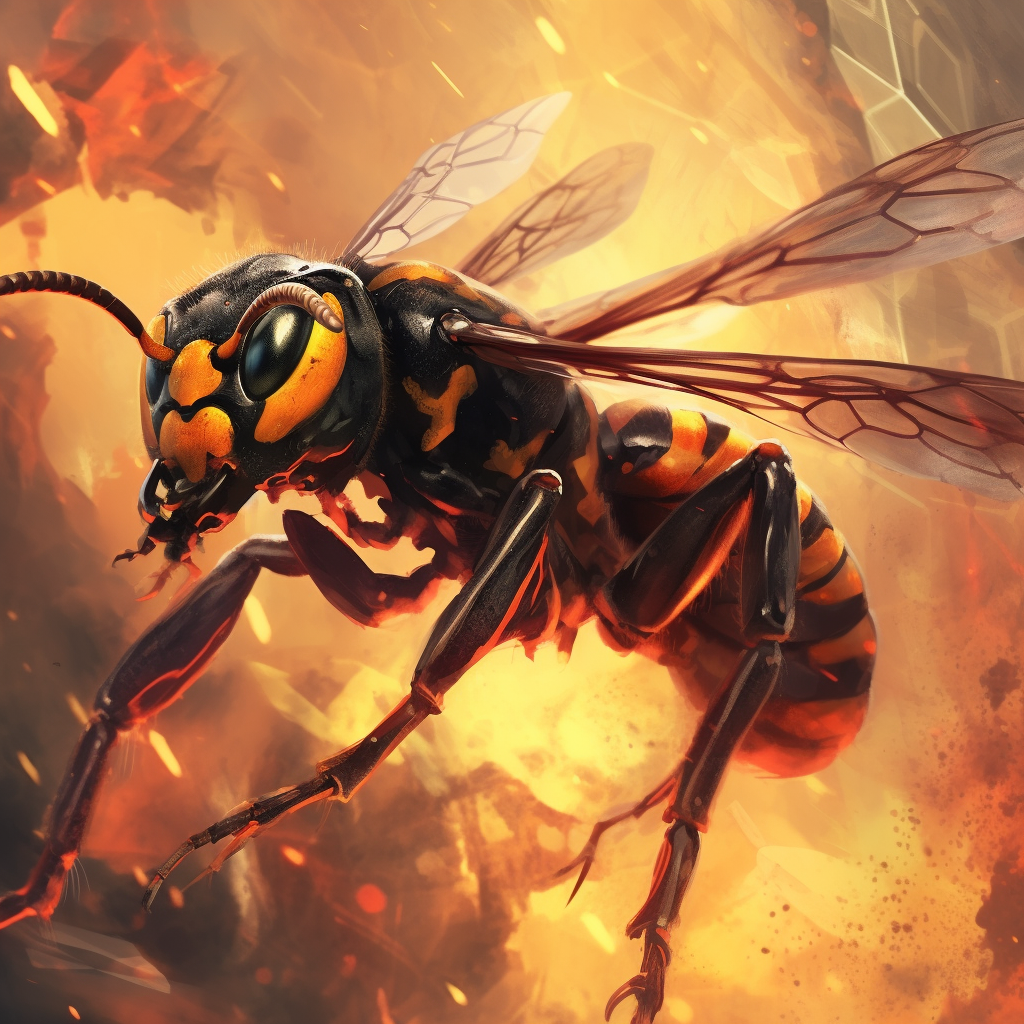


Warm weather brings plenty to enjoy across Oklahoma, but it also brings wasps. As temperatures climb, these stinging insects start building nests around homes, garages, and yards. A small nest in early spring can grow into a large, aggressive colony by late summer.
Knowing how to spot the warning signs early can save you a lot of pain and stress. At Nature Guard Pest Control, we help local homeowners handle wasp problems safely every season. This guide explains what to watch for and how to keep your family protected.
Common Wasp Species in Oklahoma
Oklahoma is home to several types of wasps, and each behaves a little differently. Knowing which one you are dealing with helps you understand the level of risk.
Paper Wasps
Paper wasps are slender with long legs and reddish-brown or dark bodies. They build open, umbrella-shaped nests that hang from eaves, porch ceilings, and door frames. They are not overly aggressive, but they will defend their nest if you get too close.
Yellowjackets
Yellowjackets are among the most aggressive wasps in the state. They have bold black-and-yellow markings and often build hidden nests underground or in wall voids. Because their nests are hard to spot, people often accidentally disturb them.
Mud Daubers
Mud daubers are solitary wasps that build small tube-shaped nests out of mud. They tend to be far less aggressive than paper wasps or yellowjackets. If you want to learn more about their behavior, our guide on whether mud daubers sting in Oklahoma breaks it down.
Where Wasps Build Nests Around Homes
Wasps look for sheltered spots that protect their nests from weather and predators. Around your property, common nesting locations include:
- Eaves, soffits, and roof overhangs
- Porch and patio ceilings
- Door and window frames
- Sheds, garages, and barns
- Trees, shrubs, and dense bushes
- Underground burrows and wall cavities
Wasps are also drawn to food sources. Open trash cans, pet food, sugary drinks, and ripe fruit can all attract them. If you are curious about their diet, our article on what wasps eat offers helpful insight.
Signs a Wasp Nest Is Active
Spotting an active nest early is the key to staying safe. Watch for these signs:
- Steady wasp traffic flying to and from one location
- A visible nest under eaves or in protected corners
- Buzzing sounds coming from the walls or the ground
- Increased wasp activity around food or trash
- Wasps repeatedly entering a small gap or crack
If you notice consistent movement in and out of a single spot, a colony is likely established there.
Why Wasps Get More Aggressive in Summer
Wasps are not very threatening in early spring. The trouble starts as the season progresses. Throughout the summer, colonies grow rapidly, and the number of wasps defending the nest increases.
By late summer and early fall, food sources begin to shrink. Hungry, crowded colonies become far more defensive and irritable. This is when stings most often occur. A nest you barely noticed in May can become a serious hazard by August.
The Dangers of Disturbing a Nest
Trying to knock down or spray a nest without proper equipment is risky. Wasps release alarm signals when threatened, which can trigger the entire colony to attack at once. Unlike bees, wasps can sting multiple times.
People often disturb nests by mowing the lawn, trimming hedges, or cleaning gutters. A sudden swarm in such situations can cause multiple stings before you even reach safety.
Risks for Children, Pets, and Allergy Sufferers
Children and pets face the highest risk. Kids may not recognize a nest until they are too close, and curious pets can stir up underground colonies in seconds. Because wasps sting repeatedly, a single encounter can cause many painful welts.
For people with allergies, the danger is more serious. A sting can trigger swelling, difficulty breathing, or a severe reaction that needs immediate medical care. If anyone in your home is allergic, it is best to avoid the nest entirely and call a professional.
Prevention Tips for Homeowners
While you cannot guarantee a wasp-free yard, a few habits make your property less inviting:
- Seal cracks and gaps around eaves, siding, and utility openings
- Keep trash cans tightly covered
- Clean up fallen fruit and spilled food promptly
- Bring pet food and bowls indoors when not in use
- Inspect eaves, sheds, and play areas regularly in spring
- Remove small, newly started nests early if you can do so safely
Catching a nest when it is small is far easier than dealing with a mature colony. For more seasonal tips, visit our knowledge hub.
When Professional Removal Is the Safest Choice
Some nests are simply too risky to handle alone. You should call a professional for wasp nest removal in Oklahoma if:
- The nest is large or in a hard-to-reach spot
- It sits near a doorway, walkway, or play area
- The nest is hidden underground or inside a wall
- Someone in your home is allergic to stings
- You are unsure which species you are dealing with
Professionals have the protective gear and proven methods to remove nests safely. They can also treat the area to discourage wasps from rebuilding in the same spot.
Stay Ahead of Wasp Season
Wasps are a normal part of Oklahoma summers, but they do not have to put your family at risk. By spotting nests early, taking simple prevention steps, and knowing when to call for help, you can enjoy your yard with peace of mind.
If you have found an active wasp nest and want it gone safely, the team at Nature Guard Pest Control is here to help. Contact us today for professional, dependable wasp nest removal before summer stings begin.