
You spot it while mowing the lawn or checking the gutters. A gray, papery nest tucked under the eaves. Your first instinct might be to grab a can of spray and knock it down yourself. Before you do that, here’s what every Oklahoma homeowner should know about wasp nests and why the safe move is often to just step back.
Where Wasps Build Nests Around Oklahoma Homes
Wasps look for spots that are sheltered, quiet, and hard to reach. Your house probably offers a few of these without you even realizing it.
Common nesting spots include:
- Under roof eaves and overhangs
- Inside porch ceilings and covered patios
- Behind shutters or loose siding
- Inside attic vents or soffit gaps
- Under deck railings and stairs
- Inside old grills, mailboxes, or storage sheds
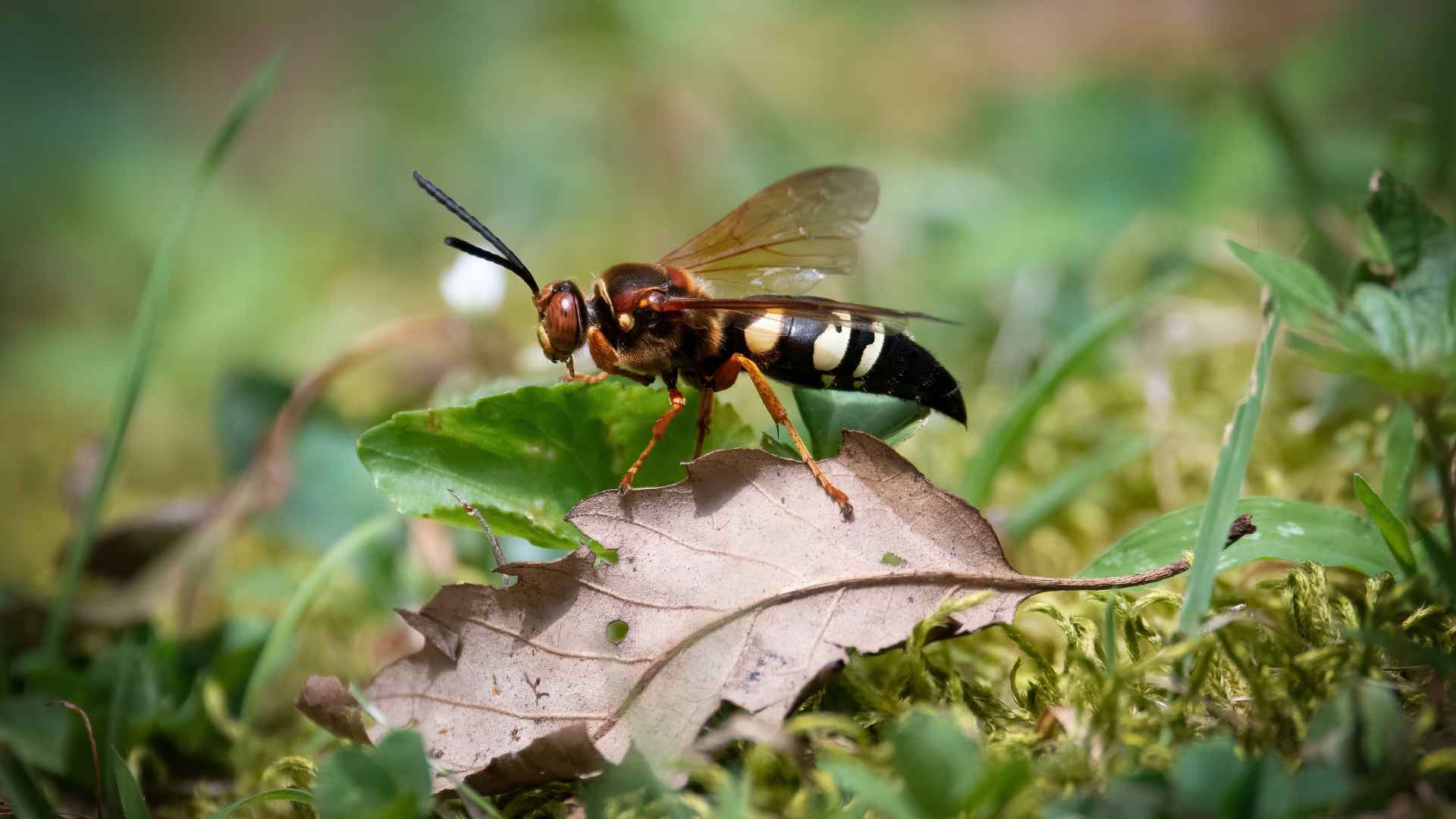
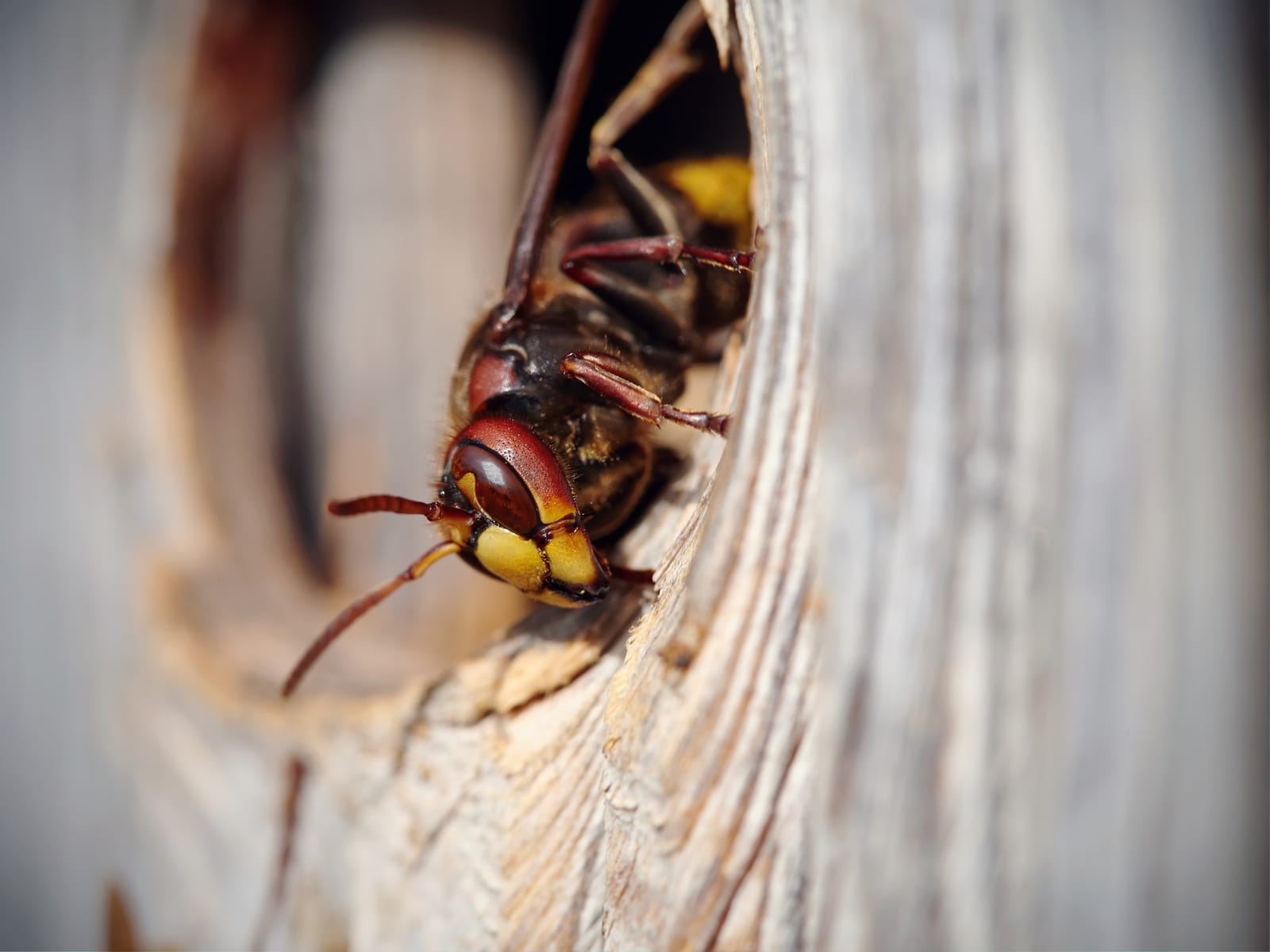
Paper wasps favor open, exposed areas like eaves and porch corners. Yellowjackets often nest underground or inside wall voids, which makes them harder to spot until activity picks up. Mud daubers build small tube-shaped nests out of mud, usually tucked into corners or under overhangs. If you’re not sure what kind of nest you’re looking at, our guide on whether mud daubers sting in Oklahoma breaks down the difference.
Warning Signs You Should Watch For
Nests are not always easy to see right away. Sometimes the first clue is the wasps themselves, not the nest.
Keep an eye out for these signs around your property:
- Wasps flying in and out of one specific spot repeatedly
- A small papery structure forming under an eave or ledge
- Buzzing sounds coming from inside a wall or vent
- Increased wasp activity near outdoor trash cans or food areas
- Chewed wood fibers on porch railings or fence posts
That last one is worth explaining. Wasps chew wood to build their nests, so fresh scrape marks on wood surfaces often mean a nest is close by. Wasps are also drawn to food sources, and knowing what wasps actually eat can help you understand why they keep showing up near your patio table or trash bins.
Why Active Nests Are Dangerous to Remove Yourself
A single wasp sting is annoying. A swarm defending its nest is a different problem entirely.
The Colony Responds as a Group
Wasps do not act alone when their nest is threatened. One disturbed nest can send out dozens of wasps within seconds. Unlike bees, wasps can sting multiple times without dying, which makes an aggressive colony far more dangerous to approach.
Nests Are Often Bigger Than They Look
What you see from the ground is rarely the full picture. Many nests extend further into wall cavities, attic spaces, or underground burrows than homeowners expect. Spraying the visible part often just aggravates the colony without eliminating it.
Allergic Reactions Raise the Stakes
Some people have severe allergic reactions to wasp stings, and there is no way to know who will react badly until it happens. Multiple stings during a DIY removal attempt raise that risk significantly. If someone in your home has a known allergy, this alone is reason enough to avoid handling it yourself.
Timing and Technique Matter
Professional removal isn’t just about spraying more product. It’s about knowing when wasps are least active, which is typically early morning or late evening. Technicians also know how to fully access hidden nests without leaving a colony to rebuild somewhere close by.
What to Do If You Find a Nest
The safest first step is distance. Keep kids, pets, and yourself away from the area while you plan next steps.
A few practical steps to take right away:
- Avoid swatting at wasps near the nest, since this can trigger defensive stings
- Keep windows and doors near the nest closed
- Note the nest location so you can point it out to a professional
- Skip DIY removal, especially for nests in walls or attics
- Call a pest control professional to handle the nest safely
Trying to knock down a nest with a broom or hose almost always backfires. It disturbs the colony without actually removing it, which often leads to more stings, not fewer.
Preventing Future Wasp Nests
Once a nest is gone, the next goal is keeping new ones from showing up. A little upkeep during spring and early summer goes a long way.
Simple prevention habits include:
- Sealing gaps around soffits, vents, and siding
- Repairing or replacing damaged screens on attic vents
- Keeping outdoor trash cans covered and away from entryways
- Trimming back bushes and trees that touch the roofline
- Checking eaves and porch corners regularly during warm months
Wasps often return to the same general area year after year, even after a nest is removed. That’s why sealing up entry points matters just as much as removing the nest itself. Checking your property every few weeks during spring gives you a chance to catch new activity before it turns into a full nest.
When to Call a Professional
Small, early-stage nests with just a few wasps might be manageable with distance and patience, since some wasps will move on if left alone. But once a nest is established and wasps are actively defending it, professional removal is the safer path.
A trained technician can identify the wasp species, locate the full nest, and remove it using methods that reduce risk to your family and pets. This matters even more if the nest is in a hard to reach spot like a wall void or attic space.
For homeowners dealing with wasps alongside other seasonal pests, our guide to pest control in Tulsa, Oklahoma covers what to expect throughout the year.
Keeping Your Home Wasp Free
Finding a wasp nest on your home is unsettling, but it doesn’t have to turn into a bigger problem. Spotting the warning signs early, keeping your distance, and calling in help for active nests keeps everyone safer.
Visit Nature Guard for more pest prevention resources, or check out the knowledge hub for tips on keeping wasps and other pests away from your Oklahoma home.