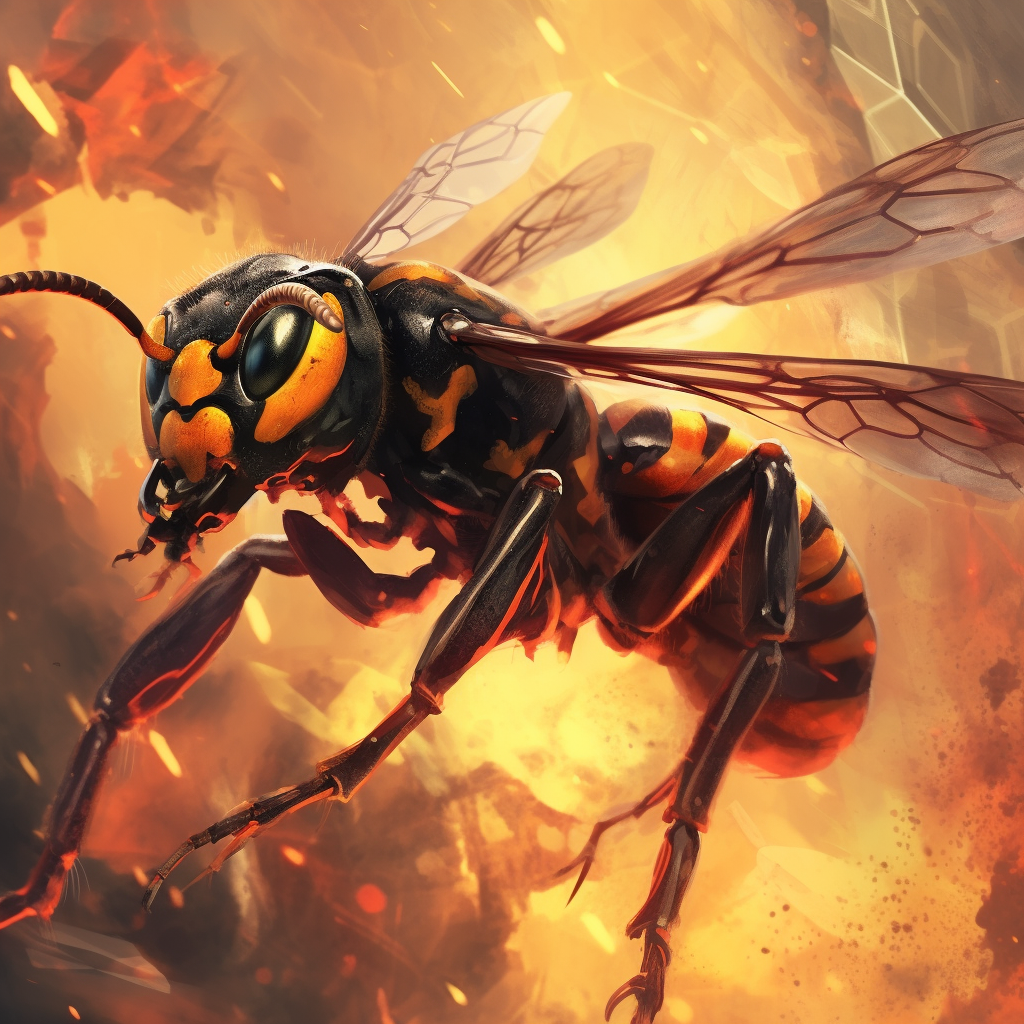


Pests are a common concern in many households and pose a threat to human health, property, and well-being. This article aims to explore the three main pests that frequently trouble households: mosquitoes, rodents, and termites.
By understanding the characteristics and behaviors of these pests, individuals can better equip themselves with knowledge to prevent infestations and mitigate the associated risks.
Mosquitoes, although small in size, are notorious for their ability to transmit dangerous diseases, making them a significant health hazard.
Rodents, such as rats and mice, are uninvited house guests that can cause extensive damage to property and contaminate food sources.
Termites, on the other hand, are silent destroyers of homes, causing structural damage that can be financially devastating for homeowners.
By identifying and addressing these pests promptly, individuals can protect their homes and maintain a safe and healthy living environment.
The subsequent sections of this article will delve into the specific characteristics, behaviors, and prevention strategies for each of these three main pests.
Key Takeaways
- Mosquitoes transmit dangerous diseases like malaria, dengue fever, and Zika virus.
- Rodents pose a threat to health and property as they are known carriers of diseases and cause damage to structures.
- Termites cause extensive damage to homes by feeding on cellulose-based materials like wood.
- Bed bugs are nocturnal pests that feed on human blood and can be difficult to detect and eliminate.
Mosquitoes: The Silent Menace
Mosquitoes, often overlooked but posing a significant threat, have emerged as a silent menace. These tiny insects, carrying deadly mosquito-borne diseases, have become a global concern. Malaria, dengue fever, and Zika virus are just a few examples of the diseases transmitted by mosquitoes.
According to the World Health Organization, mosquito-borne diseases cause millions of deaths worldwide every year. To combat this menace, various mosquito control methods have been employed. These include the use of insecticides, draining stagnant water sources, and implementing preventive measures such as bed nets and repellents.
Additionally, research and development efforts are underway to develop vaccines against mosquito-borne diseases. Public health agencies and organizations are actively engaged in educating communities about the importance of mosquito control and promoting practices that minimize mosquito breeding grounds.
Overall, tackling the mosquito problem requires a comprehensive approach that combines scientific advancements, community involvement, and effective implementation of control strategies.
Rodents: Uninvited House Guests
Rodents, such as mice and rats, can often find their way into our homes, becoming unwelcome visitors. These unwanted rodents pose a threat to both our health and property. They are known carriers of diseases and can cause significant damage to structures and belongings.
Fortunately, there are several effective ways to prevent rodent infestations. Firstly, it is crucial to seal any potential entry points, such as gaps in walls or openings around pipes. Regularly inspecting and repairing damaged screens and vents can also help deter rodents.
Additionally, keeping food stored in secure containers and regularly cleaning up crumbs and spills can minimize the attraction for these pests. Lastly, maintaining a clean and clutter-free environment can reduce hiding places and make it less appealing for rodents to take up residence.
By implementing these preventive measures, homeowners can protect their homes from these uninvited house guests.
Termites: Destroyers of Homes
Termites, known for their destructive nature, can wreak havoc on homes, causing extensive damage to the structure and compromising its stability. These tiny insects feed on cellulose-based materials such as wood, and their ability to remain hidden for long periods makes them particularly dangerous.
Identifying signs of termite infestation is crucial in order to take preventive measures. Some common indicators include hollowed-out wood, mud tubes, discarded wings, and frass, which is termite droppings.
Termite control methods often involve a combination of chemical treatments and physical barriers. Chemical treatments include the use of termiticides that are applied to the soil surrounding the home or directly to infested areas. Physical barriers, such as metal screens and concrete foundations, can also be used to prevent termite intrusion.
Regular inspections by professionals are essential to detect and treat termite infestations in a timely manner.
Bed Bugs: The Nighttime Pests
Bed bugs, nocturnal insects that feed on the blood of humans, can be a persistent nuisance in residential and commercial settings. These tiny pests are adept at hiding in cracks and crevices, making them difficult to detect and eliminate.
Prevention is key in managing bed bug infestations. Regularly inspecting and vacuuming mattresses, furniture, and other potential hiding spots can help prevent the spread of bed bugs. Additionally, sealing cracks and gaps in walls, floors, and furniture can limit their access to new areas.
It is important to be vigilant for signs of bed bug infestation, such as small dark stains on bedding, rusty spots on mattresses, and itchy red welts on the skin. If an infestation is suspected, professional pest control should be sought to ensure effective eradication.
Cockroaches: The Resilient Intruders
Cockroaches, the resilient intruders, are a common household pest that can be a persistent problem in both residential and commercial environments. Cockroach infestations pose a significant threat to public health as these pests are known to carry various pathogens and allergens.
To effectively control cockroach populations, it is crucial to understand their behavior and implement appropriate methods of control. Prevention is key, and it involves maintaining cleanliness and hygiene by regularly removing food and water sources and sealing any potential entry points.
Additionally, chemical control methods, such as insecticides, baits, and traps, can be employed to eliminate existing cockroach populations. However, it is essential to ensure the safety and effectiveness of these control measures by following proper guidelines and seeking professional assistance when necessary.
Overall, combating cockroach infestations requires a comprehensive approach that combines prevention, sanitation, and targeted control methods.
Ants: Tiny but Troublesome
Moving on from the resilient cockroaches, we now turn our attention to another common household pest: ants. Despite their small size, ants can become a major nuisance when they invade our homes. They are attracted to food and water sources, often infiltrating kitchens and pantries in search of sustenance.
To prevent ant infestations, it is crucial to maintain a clean and hygienic environment. Sealing cracks and crevices, especially around windows and doors, can also be effective in keeping ants out. Additionally, there are natural remedies that can help deter ants, such as using vinegar or lemon juice to wipe down surfaces, as ants dislike the strong scent.
Regularly emptying trash bins and promptly fixing any water leaks can further discourage these tiny but troublesome intruders. By implementing these prevention methods and natural remedies, we can successfully minimize the presence of ants in our homes.
Flies: More Than Just Annoying
Flies, commonly found buzzing around our homes, are more than just a nuisance; they can also pose health risks and spread diseases.
The health risks of fly infestations are significant. Flies are known to carry and spread a variety of diseases, including salmonella, E. coli, and cholera. These pests can contaminate our food and surfaces with their saliva, feces, and vomit, leading to potential illness if ingested.
To effectively control fly infestations, it is crucial to implement proper sanitation practices. Regularly cleaning up spills, keeping food covered, and disposing of garbage properly can help minimize fly populations. Additionally, using fly screens on windows and doors, as well as employing traps and baits, can aid in reducing their numbers.
By implementing these effective fly control methods, we can protect ourselves and others from the health risks associated with fly infestations.
Frequently Asked Questions
How can I prevent mosquitoes from breeding in my yard?
To prevent mosquitoes from breeding in your yard, you can take several measures. Remove standing water sources, such as birdbaths and buckets, as they serve as breeding grounds. Additionally, consider using natural mosquito repellents like citronella candles or planting mosquito-repellent plants.
What are the health risks associated with rodent infestations?
The health risks associated with rodent infestations include the spread of diseases such as hantavirus and leptospirosis. Prevention methods involve maintaining cleanliness, sealing entry points, and using traps or professional pest control services.
How do I know if my home is infested with termites?
Signs of a termite infestation include hollow-sounding wood, discarded wings, and mud tubes. To deal with a termite problem, professional pest control services should be contacted to assess and exterminate the infestation.
Can bed bugs be transferred from person to person?
Bed bugs can be transmitted from person to person through direct contact or by infested items. To prevent bed bug infestations, it is important to maintain cleanliness, regularly inspect and clean bedding, and avoid bringing used furniture into the home.
What are the most effective ways to get rid of cockroaches in my home?
Effective cockroach control methods include keeping a clean and clutter-free home, sealing cracks and crevices, using baits and traps, and employing natural cockroach repellents such as diatomaceous earth, essential oils, and boric acid.