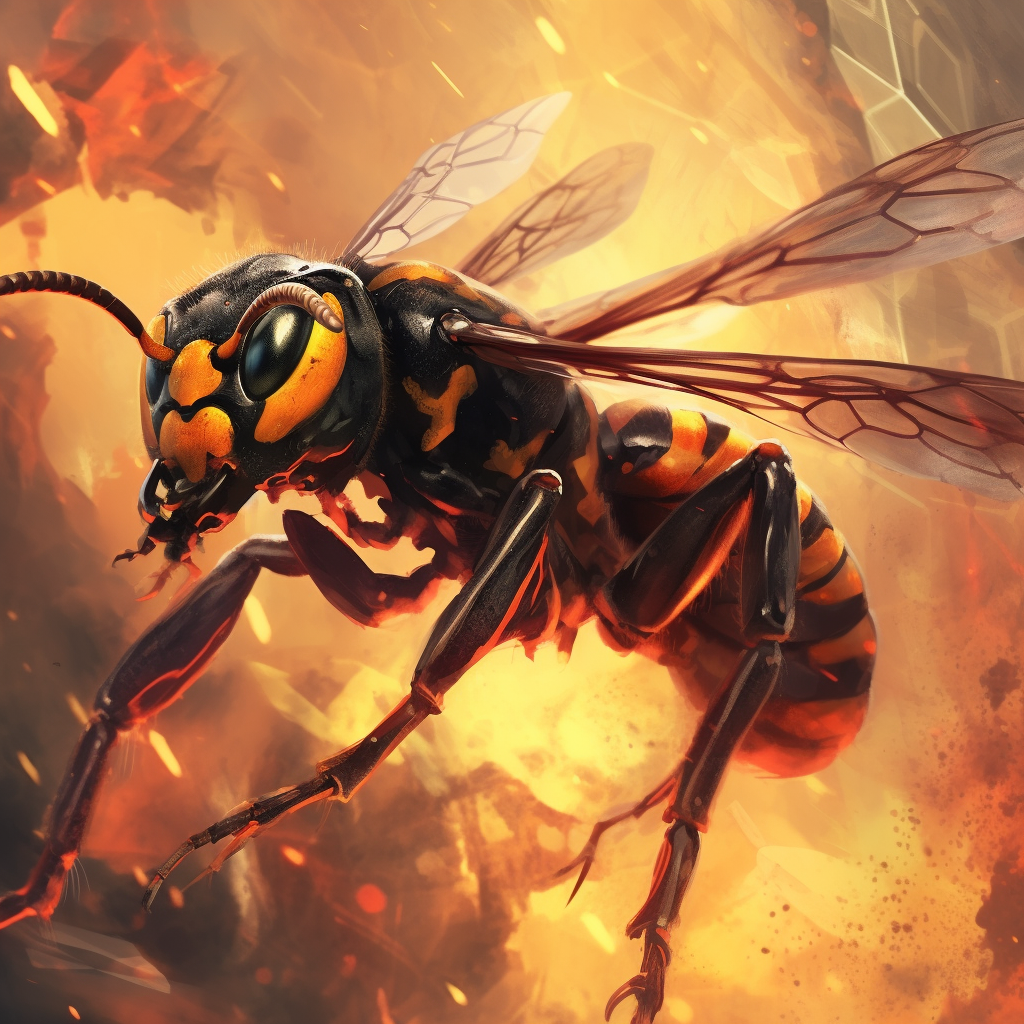


Pest control methods, while effective in addressing pest infestations, can have several potential drawbacks. These negatives include:
-
Harm to non-target species: Some pest control methods may inadvertently harm beneficial organisms such as pollinators, natural predators, and other non-target species. This can disrupt the delicate balance of ecosystems and have unintended consequences for biodiversity.
-
Environmental impact: The use of certain pesticides can have adverse effects on the environment. Chemicals can leach into soil and water sources, potentially contaminating them and causing harm to aquatic life and other organisms.
-
Pesticide resistance development: Frequent and widespread use of certain pesticides can lead to the development of resistance in pest populations. This means that pests become less susceptible to the effects of the pesticide over time, making control efforts less effective.
-
Health risks for humans: Some pesticides may pose health risks to humans, especially if not used properly or if exposure occurs. Prolonged or excessive exposure to certain chemicals can lead to acute or chronic health problems.
-
Disruption of ecosystem balance: Eliminating pests without considering their ecological role can disrupt the balance of ecosystems. Some pests may serve as a food source for other organisms or play a role in nutrient cycling. Removing them entirely can have cascading effects on the ecosystem.
-
Potential damage to property: Some pest control methods, such as the use of chemical pesticides, can cause damage to property if not applied correctly. For example, certain chemicals may stain or corrode surfaces, leading to costly repairs.
-
Cost considerations: Pest control measures can be expensive, especially for large-scale infestations or ongoing maintenance. The cost of purchasing pesticides, hiring professional pest control services, or implementing integrated pest management strategies can be a significant financial burden for individuals or organizations.
Understanding these negatives is essential for making informed decisions about pest management strategies. Policymakers, practitioners, and individuals should consider the potential consequences and limitations of pest control methods to ensure effective and sustainable pest management practices.
Key Takeaways
- Costs of professional pest control services can accumulate over time and ongoing treatments can be expensive.
- Pests can cause potential property damage, affecting property value and requiring costly repairs.
- Alternative methods of pest control, such as integrated pest management, can be more cost-effective and reduce the need for repeated treatments.
- Integrated pest management focuses on prevention and non-chemical techniques, reducing environmental impact and providing long-term effectiveness.
Harm to Non-Target Species
The potential harm to non-target species is a significant drawback of pest control methods. While the primary goal of pest control is to eliminate or reduce populations of pests that pose a threat to human health or agricultural productivity, these methods can sometimes have unintended consequences for non-target species.
Non-target species conservation is a critical concern, as the use of pesticides and other chemical control methods can result in the direct mortality or indirect harm of beneficial organisms. For example, insecticides designed to target specific pests may also impact pollinators, such as bees and butterflies, which play a crucial role in crop production.
Additionally, the use of rodenticides can lead to the secondary poisoning of animals higher up in the food chain, including birds of prey and mammals.
Therefore, it is essential to carefully consider the potential negative impacts on non-target species when implementing pest control strategies.
Environmental Impact
One significant concern with the use of pest management techniques is their potential to cause harm to the environment. The methods employed in pest control, such as the use of chemical pesticides, can lead to habitat destruction and water contamination.
Habitat destruction occurs when pesticides not only target pests but also harm non-target species and their habitats. This can disrupt the delicate balance of ecosystems and lead to a loss of biodiversity.
Additionally, pesticides can contaminate water sources through runoff, which can have detrimental effects on aquatic organisms and overall water quality.
The environmental impact of pest control techniques highlights the need for the development and implementation of more sustainable and eco-friendly alternatives to protect both human health and the environment.
Development of Pesticide Resistance
Another significant challenge in the field of pest management is the development of pesticide resistance, which poses a growing threat to the efficacy of pest control strategies.
Pesticide resistance occurs when pests evolve mechanisms to resist the effects of pesticides, rendering them ineffective over time. This phenomenon is a result of natural selection, where only the pests with genetic traits that allow them to survive exposure to pesticides are able to reproduce and pass on these traits to future generations.
The development of pesticide resistance has serious long-term consequences for pest control efforts. As pests become resistant to commonly used pesticides, it becomes necessary to use higher doses or more toxic chemicals to achieve the desired results. This not only increases the potential for environmental harm but also poses risks to human health and the well-being of non-target organisms.
In addition, the reliance on chemical pesticides is not sustainable in the long run. Therefore, there is a need to explore and promote sustainable alternatives to traditional pesticide use to mitigate the development of pesticide resistance and its associated negative impacts.
Health Risks for Humans
Human exposure to pesticides can have detrimental effects on health, including an increased risk of respiratory problems, neurological disorders, and certain types of cancers. The risks of exposure to pesticides are particularly concerning for individuals who work directly with these chemicals, such as farmers and pesticide applicators.
Long-term effects of pesticide exposure can manifest in various ways. For example, chronic exposure to certain pesticides has been linked to the development of respiratory issues, such as asthma and bronchitis. Additionally, some pesticides have been associated with an increased risk of neurological disorders, including Parkinson’s disease and cognitive impairments. Moreover, studies have suggested a potential connection between pesticide exposure and certain types of cancers, such as leukemia, lymphoma, and prostate cancer.
Consequently, it is crucial to minimize human exposure to pesticides and implement appropriate safety measures to protect individuals from the potential long-term health consequences.
Disruption of Ecosystem Balance
The disruption of ecosystem balance caused by pesticide use can lead to cascading effects on various organisms and their interactions within the environment.
Ecosystem stability is crucial for the proper functioning of ecological communities, as it ensures the balance between different species and their interactions.
When pesticides are used to control pests, they can unintentionally harm non-target organisms, such as beneficial insects, birds, and small mammals.
These organisms play important roles in the ecosystem, including natural predator control.
By reducing the population of natural predators, pests can proliferate, leading to an imbalance in the ecosystem.
Without the control of natural predators, pest populations may increase rapidly, causing damage to crops, forests, and other habitats.
Therefore, the disruption of ecosystem balance due to pesticide use can have negative consequences for the overall health and stability of the environment.
Potential Damage to Property
Potential damage to property can occur as a result of the use of pesticides in the environment. While pest control is necessary for the protection of crops and human health, it can inadvertently lead to negative consequences for property owners.
Pesticides, when applied incorrectly or in excess, can cause harm to buildings, furniture, and other structures. For example, certain pesticides have corrosive properties that can damage the surface of materials such as wood or metal.
Additionally, the residue left behind by pesticides may stain or discolor surfaces, leading to aesthetic damage.
Moreover, property damage due to pest control measures can have significant economic implications. Repairing or replacing damaged property can be costly, and it may also result in financial losses for property owners.
Therefore, it is important for pest control professionals to exercise caution and proper techniques to minimize the risk of property damage.
Cost Considerations
Cost considerations play a crucial role in the decision-making process when it comes to implementing effective pest management strategies.
The economic impact of pest control measures can be a significant concern for individuals and businesses alike. Traditional pest control methods often involve the use of chemical pesticides, which can be expensive to purchase and apply. Additionally, the costs associated with hiring professional pest control services can add up over time, especially for ongoing treatments.
However, it is important to consider the potential damage that pests can cause to property and the potential costs of repairing such damage.
It is also worth noting that there are alternative methods of pest control available, such as integrated pest management, which may be more cost-effective in the long run. These approaches focus on prevention and the use of non-chemical techniques, which can reduce the need for repeated treatments and associated expenses.
Frequently Asked Questions
What are some examples of non-target species that may be harmed by pest control methods?
Non-target species are unintended victims of pest control methods, leading to collateral damage. Examples include bees, butterflies, birds, and small mammals. Their exposure to pesticides can disrupt ecosystems and endanger biodiversity, posing long-term ecological and environmental consequences.
How long does it typically take for pesticide residues to break down in the environment?
The breakdown period of pesticide residues in the environment varies depending on factors such as the type of pesticide and environmental conditions. This process can range from a few days to several years, with potential long-term environmental impacts.
Can the repeated use of pesticides lead to the development of resistance in pests?
The repeated use of pesticides can lead to the development of resistance in pests, which can have negative ecological consequences. This resistance can reduce the effectiveness of pest control strategies and result in increased crop damage and economic losses.
Are there any long-term health risks associated with exposure to pesticides for humans?
Long-term health risks associated with pesticide exposure include increased risk of certain cancers, neurological disorders, reproductive problems, and developmental abnormalities. It is important to prioritize the safety of humans while using pest control methods.
How does pest control disrupt the natural balance of ecosystems and what are the consequences of this disruption?
Pest control disrupts the natural balance of ecosystems by interfering with food chains and causing a decline in biodiversity. This disruption can lead to imbalances in populations, loss of species, and negative ecological consequences.