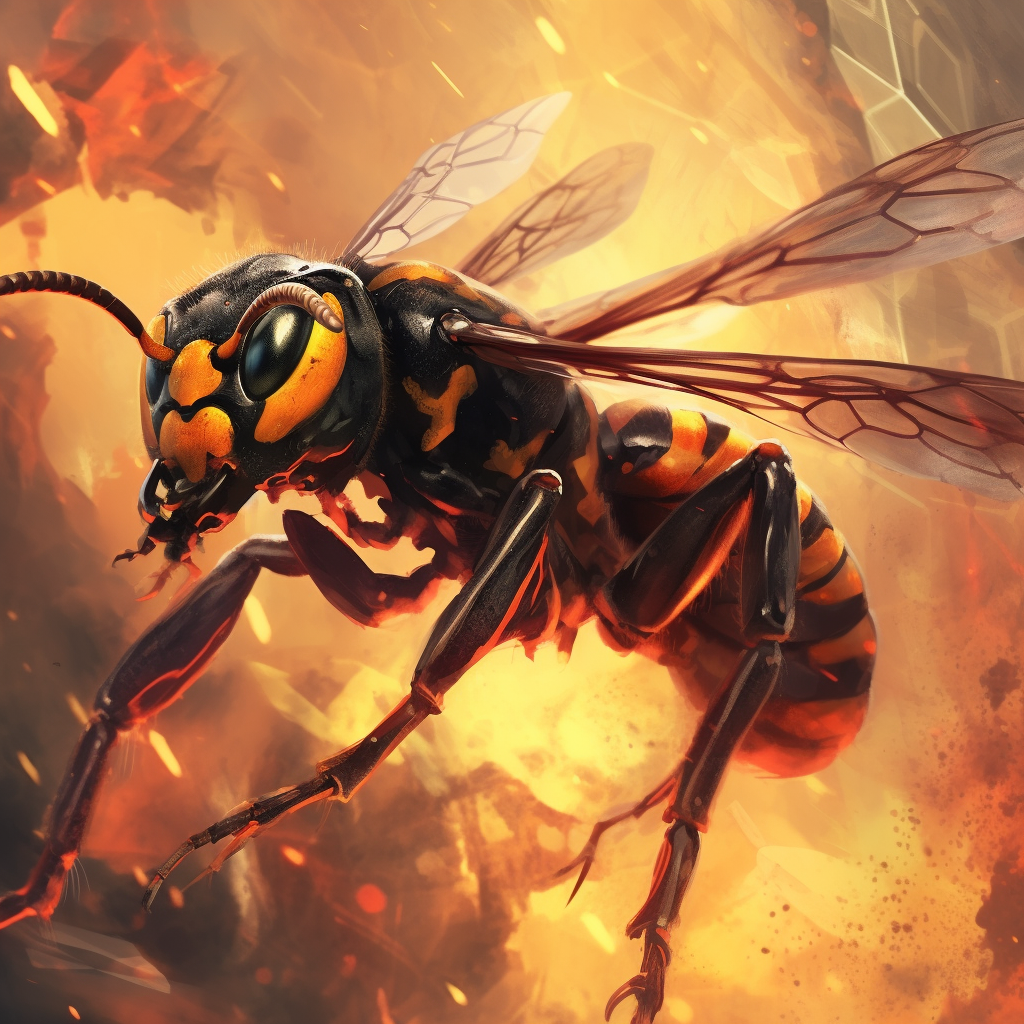


In this article, we will explore the pests that are most active during the nocturnal hours. Understanding the behavior and habits of these nighttime invaders is crucial for homeowners and businesses seeking effective pest management strategies.
From rodents and bed bugs to cockroaches and mosquitoes, we will shed light on the pests that thrive under the cover of darkness. By gaining insight into their nocturnal activities, readers can better protect their properties and ensure a pest-free environment for themselves and their customers.
Key Takeaways
- Rodents, such as mice and rats, are most active at night.
- Bed bugs are most active at night and can cause significant discomfort.
- Around 70 different species of cockroaches are most active at night.
- Mosquitoes are small insects that become a nuisance and potential health risk during the nighttime.
Rodents
Examining the behaviors of rodents can provide valuable insight into understanding their nocturnal activities. For those who desire to serve others by preventing rodent infestations, it is crucial to be aware of the signs of rodent activity in the home.
Prevention methods for rodent infestations are essential to maintain a clean and healthy living environment. Rodents such as mice and rats are known to leave behind telltale signs of their presence. These signs include droppings, gnawed holes, and chewed wires or insulation.
Additionally, if you notice a musty odor or hear scratching noises in the walls at night, it could indicate a rodent infestation. By recognizing these signs, individuals can take prompt action to eliminate rodents and prevent further damage to their homes.
Bed Bugs
Interestingly, bed bugs are most active at night and can cause significant discomfort for those who encounter them. Bed bugs are small, flat, oval-shaped insects that feed on the blood of humans and animals. They are attracted to warm bodies and are often found in beds, mattresses, and furniture.
To prevent bed bug infestations, it is important to practice good hygiene and cleanliness. Regularly inspect and vacuum your home, paying close attention to cracks and crevices where bed bugs may hide. Wash and dry your bedding on high heat to kill any potential bed bugs. Additionally, be cautious when traveling or staying in hotels, as bed bugs can easily hitch a ride on luggage or clothing.
Signs of a bed bug infestation include small red bites on the skin, blood stains on sheets, and dark spots on mattresses or furniture. If you suspect a bed bug infestation, it is advisable to seek professional pest control assistance to effectively eliminate the problem.
Cockroaches
Many people are unaware that not just one or two, but around 70 different species of cockroaches are most active at night. Cockroaches are known for their nocturnal behavior, preferring to hide during the day and come out to forage for food and water under the cover of darkness.
Understanding cockroach behavior is crucial for effective pest control. These resilient insects can quickly infest homes and businesses, posing a health risk to occupants. To prevent cockroaches from taking over, it is important to implement effective cockroach prevention techniques. These include keeping the environment clean and free of food debris, sealing cracks and crevices, and removing any potential water sources.
Mosquitoes
Although mosquitoes are small in size, they can become a significant nuisance and potential health risk due to their increased activity during the nighttime.
Mosquitoes are known to be carriers of various diseases such as malaria, dengue fever, Zika virus, and West Nile virus, which can have a severe impact on public health. These mosquito-borne diseases can cause symptoms ranging from mild discomfort to life-threatening conditions.
In order to prevent mosquito bites at night, there are effective preventive measures that can be taken. These include using mosquito repellents, wearing long-sleeved shirts and pants, and keeping windows and doors closed or screened.
Additionally, eliminating stagnant water sources around homes and using mosquito nets can also help in reducing the risk of mosquito bites and the transmission of diseases.
Termites
Termites are known to thrive and cause extensive damage to structures during the night, making it crucial to address their infestations promptly.
Termite prevention is essential to protect homes and buildings from the destructive capabilities of these pests. To prevent termite infestation, it is important to eliminate any potential food sources, such as wood piles or debris, around the property.
Regular inspections by pest control professionals can also help identify and address any signs of termite activity. Signs of termite infestation may include hollow-sounding wood, discarded wings, mud tubes, or frass (termite droppings).
Prompt action is necessary at the first sign of termites, as their colonies can quickly grow and cause significant damage. By taking preventive measures and staying vigilant for signs of infestation, individuals can protect their structures from the destructive impact of termites.
Bats
Frequently seen darting through the night sky, bats are nocturnal creatures that play a vital role in maintaining ecological balance. Nocturnal behavior is a fascinating aspect of bats’ lives as it enables them to navigate and hunt at night. Bats have adapted to the darkness by using echolocation, emitting sounds that bounce off objects and return as echoes, helping them locate prey and avoid obstacles. This unique ability allows them to fly with precision and catch insects mid-air.
Moreover, bats have a significant ecological importance in controlling insect populations. They are voracious insect eaters and can consume hundreds of insects in a single night. By feeding on pests such as mosquitoes, beetles, and moths, bats help regulate these populations and reduce the need for chemical pesticides. This natural pest control provided by bats is not only beneficial for humans but also contributes to the overall balance of ecosystems.
Understanding and appreciating the nocturnal behavior and ecological importance of bats can help us protect and conserve these remarkable creatures.
Frequently Asked Questions
How Do Rodents Find Their Way Into Homes, and What Can Be Done to Prevent Them From Entering?
Rodents can enter homes through small openings, such as gaps in doors and windows or cracks in walls. To prevent their entry, seal these openings and use rodent-proof materials. Regularly inspect and remove potential food sources.
Are There Any Natural Remedies or Non-Chemical Methods to Effectively Control Bed Bug Infestations?
When it comes to effectively controlling bed bug infestations, there are natural remedies and non-chemical methods available. These options can provide a safer and more environmentally friendly approach to managing bed bugs in homes and other spaces.
Can Cockroaches Transmit Diseases to Humans, and if So, What Are Some Common Diseases Associated With Them?
Cockroaches can transmit diseases to humans, posing health risks. To control infestations, various methods can be employed, including sanitation, sealing entry points, and using cockroach baits or insecticides.
Is There a Specific Time of Year When Mosquitoes Are Most Active, or Do They Remain Active Year-Round?
Mosquitoes are most active during warmer months when their population fluctuates due to favorable breeding conditions. However, in regions with mild climates, mosquitoes may remain active year-round. Climate plays a significant role in determining mosquito activity.
What Are Some Signs of a Termite Infestation That Homeowners Should Be Aware Of, and How Can They Differentiate It From Other Pest Problems?
Signs of a termite infestation include hollow-sounding wood, discarded wings, and mud tubes. Differentiation from other pests can be done by examining the type of damage caused. To prevent rodent entry into homes, sealing gaps and using traps are effective methods.