
You turn off the porch light and step outside, only to hear a wall of chirping loud enough to drown out conversation. Some nights it feels like your whole yard is vibrating with sound. Cricket activity like this is common across Oklahoma, and there are clear reasons why your home might be attracting more than your neighbor’s.
Why Do Crickets Gather Around Some Homes More Than Others?
Crickets are drawn to a few specific conditions, and homes that check multiple boxes tend to see the biggest numbers. Warmth, moisture, and food sources all play a role in how many crickets settle in nearby.
Outdoor lighting is one of the biggest draws. Porch lights, garage lights, and even security lighting attract flying insects at night, and crickets often follow that same activity looking for an easy meal or a mate. Homes with bright lights left on through the evening tend to see far more cricket noise than homes with minimal outdoor lighting.
Landscaping matters too. Thick mulch beds, tall grass, and dense ground cover all create the kind of shaded, moist shelter crickets prefer during the day. Combine that with a bright porch light at night, and you’ve built the perfect setup for a loud cricket population.
What Attracts Crickets to Garages and Businesses?
Garages and commercial buildings often deal with cricket problems just as much as homes, sometimes more. Wide door openings, exterior lighting, and stored cardboard or paper products all pull crickets in.
A few conditions that make garages and businesses especially appealing include:
- Gaps under garage doors that stay open during warm evenings
- Bright exterior lighting near entrances
- Stacks of cardboard boxes that offer shelter and a food source
- Concrete floors that stay cool and slightly damp
Since crickets are drawn to both shelter and light, buildings that combine the two tend to accumulate large numbers fast, especially during peak activity months.
How Do Crickets Get Inside Homes?
Crickets rarely set out to live indoors permanently, but they end up inside more often than people expect. Small gaps around doors, windows, and utility lines give them easy access, especially once outdoor populations grow large.
Once inside, crickets tend to head toward damp, dark areas like basements, crawl spaces, and closets. Bathrooms and laundry rooms are common hiding spots too, since both offer the moisture crickets need to survive. A cricket that wanders in through a gap under the door can end up several rooms away within a day or two.
Do Crickets Cause Any Damage Indoors?
For the most part, crickets are a noise nuisance rather than a destructive pest. They don’t chew through structural wood or wiring the way termites or rodents might.
That said, crickets can cause some minor damage under the right conditions. They’re known to chew on fabric, paper products, and even small amounts of stored clothing if left undisturbed for long periods. This kind of damage is usually minor and limited to a few small holes, but it can add up in homes with an ongoing infestation left unaddressed.
The bigger issue for most homeowners is the noise itself. A large indoor cricket population, especially in a basement or crawl space, can create constant chirping that becomes hard to ignore, particularly at night.
Field Crickets Versus Camel Crickets
Not all crickets found around Oklahoma homes are the same type, and telling them apart helps explain some of the behavior differences homeowners notice.
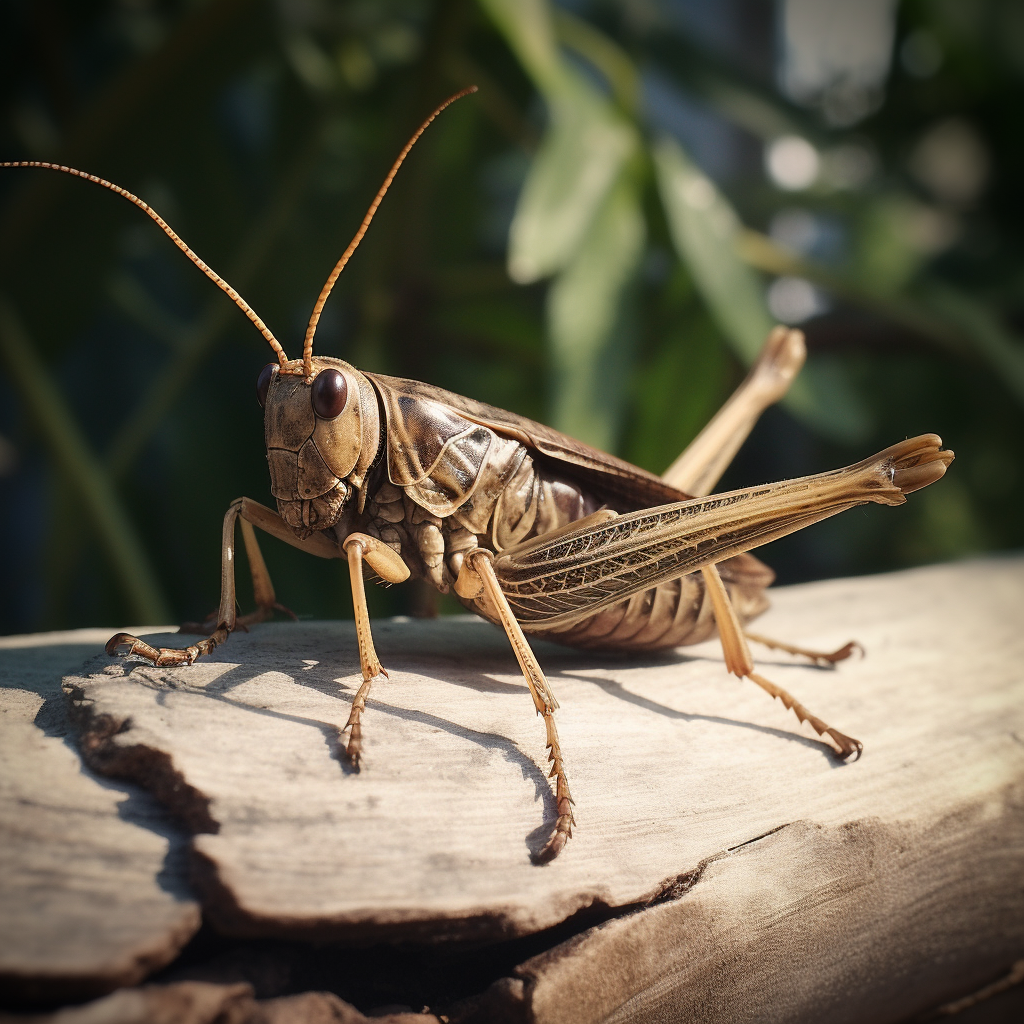
Field crickets are the loud, chirping variety most people associate with warm summer nights. They’re dark brown or black, have long antennae, and are strongly drawn to outdoor lighting. Their chirping comes from rubbing their wings together, which is how males attract mates.
Camel crickets look and behave differently. They have a hunched, humpback appearance, lack the ability to chirp, and prefer dark, damp spaces like basements and crawl spaces over open, lit areas. Since camel crickets don’t make noise, their presence is usually discovered visually rather than by sound.
If you’re dealing specifically with the humpbacked, silent variety, our dedicated guide on camel cricket control in Oklahoma covers treatment options built around their unique habits. For a broader comparison of crickets and other common Oklahoma insects, the Oklahoma pest identification guide can help confirm exactly what you’re seeing.
When Are Crickets Most Active in Oklahoma?
Cricket activity in Oklahoma typically peaks during late summer and early fall, when populations reach their highest numbers and males chirp most frequently to attract mates. Warm, humid evenings tend to bring out the loudest activity, especially in yards with dense landscaping or bright outdoor lighting.
As temperatures cool heading into late fall, cricket activity usually drops off outdoors, which is often when more crickets move indoors seeking warmth. Our resource on seasonal pests in Oklahoma breaks down how cricket activity fits into the broader pattern of pests that shift with the changing seasons.
Practical Ways to Reduce Cricket Activity
Cutting down on cricket noise and indoor sightings comes down to reducing what attracts them in the first place. A few consistent habits make a real difference.
Try these steps around your property:
- Switch outdoor bulbs to yellow or motion-activated lighting
- Trim back mulch, grass, and dense ground cover near the foundation
- Seal gaps around doors, windows, and utility line entry points
- Reduce clutter in garages and storage areas where crickets can hide
- Keep basements and crawl spaces as dry as possible
Lighting changes alone often make a noticeable difference, since crickets rely heavily on light to guide their nighttime activity. Combined with sealing entry points, most homeowners see a real drop in both noise and indoor sightings.
When Cricket Numbers Become Overwhelming
Occasional cricket chirping is a normal part of Oklahoma summers, and most homeowners learn to live with it. But large indoor populations, especially ones that persist despite cleanup and sealing efforts, may point to a bigger attractant nearby that’s worth investigating further.
Addressing lighting, landscaping, and entry points usually resolves the bulk of the problem. For persistent activity that doesn’t improve, a closer look at moisture levels and hidden entry points can help identify what’s keeping the population going.
Keeping Cricket Noise Under Control
Crickets are a normal part of Oklahoma’s outdoor soundtrack, but a sudden spike in noise or indoor sightings usually traces back to lighting, landscaping, or entry points around the home. Small adjustments to these factors go a long way toward restoring some quiet.
For more pest identification tips and prevention resources, visit the Nature Guard knowledge hub or explore Nature Guard’s full range of services built for Oklahoma homes.