
You’re grilling out back when one yellow jacket shows interest in your plate. Then another. Within minutes, you’re waving your arms trying to eat in peace. Yellow jackets have a reputation for a reason, and knowing how to spot them, along with what to do once you find a nest, makes a real difference in staying safe through the warmer months.
What Do Yellow Jackets Look Like?
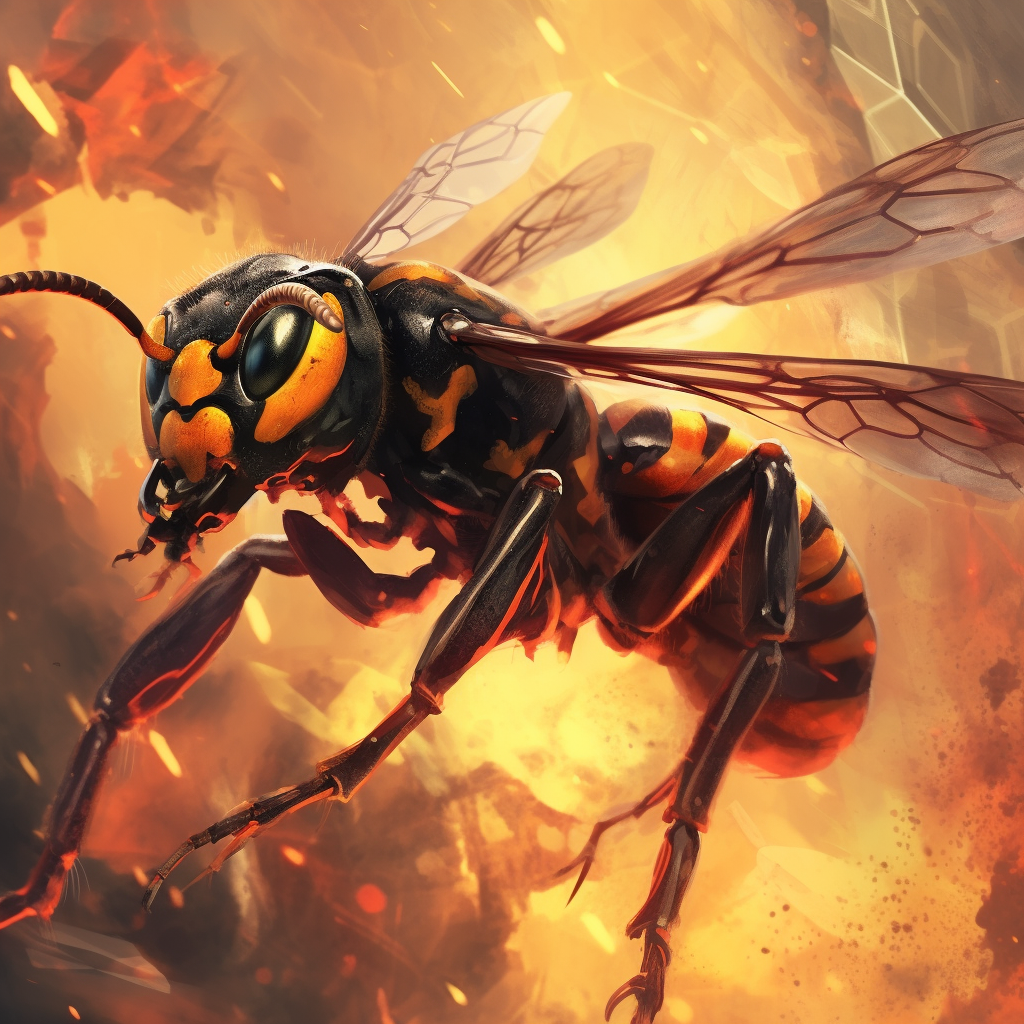
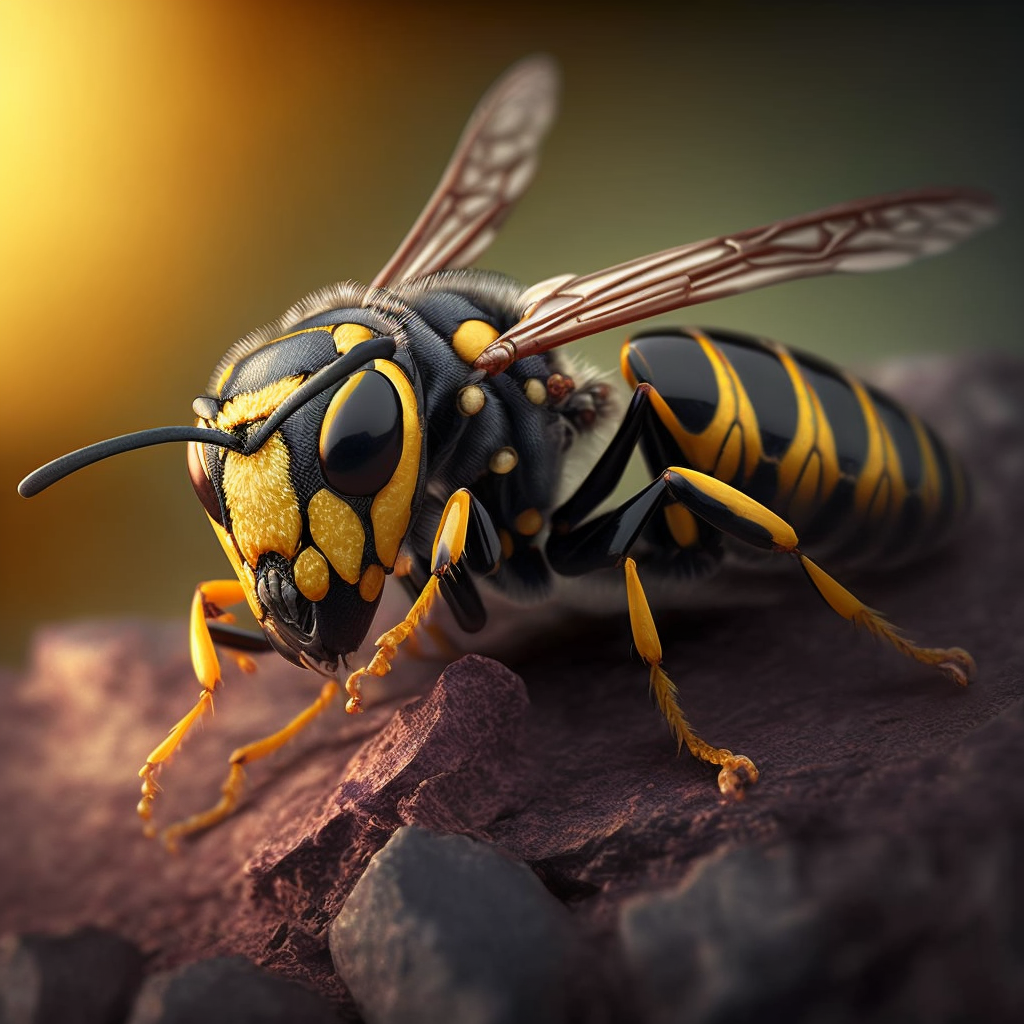
Yellow jackets have bold black and yellow banding across a smooth, shiny body. Unlike some wasps, their coloring is bright and distinct, almost resembling a bee at first glance, though their body shape is much slimmer and more defined.
They measure around half an inch long, with a narrow waist and short legs that stay tucked close to the body during flight. This is one of the easier ways to tell them apart from other stinging insects around Oklahoma homes.
How Are Yellow Jackets Different From Paper Wasps and Mud Daubers?
Confusing yellow jackets with other wasps is common, but a few clear differences make identification easier once you know what to look for.
Paper wasps have longer legs that dangle noticeably during flight, and their bodies tend to look more slender and elongated than a yellow jacket’s compact shape. Paper wasp nests are open, umbrella-shaped structures, usually built under eaves or porch ceilings where you can see individual cells.
Mud daubers look nothing like yellow jackets once you know the difference. They’re typically black or metallic blue, with a distinctly thin, thread-like waist. Mud daubers are solitary and build small tube-shaped nests out of mud rather than the paper material other wasps use. Our guide on whether mud daubers sting in Oklahoma covers their behavior in more detail if you’re trying to rule them out.
Yellow jackets stand apart because of their smooth, banded body and their underground or wall-void nesting habits, which differ from both paper wasps and mud daubers.
Where Do Yellow Jackets Build Nests?
Yellow jackets often nest in places homeowners don’t expect to check. Unlike paper wasps, which build visible nests in the open, yellow jackets frequently choose hidden locations.
Common nesting spots include:
- Underground burrows, often in abandoned rodent holes
- Wall voids and attic spaces
- Under porches, decks, and sheds
- Inside hollow trees or fallen logs near the yard
Ground nests are especially easy to miss until someone accidentally steps too close or runs a lawn mower nearby. Since the entrance often looks like a small hole in the dirt, it’s easy to disturb one without any warning signs beforehand.
Why Are Yellow Jackets So Aggressive?
Yellow jackets have a reputation for being far more defensive than other common wasps, and there’s a real reason behind it. Their colonies can grow into the thousands by late summer, which means far more workers are available to respond when the nest feels threatened.
Unlike some solitary wasps that only sting when directly handled, yellow jackets defend their colony as a group. A disturbed nest can send out a large number of workers within seconds, and unlike bees, they can sting multiple times without dying. This combination of large colony size and repeated stinging ability is what makes yellow jacket encounters especially painful when they go wrong.
Why Does Yellow Jacket Activity Increase in Warmer Months?
Yellow jacket colonies start small in spring, usually with just a single queen building the first few cells of a nest. As the season progresses, worker populations grow rapidly, and by late summer, colonies reach their peak size.
This growth explains why yellow jacket problems tend to feel much worse in August and September compared to earlier in the year. Food sources also shift during this time. Late summer diets often include more sugars, which is why yellow jackets become especially persistent around sodas, fruit, and trash cans at outdoor gatherings. Their diet earlier in the season leans more toward protein, since workers hunt other insects to feed developing larvae. Our guide on what wasps eat breaks down these seasonal diet shifts across different wasp species.
What Should Homeowners Avoid Doing Around a Yellow Jacket Nest?
Once a nest is spotted, the instinct to handle it quickly can actually make things worse. A few common mistakes tend to escalate the situation rather than resolve it.
Avoid these actions if you find an active nest:
- Spraying the visible entrance without addressing the full colony underground or in a wall void
- Covering a ground nest entrance, which often traps workers and increases aggression
- Mowing or working near a suspected nest without confirming its exact location first
- Swatting at individual yellow jackets, which can trigger a defensive response from nearby workers
- Attempting removal at midday, when the colony is most active
Ground nests are particularly tricky since the visible entrance rarely reflects how large or complex the underground tunnel system has become. Treating just the surface opening often fails to reach the queen, which allows the colony to rebuild.
What Is the Sting Risk With Yellow Jackets?
A single yellow jacket sting causes sharp, immediate pain that usually fades within a few hours. The bigger concern comes from multiple stings, which happen more often with yellow jackets than most other wasps due to their large colony size and defensive group response.
Some people experience a more significant allergic reaction to yellow jacket venom, including swelling beyond the sting site, difficulty breathing, or dizziness. Anyone showing these symptoms after a sting should seek medical attention right away, especially if multiple stings occurred during the same encounter.
When Should You Call a Professional for Yellow Jacket Removal?
Small paper wasp nests can sometimes be managed with distance and patience, but yellow jacket nests are a different situation entirely. Given their aggressive defense and often hidden nest locations, professional removal is usually the safer choice.
A trained technician can locate the full nest, whether it’s underground, in a wall void, or tucked into a structure, and apply treatment that reaches the entire colony rather than just the visible entrance. This matters most for nests near high-traffic areas like patios, walkways, or children’s play spaces.
Our guide on wasp nest removal in Oklahoma covers what to expect during a professional treatment visit and how technicians handle nests safely without unnecessary risk to your household.
Staying Safe Around Yellow Jacket Activity
Yellow jackets are one of the more aggressive stinging insects found around Oklahoma homes, especially as colonies grow through the summer months. Learning to identify them, avoiding common mistakes near a nest, and knowing when to call in help keeps your yard safer through peak season.
For more pest identification tips and prevention resources, visit the Nature Guard knowledge hub or explore Nature Guard’s full range of services built for Oklahoma homes.